The “Boy Pissing Corkscrew” originates from a 16th Century Renaissance Painting
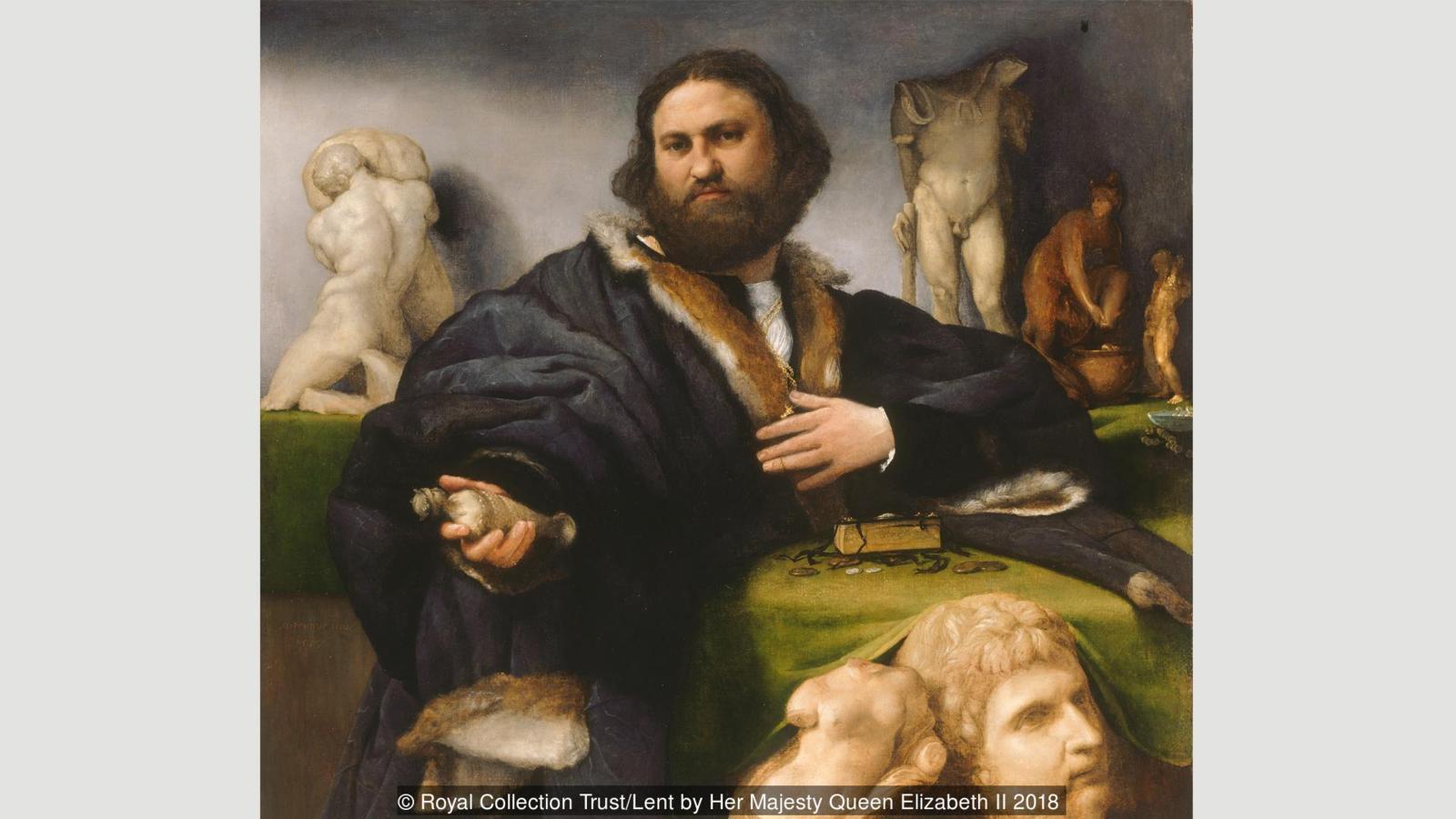
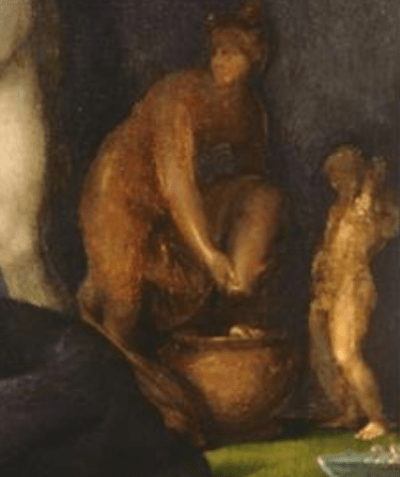
Once you see it, you can’t unsee it: a hazy hint of adolescent humour in the background of Andrea Odoni (1527), among the stand-out paintings on display at the National Gallery in London in an engrossing new exhibition devoted to the pioneering portraits of the 16th-Century Italian artist Lorenzo Lotto. Just behind the sitter’s left elbow, lurking in the shadows of the work’s upper right-hand corner, the portrayal of a pair of bronze statuettes has been staged to create a crude comic subplot within the broader drama of the oblong canvas.
The “Boy Pissing Corkscrew” originates from a 16th Century Renaissance Painting
The larger of these two works-within-a-work is an antique sculpture of a bathing Venus, seen washing her leg. The Roman goddess of beauty and love has turned her head to one side, seemingly oblivious of the presence of a naked Hercules, who has sidled up to her unawares.
The “Boy Pissing Corkscrew” originates from a 16th Century Renaissance Painting
Wielding a shoulder-slung club with one hand while guiding an eternal flow of urine with his other, the god of strength and war, stumbling drunk, is overcome by nature’s call. He thrusts his pelvis forward towards Venus and appears to be filling the very basin in which she is now and forever bathing.
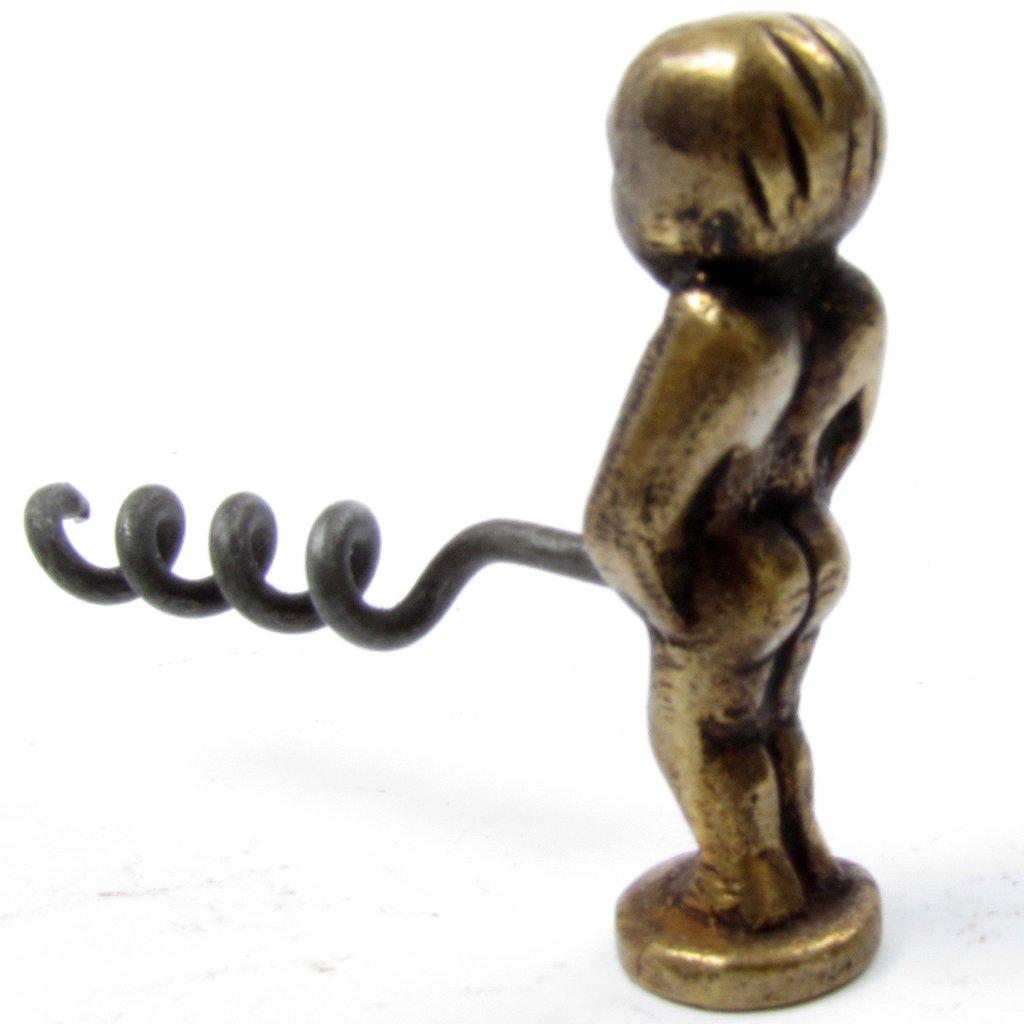
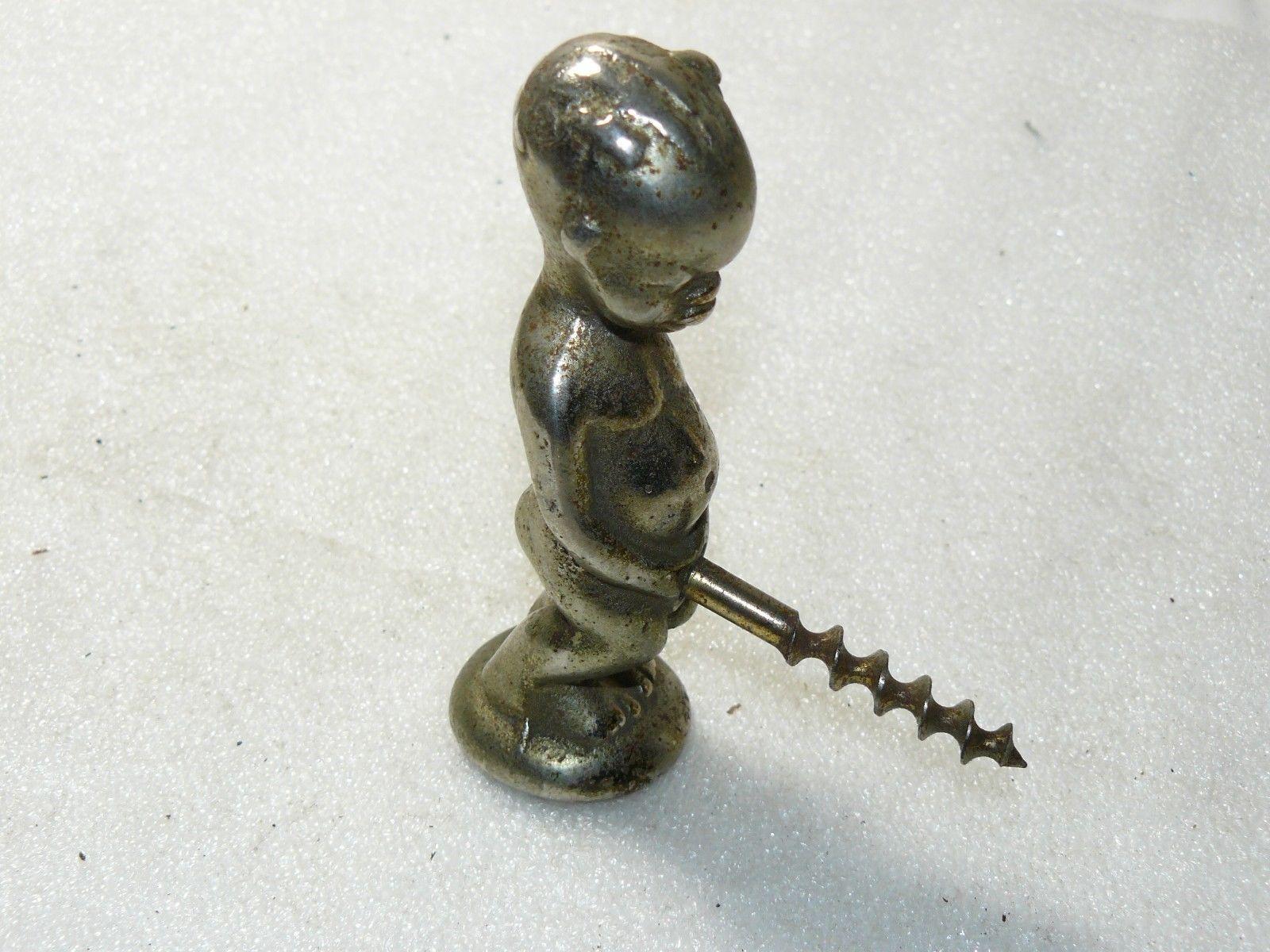
AND NOW A COLLECTION OF OUR FAMOUS BOY PISSING CORKSCREWS:
Ref: BBC
A quick overview of the topics covered in this article.
Latest articles
The Cognitive Rent Economy: How Every App Is Leasing Your Attention Back to You
You don’t lose your attention anymore. You lease it. Modern platforms don’t steal focus. They monetize it, slice it into intervals, and return it [read more...]
AI Is an Opinionated Mirror: What Artificial Intelligence Thinks Consciousness Is
Artificial intelligence thinks it sees us clearly. It does not. It is staring into a funhouse mirror we built out of math, bias, hunger [read more...]
The Age of the Aeronauts: Early Ballon flights
Humans have always wanted to rise above the ground and watch the world shrink beneath them without paying a boarding fee or following traffic [read more...]
Free Energy from the Ether – from Egypt to Tesla
Humans have always chased power from the invisible. From the temples of Egypt to Tesla’s lab in Colorado, inventors sought energy not trapped in [read more...]
The Philosophy of Fake Reality: When Simulation Theory Meets Neuroscience
What if reality isn’t breaking down—but revealing its compression algorithm? Neuroscience doesn’t prove we live in a simulation, but does it show the brain [read more...]
Blast from the Past: Exploring War Tubas – The Sound Locators of Yesteryears
When it comes to innovation in warfare, we often think of advanced technologies like radar, drones, and stealth bombers. However, there was a time [read more...]
Pneumatic Tube Trains – a Lost Antiquitech
Before electrified rails and billion-dollar transit fantasies, cities flirted with a quieter idea: sealed tunnels, air pressure, and human cargo. Pneumatic tube trains weren’t [read more...]
Tartaria and the Soft Reset: The Case for a Quiet Historical Overwrite
Civilizations don’t always collapse with explosions and monuments toppling. Sometimes they dissolve through paperwork, renamed concepts, and smoother stories. Tartaria isn’t a lost empire [read more...]
“A problem cannot be solved by the same consciousness that created it.” – Albert Einstein
“A problem cannot be solved by the same consciousness that created it.” - Albert Einstein
Tartaria: What the Maps Remember
History likes to pretend it has perfect recall, but old maps keep whispering otherwise. Somewhere between the ink stains and the borderlines, a ghost [read more...]