Tartaria and the Soft Reset: The Case for a Quiet Historical Overwrite
Civilizations don’t always collapse with explosions and monuments toppling. Sometimes they dissolve through paperwork, renamed concepts, and smoother stories. Tartaria isn’t a lost empire claim—it’s a pressure test for how modern history handles inconvenient gaps.
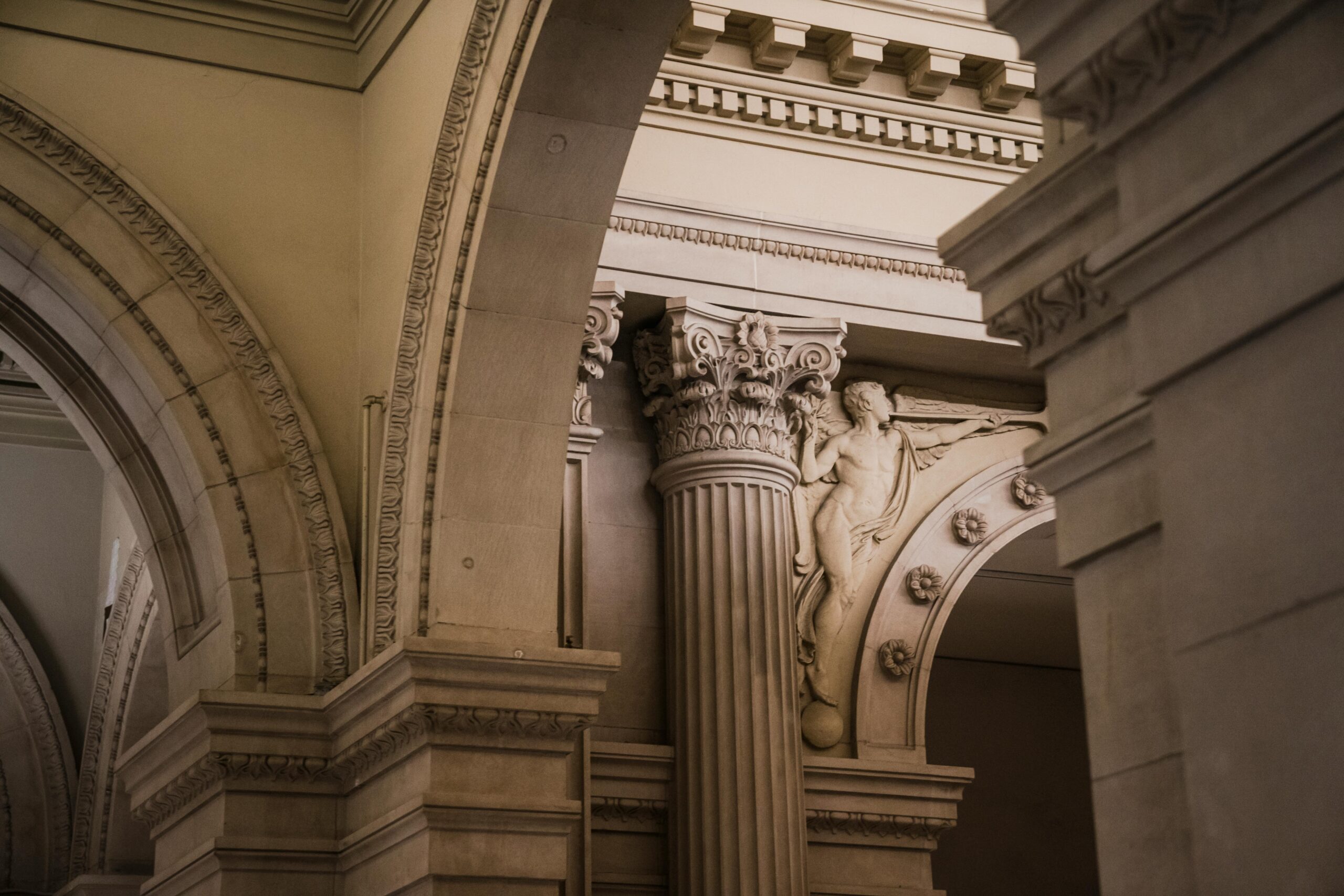
Ornate civic architecture predating modern records
Infrastructure Without Memory
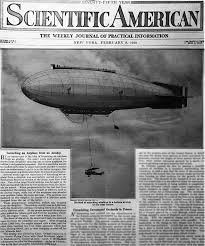
Across the 19th century, infrastructure appears that feels oddly out of phase with its surroundings. Buildings rise fully articulated—ornate stonework, advanced symmetry, cavernous interiors—yet the archival trail is thin or nonexistent. No detailed blueprints. No named architects. Just the word “founded,” a term that quietly implies discovery rather than construction. Official history treats this as coincidence. Neurodope treats coincidence as a smell, not an explanation.
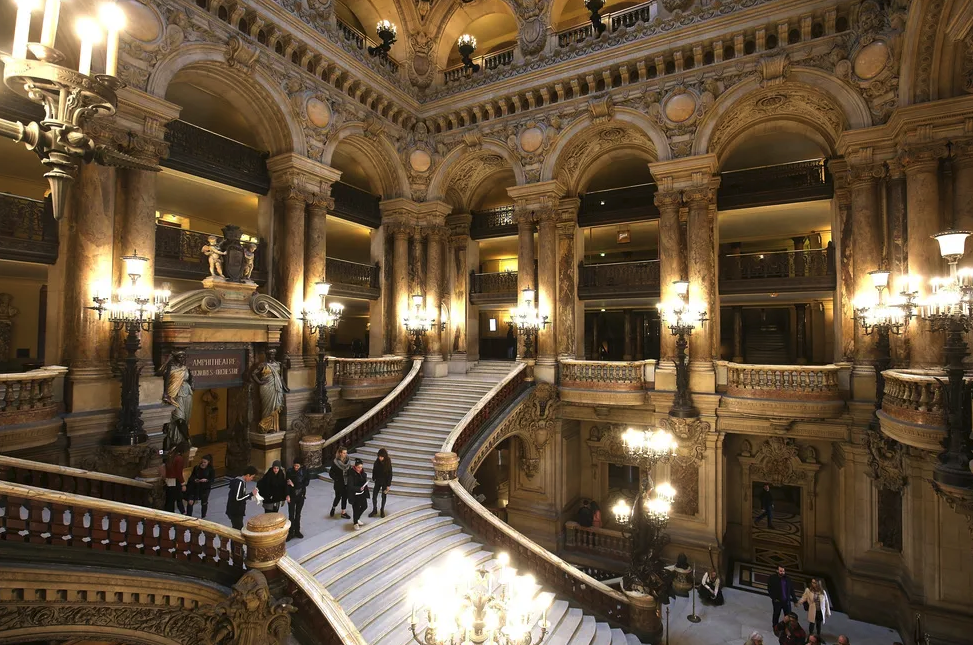
Ornate civic architecture predating modern records
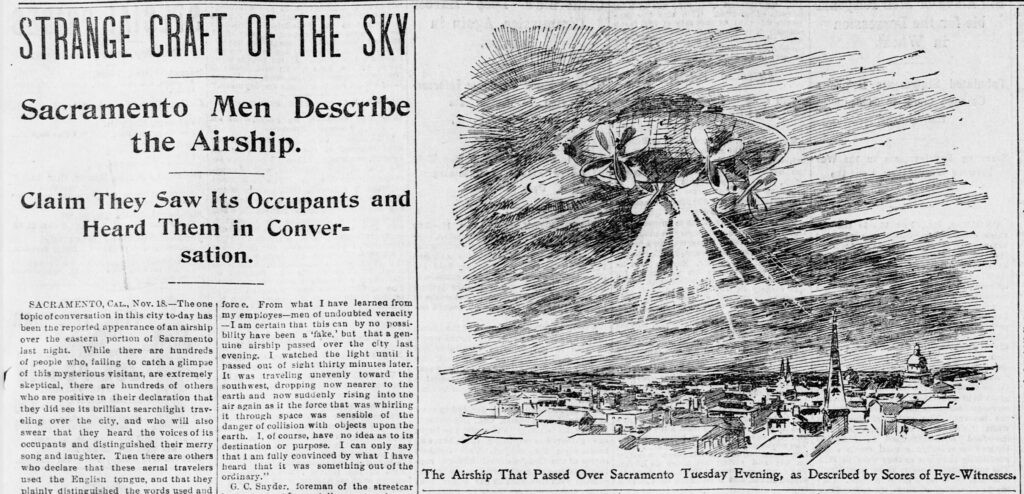
Transportation systems deepen the puzzle. Pneumatic tubes moved mail, goods, and occasionally people beneath cities still struggling with sewage. Early subway concepts appear before reliable electrical grids. And then there are the airships—globally reported, casually described, geographically inconsistent, and then abruptly dropped from curiosity. Were they hoaxes? Possibly. Were they experiments that failed? Also possible. But failure usually leaves records. The anomaly isn’t that these systems existed—it’s that no one seems responsible for them.
When infrastructure survives but memory doesn’t, history starts lying by omission. #Tartaria #LostInfrastructure #HiddenHistory share this
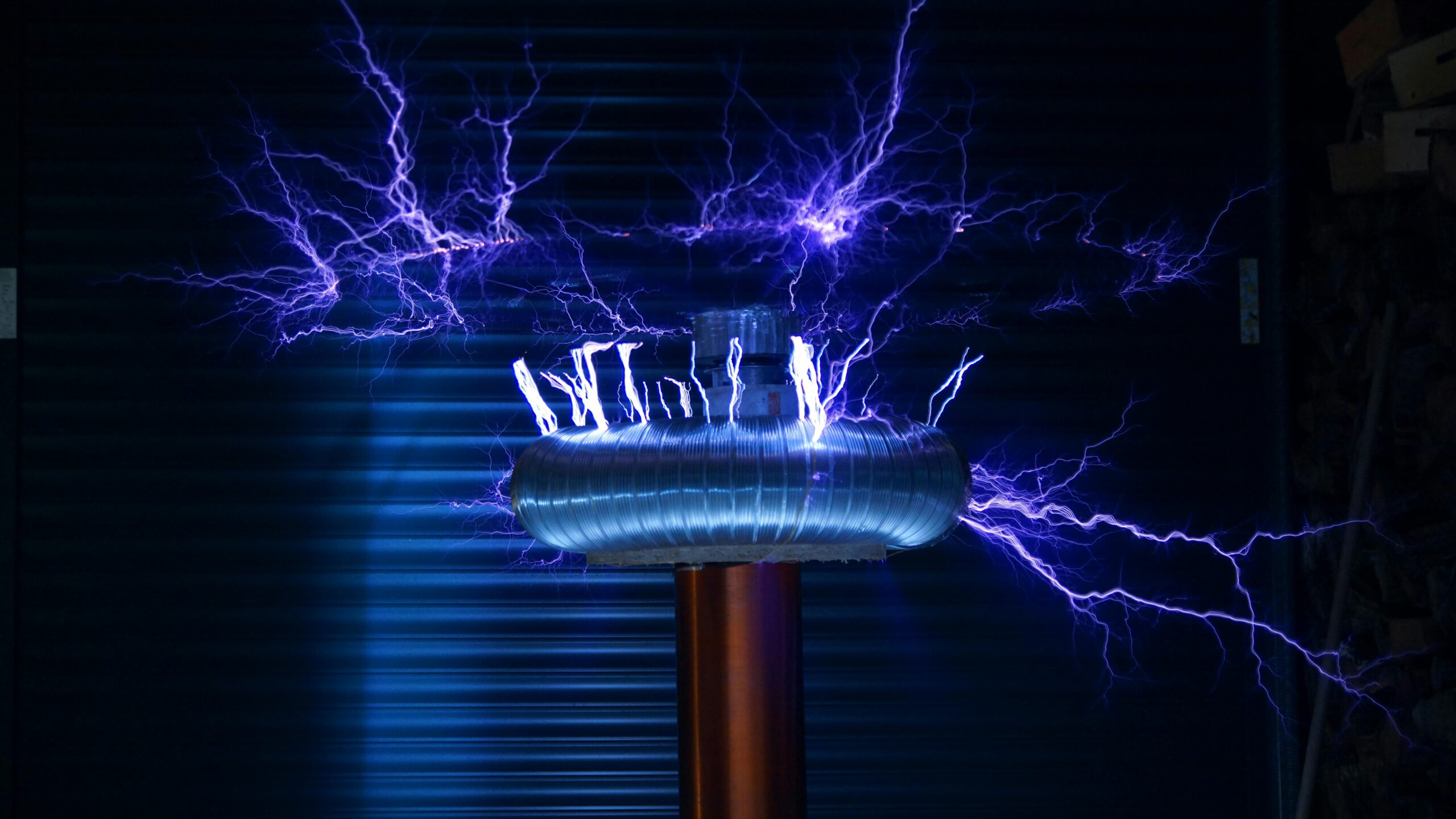
Early electrical and aether theory diagrams
Energy, Aether, and the Roads Not Taken
The late 1800s weren’t scientifically settled—they were ideologically chaotic. Electricity was not “the answer” yet; it was one option among many. Aether theories dominated physics as placeholders for forces that didn’t fit mechanical models. This wasn’t fringe mysticism—it was the scientific mainstream grappling with invisible phenomena using the best language available at the time.
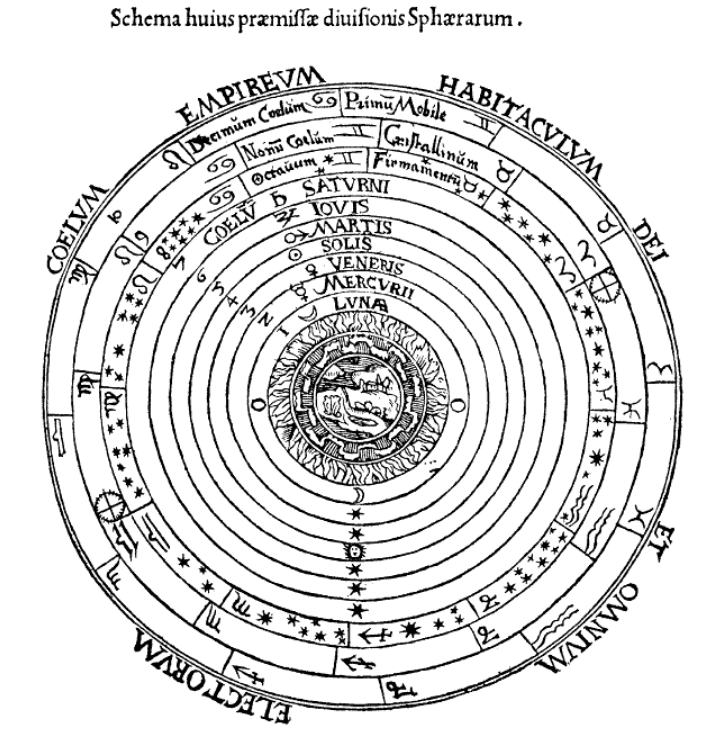
Early electrical and aether diagrams
Modern “free energy” rhetoric deserves skepticism, but rejecting it wholesale ignores a structural reality: once energy becomes centralized, metered, and monetized, competing models stop receiving oxygen. This doesn’t mean aether energy worked. It means it wasn’t economically convenient to keep asking. History remembers Edison because his systems scaled profitably. It forgets roads that didn’t lead to billing infrastructure. Progress didn’t just discover electricity—it curated it.
Progress isn’t always discovery—it’s often selective forgetting. #EnergyHistory #AetherTheory #ScienceAndPower share this
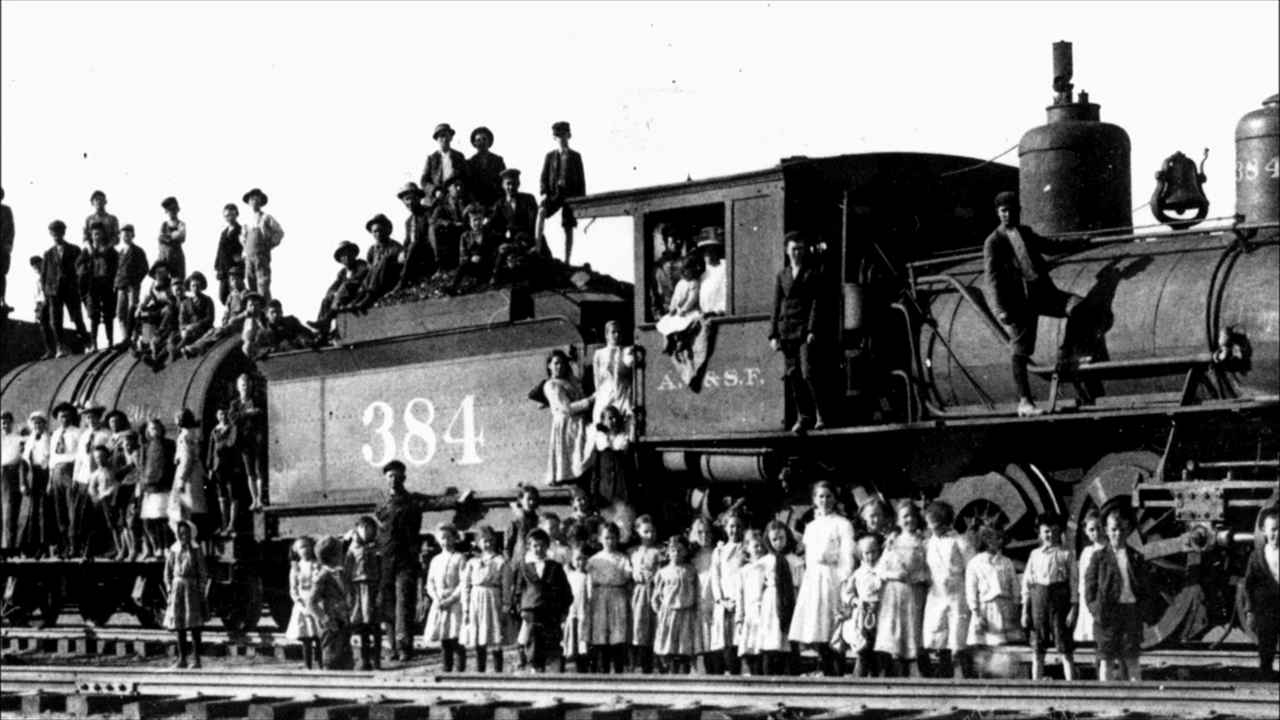
Children boarding an orphan train westward
Fires, Orphans, and Managed Amnesia
The great fires of major cities are typically framed as tragic accidents. And many likely were. But their secondary effect is rarely examined: total narrative reset. Old districts erased. Records destroyed. Ownership reorganized. Rebuilding framed as modernization rather than recovery. Fire doesn’t just cleanse space—it cleanses questions. When every city burns once, historians stop asking why.
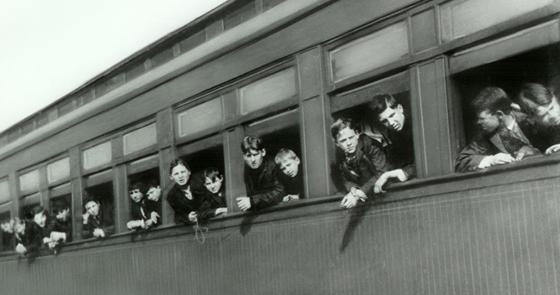
Then there are the orphan trains. Hundreds of thousands of children redistributed across the country, often with minimal documentation, reframed as humanitarian outreach. But mass population relocation is usually a response to destabilization. Epidemics, displacement, famine, or social collapse leave demographic holes. If the 19th century was a clean arc of progress, why the need for such quiet, large-scale redistribution? Charity may explain the action. It doesn’t fully explain the scale.
You don’t reorganize a population unless something disrupted it first. #OrphanTrains #GreatFires #HistoricalTrauma share this
The Soft Reset Hypothesis
This is where Tartaria stops being a map and becomes a model. A soft reset doesn’t announce itself. It unfolds through overlapping crises—fires, wars, pandemics, industrial realignment—followed by administrative cleanup. Old systems aren’t destroyed; they’re absorbed. Language is simplified. Timelines are compressed. Complexity becomes folklore.
This doesn’t require villains in dark rooms. Bureaucracies naturally smooth narratives. Nation-states prefer origin stories that feel inevitable. Education systems reward memorization over interrogation. The resistance to reset theories may not come from fear of exposure, but from fear of instability. If history can be overwritten once, it can be overwritten again. Tartaria may not have been an empire—but the evidence suggests we’ve already walked through at least one historical overwrite wearing modern clothes.
The most dangerous idea isn’t that history is fake—it’s that it’s incomplete by design. #SoftReset #HistoricalOverwrite #Neurodope share this
Resets Are a Feature, Not a Bug
Human history doesn’t move in a straight line. It stutters. It sheds skin. It forgets itself and calls it progress. Long before Tartaria entered internet folklore, civilizations were already demonstrating a reliable pattern: collapse, compression, and selective remembrance.
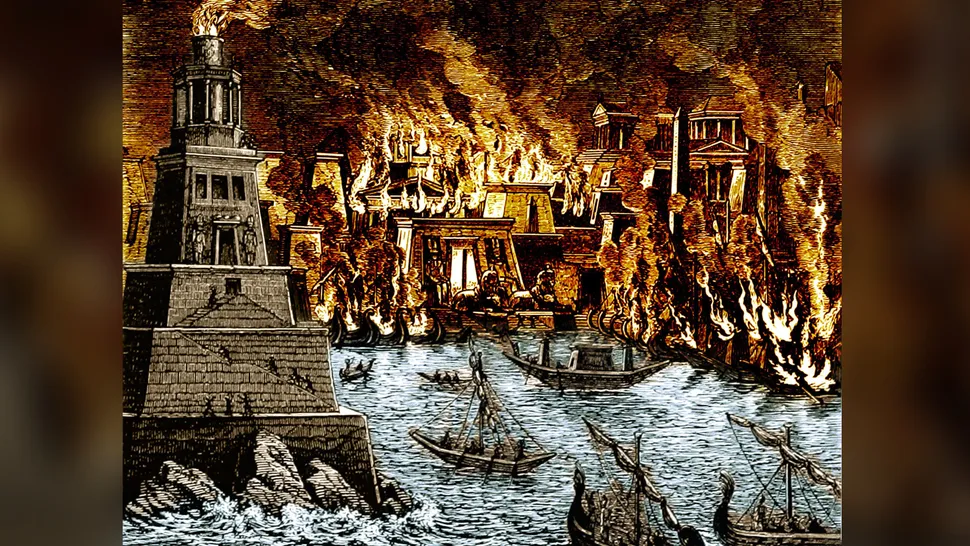
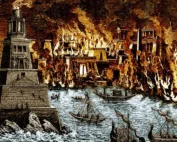
The Library of Alexandria didn’t just burn once—it declined through multiple events, political shifts, and ideological purges. What mattered wasn’t the fire, but the aftermath: lost texts reframed as myth, surviving fragments reattributed, and a civilization taught to move forward without looking back. Knowledge didn’t vanish overnight. It thinned.
Rome followed a similar arc. Infrastructure outlived governance. Roads, aqueducts, and buildings persisted while the institutional memory of how to maintain them fractured. Medieval populations lived inside systems they couldn’t fully reproduce, explaining remnants as relics of greatness rather than inherited tools.
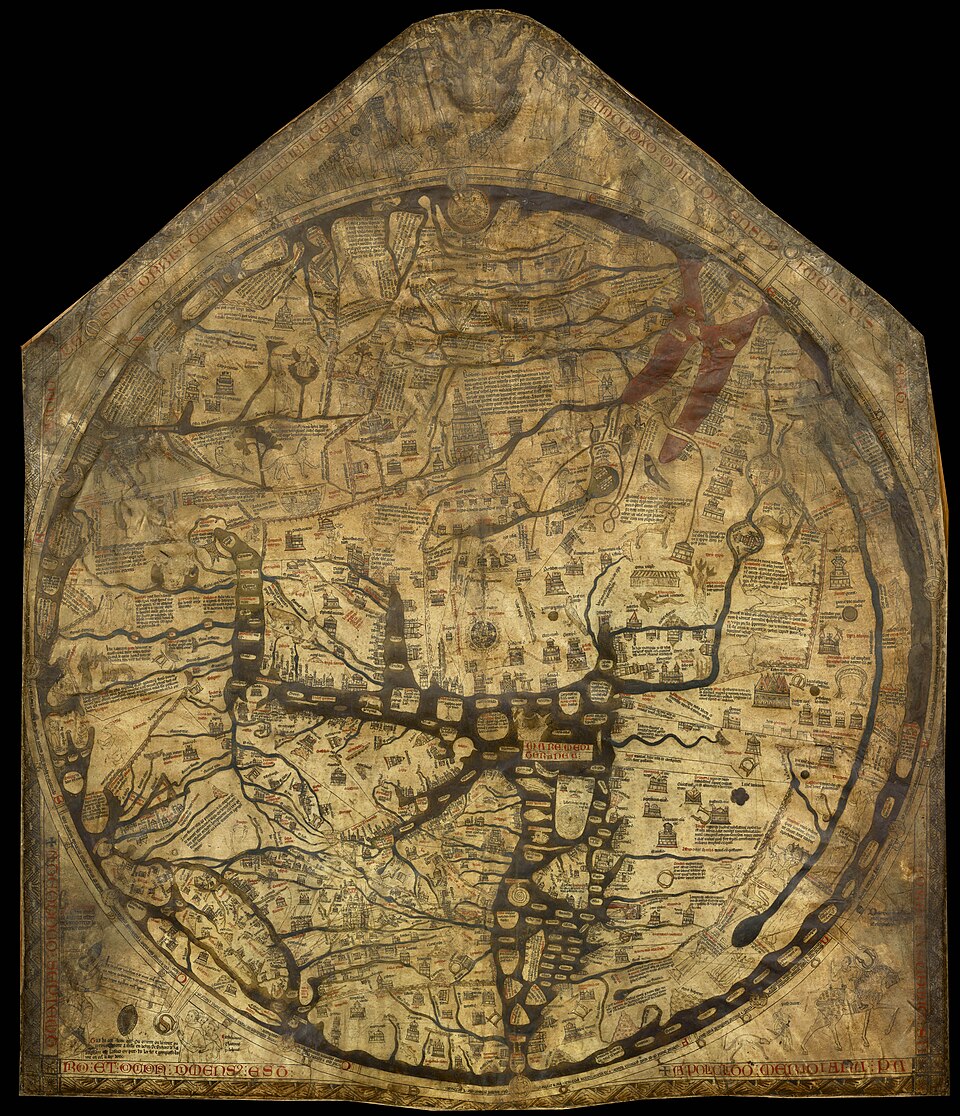
Maps tell the same story. Borders redraw themselves after wars, plagues, and consolidations. Place names change. Old trade routes vanish from official charts while remaining visible in geography. History doesn’t erase—it overwrites, leaving ghosts in plain sight.
Resets don’t require cataclysm. They require administration. Someone decides what’s worth teaching, what’s too complex to explain, and what’s easier to rename than investigate. By the time the story hardens into curriculum, the gaps feel natural. Seen through this lens, Tartaria isn’t extraordinary. It’s familiar. The unsettling question isn’t whether a reset happened—but how often they’ve already occurred.
Annotations
What Destroyed the Library of Alexandria? (History.com)
Changing Landscapes: Roman Infrastructure in the Early Middle Ages (Medievalists.net)
Hereford Mappa Mundi (Wikipedia)
Memories from the Margins: Violence, Conflict & Counter‑Narratives (British Academy)
A quick overview of the topics covered in this article.
Latest articles
The Cognitive Rent Economy: How Every App Is Leasing Your Attention Back to You
You don’t lose your attention anymore. You lease it. Modern platforms don’t steal focus. They monetize it, slice it into intervals, and return it [read more...]

AI Is an Opinionated Mirror: What Artificial Intelligence Thinks Consciousness Is
Artificial intelligence thinks it sees us clearly. It does not. It is staring into a funhouse mirror we built out of math, bias, hunger [read more...]

The Age of the Aeronauts: Early Ballon flights
Humans have always wanted to rise above the ground and watch the world shrink beneath them without paying a boarding fee or following traffic [read more...]
Free Energy from the Ether – from Egypt to Tesla
Humans have always chased power from the invisible. From the temples of Egypt to Tesla’s lab in Colorado, inventors sought energy not trapped in [read more...]
The Philosophy of Fake Reality: When Simulation Theory Meets Neuroscience
What if reality isn’t breaking down—but revealing its compression algorithm? Neuroscience doesn’t prove we live in a simulation, but does it show the brain [read more...]
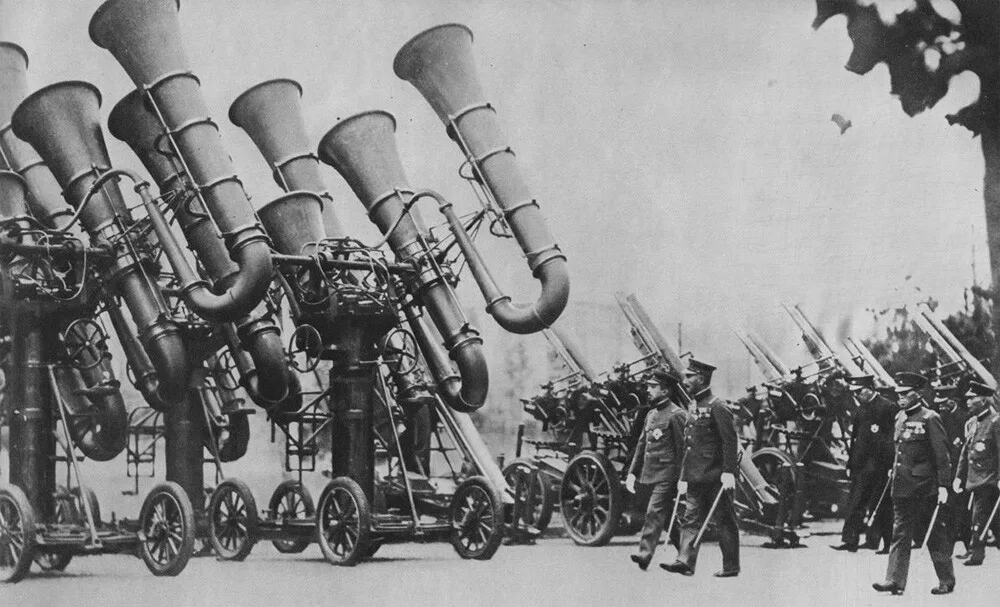
Blast from the Past: Exploring War Tubas – The Sound Locators of Yesteryears
When it comes to innovation in warfare, we often think of advanced technologies like radar, drones, and stealth bombers. However, there was a time [read more...]
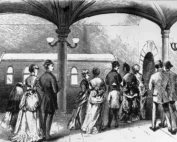
Pneumatic Tube Trains – a Lost Antiquitech
Before electrified rails and billion-dollar transit fantasies, cities flirted with a quieter idea: sealed tunnels, air pressure, and human cargo. Pneumatic tube trains weren’t [read more...]
Tartaria and the Soft Reset: The Case for a Quiet Historical Overwrite
Civilizations don’t always collapse with explosions and monuments toppling. Sometimes they dissolve through paperwork, renamed concepts, and smoother stories. Tartaria isn’t a lost empire [read more...]

“A problem cannot be solved by the same consciousness that created it.” – Albert Einstein
“A problem cannot be solved by the same consciousness that created it.” - Albert Einstein
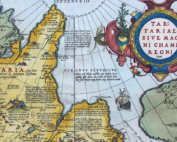
Tartaria: What the Maps Remember
History likes to pretend it has perfect recall, but old maps keep whispering otherwise. Somewhere between the ink stains and the borderlines, a ghost [read more...]