
MRI Brain Scans of of Ancient Chinese Acupuncture
Acupuncture isn’t just a relic of the past—it’s a finely tuned system that maps the body like a constellation of energy rivers, channels that influence not only physical health but brain chemistry. 4,500 years later, it’s still working its quiet, electrical magic.
The Flow of Qi
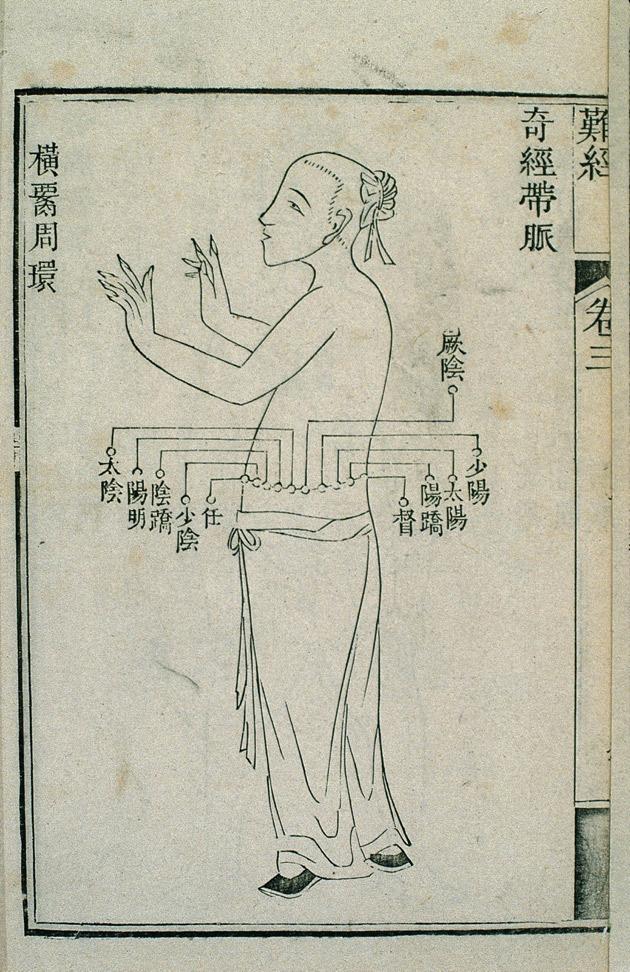
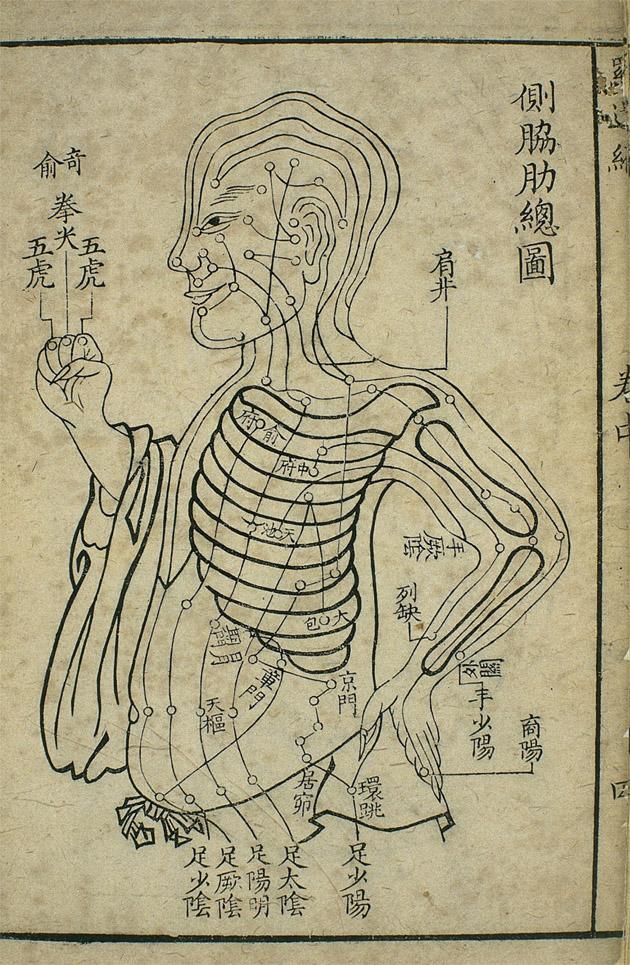
Acupuncture inserts tiny needles into acupoints, punctuating the body’s hidden rivers of energy. These meridians, like an intricate grid of waterways, nourish tissues, organs, and emotions. Obstructions in the flow are said to cause pain, imbalance, or disease; the needles unblock the rivers, letting energy circulate freely again.
This isn’t mystical guesswork. The principle of yin and yang—matter versus formless energy—creates a framework for understanding why some parts of the body become overactive while others stagnate. Needles restore balance, not just in muscles or joints, but in entire systems, allowing the body’s inherent intelligence to reassert control.
Acupuncture isn’t magic, it’s ancient bioelectric engineering. Needles redirect energy rivers and reboot systems. #Neurodope #QiFlow #AncientScience share this

Acupuncture Meets Science
Modern research confirms that needle stimulation triggers chemical cascades in muscles, spinal cord, and brain. Endorphins, enkephalins, and neurotransmitters flood the system, reducing pain, regulating hormones, and fine-tuning neuroendocrine function. The results: pain relief, emotional balance, and enhanced self-healing capacities.
Even without belief, acupuncture works. Studies on cats, dogs, and horses show the method’s efficacy is independent of conscious expectation. The bioelectric signals from acupoints tap into the nervous system’s circuitry, orchestrating physiological responses that modern medicine is only beginning to measure.
Needles hit the brain like piano keys. Pain dims, healing amps up. Acupuncture doesn’t need belief—it rewires the body. #Neurodope #BrainHealing #QiFlow share this

Mapping the Mind
Every acupoint sends measurable signals to the brain. PET scans and fMRIs reveal specific brain regions lighting up, depending on which points are stimulated. Some points enhance hearing, others accelerate tissue repair or immune responses. The body, guided by the acupuncturist, becomes a responsive network, like a live orchestra of neurochemical rhythms.
Take SJ5, a wrist point used for over a thousand years to improve hearing. Stimulating SJ5 mirrors the brain’s natural auditory responses, proving that acupuncture engages the nervous system precisely, predictably, and powerfully. Needles aren’t just needles—they’re signals, instructions, and triggers for systemic repair.
Acupuncture points are brain triggers. SJ5 wrist stimulation mirrors hearing circuits. Ancient wisdom, modern validation. #Neurodope #AcupunctureScience #BrainMapping share this
Gallery of Ancient Chinese Acupuncture Charts:
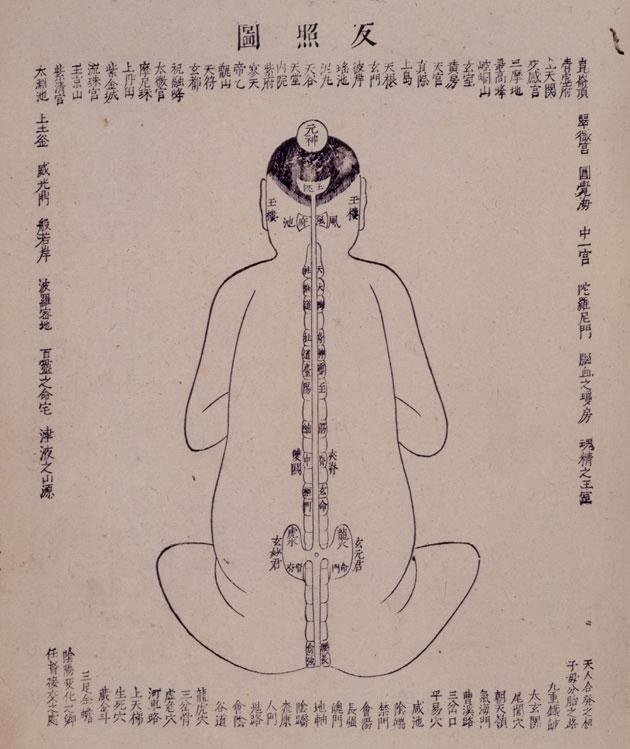
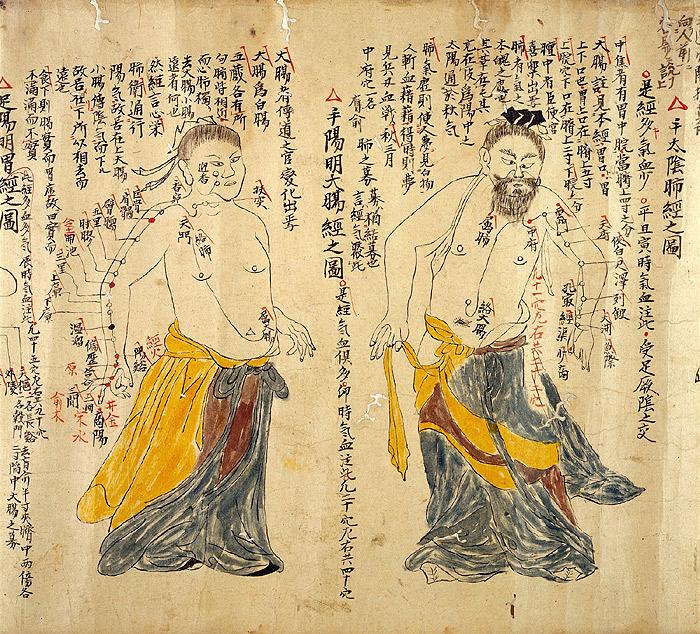
How Acupuncture Works on the Brain
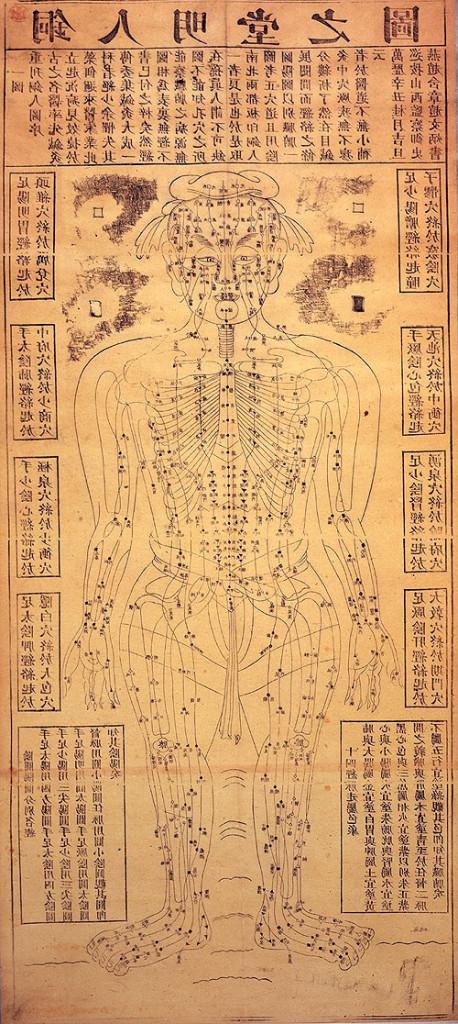
Ancient Wisdom, Modern Practice
Acupuncture’s longevity isn’t luck. Thousands of years of refinement have created a method that harmonizes body, mind, and nervous system, blending Taoist philosophy with neurobiological mechanisms. It complements modern treatments—from Western medicine to naturopathy—enhancing recovery, performance, and well-being.
For anyone skeptical, remember: the system works in humans and animals alike, independent of belief. Acupuncture proves that carefully guided energy, bioelectric patterns, and millennia of trial-and-error create a therapy that remains as valid today as it was 2,000 years ago. Congrats to those who made it here—you’ve just glimpsed the hidden symphony under your skin.
Ancient needles, modern brains. Acupuncture harmonizes, heals, and rewires systems. Not belief—bioelectricity. #Neurodope #QiFlow #HealingScience share this
A quick overview of the topics covered in this article.
How do ya like my little magazine? Neurodope Magazine is a sardonic, science-meets-philosophy publication that explores the strange, the curious, and the mind-bending corners of reality with wit, skepticism, and insight.
If this kind of brain static hits your frequency, subscribe for articles to your inbox. I try to look deeper into things and write about them: commentary on society, science, and space.. After all, there's a whole lot of unknown unknowns out there.. and I'm curious to the ideas surrounding them. Thanks for reading! - Chip
Latest articles

“Honesty is the first chapter in the book of wisdom.” – Thomas Jefferson
"Honesty is the first chapter in the book of wisdom." - Thomas Jefferson

“The truth is rarely pure and never simple.” – Oscar Wilde
“The truth is rarely pure and never simple.” – Oscar Wilde

“There is no place in a fanatic’s head where reason can enter.” – Napoleon Bonaparte
"There is no place in a fanatic's head where reason can enter." - Napoleon Bonaparte