
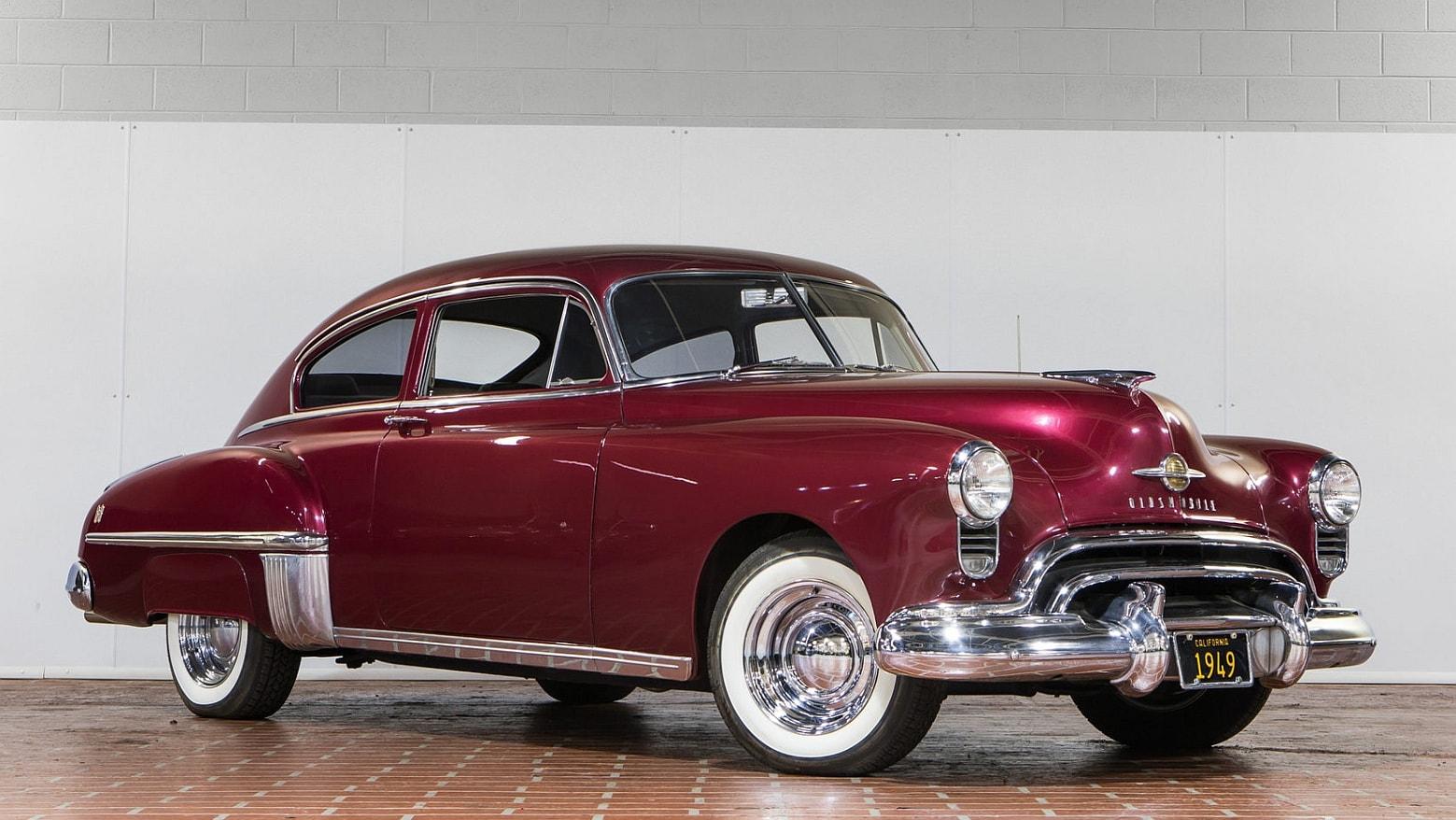
Unraveling the Rocket 88 Song Timeline
It begins in 1951, in a Memphis studio where the air was thick with smoke, sweat, and something electric—literally and metaphorically. Jackie Brenston and His Delta Cats cut a track called “Rocket 88,” a glorified ode to the Oldsmobile 88 that turned into something much bigger.
Too wild for blues, too raw for jazz, too alive for pop, the record dropped on Chess Records and caught fire not just because of its rhythm, but because it sounded like something entirely new. The piano hammering belonged to Ike Turner, though his name wasn’t on the marquee.
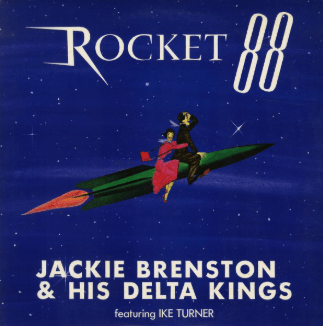
The distorted guitar tone—born from a damaged amp they stuffed with paper to stop it from rattling—was an accident that became the DNA of rock. The imperfections became the art.
“Rocket 88” didn’t just roll off the assembly line; it roared out, shaking everything around it. The track became a signal flare, lighting up the path for rock and roll before it even had a name. Musicians from Sam Phillips to Elvis to Chuck Berry were tuned in, taking notes whether they knew it or not. Within a few years, its influence was everywhere: the swaggering bass lines, the aggressive backbeat, the sound of liberation hiding in a dance song. Even as it was reinterpreted—covered, copied, twisted—it carried a spark that refused to die. The song’s echoes showed up in early rockabilly recordings, in rhythm and blues cuts that teetered on the edge of chaos, and in every guitar player who realized distortion wasn’t a flaw but a form of truth.
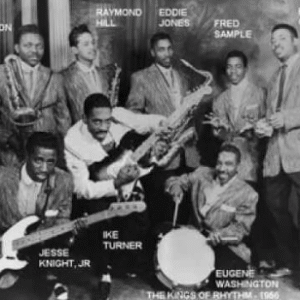
It wasn’t just the first rock and roll song—it was the first mistake that mattered.
The real story, though, is in what “Rocket 88” did to the idea of music itself. It was a sonic jailbreak, kicking down the polite walls of the postwar pop scene. That blown speaker became a blueprint for rebellion. Future guitar heroes—from Link Wray to Hendrix to Cobain—owed something to that busted amp in Memphis. Recording engineers began chasing that same crackle of imperfection, trying to bottle the lightning that “Rocket 88” accidentally unleashed.
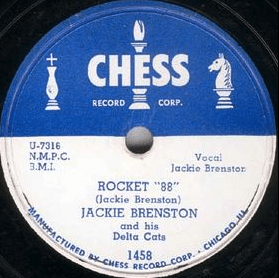
As decades rolled on, “Rocket 88” kept resurfacing like a ghost with a grin. Blues revivalists in the ’60s reworked it; pub rock bands in the ’70s nodded to it; indie artists in the 2000s sampled it without realizing they were touching the source code. Each generation seems to rediscover it, marveling at how modern it sounds—how the energy still feels unprocessed, unfiltered, unrepentant. Scholars write papers about it. Documentaries name-drop it. Guitar players whisper about it like folklore.
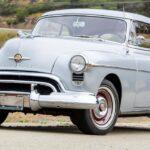
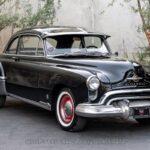

The Song Was About Much More than a Car
And that’s the beauty of it—“Rocket 88” is less a song than a beginning. It sits in the bloodstream of modern music, humming beneath every distorted riff and every defiant lyric. It reminds us that the future of sound is often an accident, born from busted gear and wild curiosity. Seventy-plus years later, it still asks you to turn up the volume, to feel the danger in the distortion, to remember when music first stopped behaving.
So cue it up. The original cut, Chess Records, 1951. Listen close. That’s not just a car song. That’s the engine of everything that followed.
A quick overview of the topics covered in this article.
Latest articles

“There is no place in a fanatic’s head where reason can enter.” – Napoleon Bonaparte
"There is no place in a fanatic's head where reason can enter." - Napoleon Bonaparte
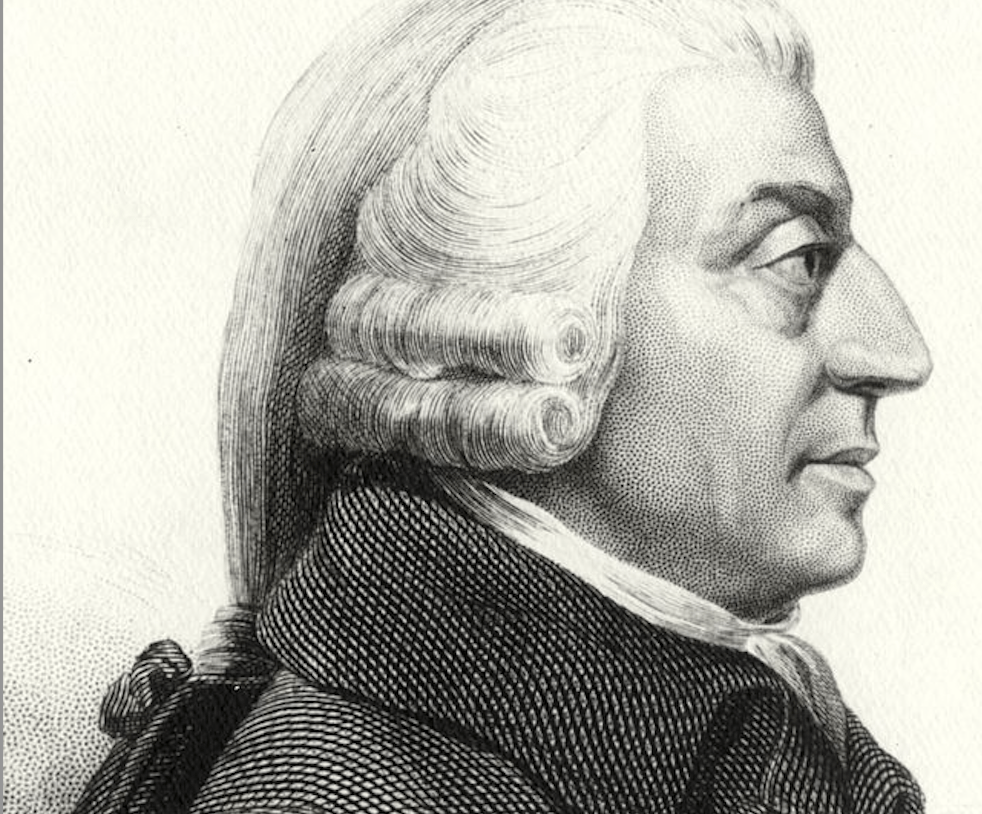
“Science is the great antidote to the poison of enthusiasm and superstition.” – Adam Smith
"Science is the great antidote to the poison of enthusiasm and superstition." - Adam Smith

“In a time of deceit telling the truth is a revolutionary act.” – George Orwell
"In a time of deceit telling the truth is a revolutionary act." - George Orwell


