
The Tartaria Problem: When Lost Empires Start Whispering in the Walls
History has blind spots big enough to drive a continent through. Tartaria is one of them – an empire that may never have existed, except for the parts of it that clearly did. This is a breakdown of the Tartarian Empire, mud flood resets, buried architecture, forgotten timelines, and why history keeps misplacing entire civilizations.
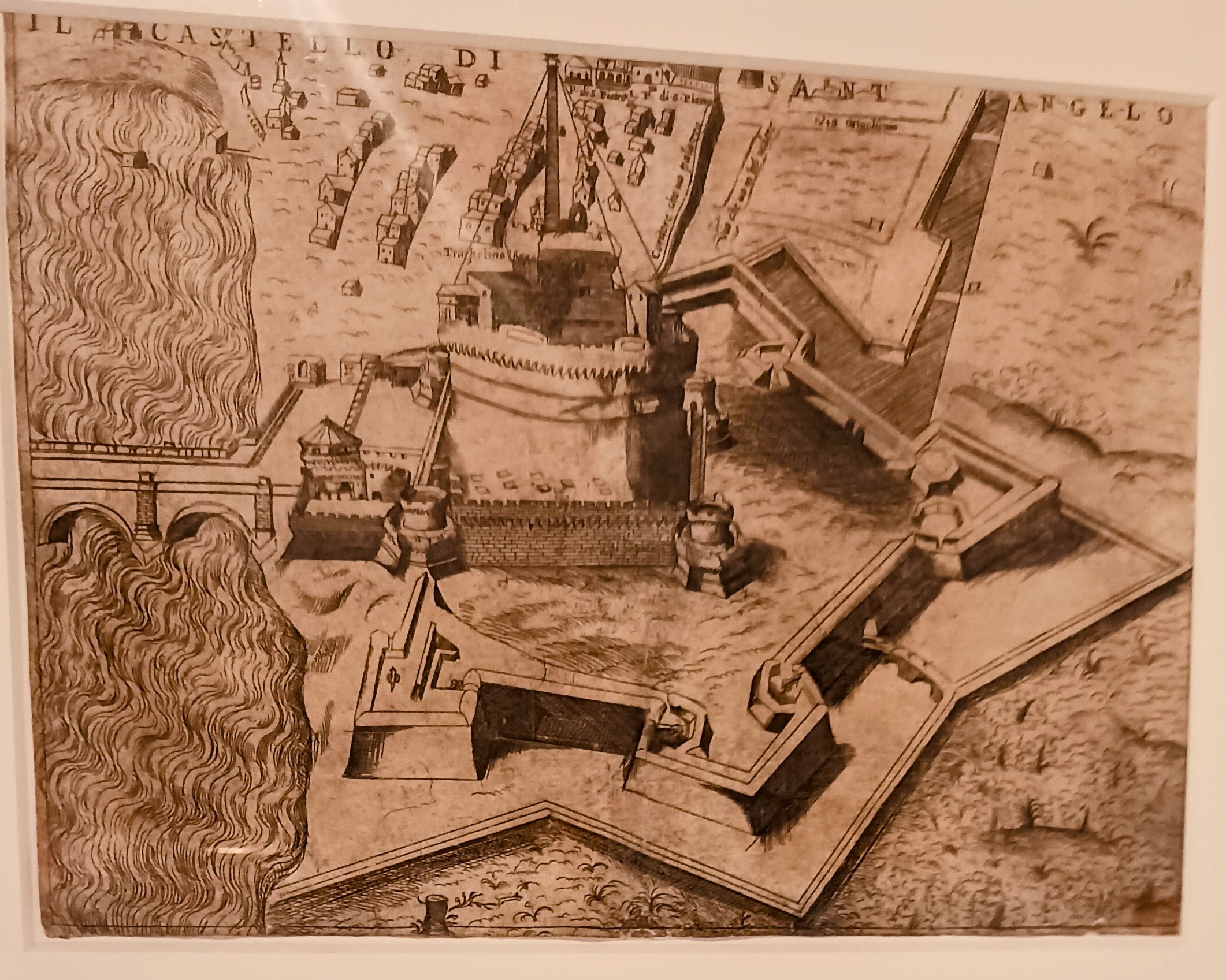
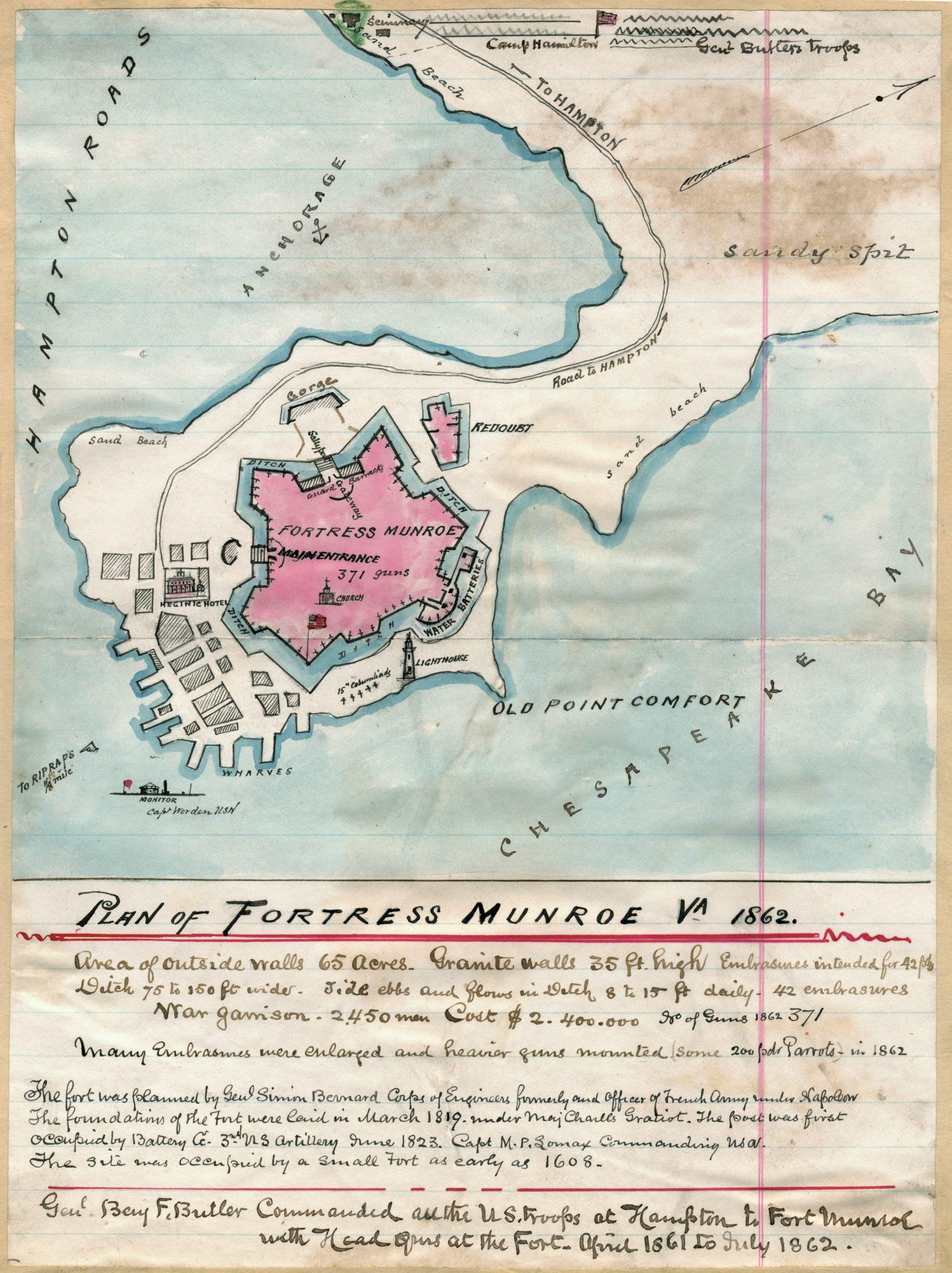
Ancient Star Forts are all over the world
When a Civilization Exists and Doesn’t at the Same Time
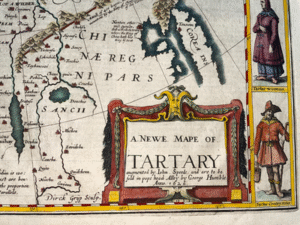
The idea of Tartaria floats between cartography and fever dream, a civilization both mislabeled and misremembered. Old maps scribbled “Tartary” over half of Asia like a cartographer shrug. But the architecture, the engineering, the geometric precision—those look less like medieval guesswork and more like a society running on frequency, symmetry, and intention.
People didn’t imagine those domes and star forts into existence; someone built them, and built them well.
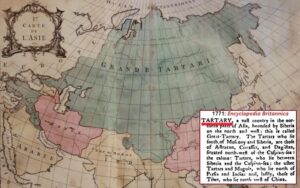
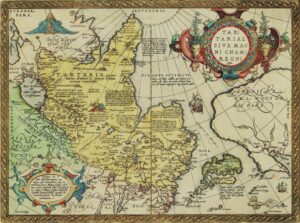
The modern framing calls Tartaria a “myth” because it doesn’t fit the museum gift-shop version of human progress. But when you find buildings with buried first floors, windows underground, and stonework that appears older than the official founding date of the city itself, you start to wonder if the myth is the thing doing the explaining.
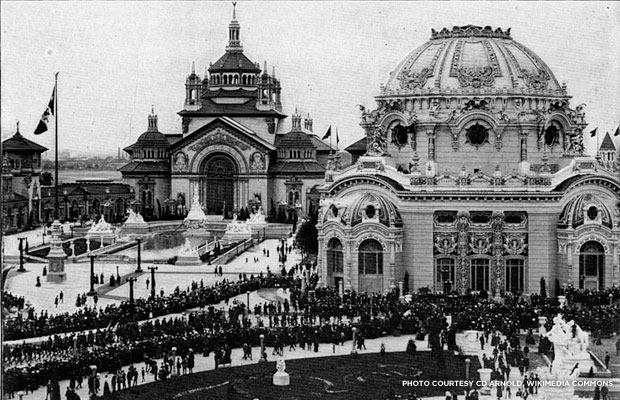
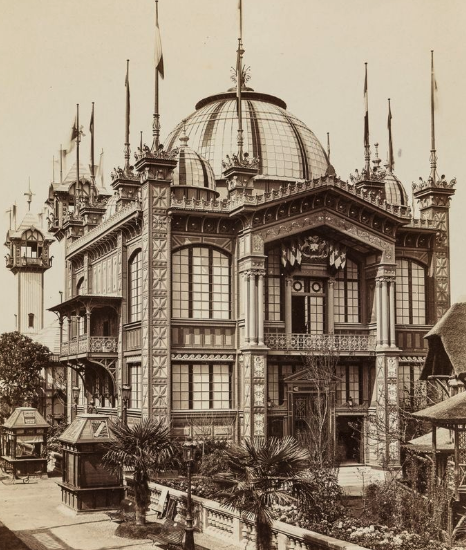
The Temple of Music, right, is an example of a grand structure built for a World’s Fair only to be torn down immediately following the event?
Tartaria: the empire you’re not allowed to believe in until you notice the basement windows are eight feet underground. #Tartaria #MudFlood #AltHistory share this
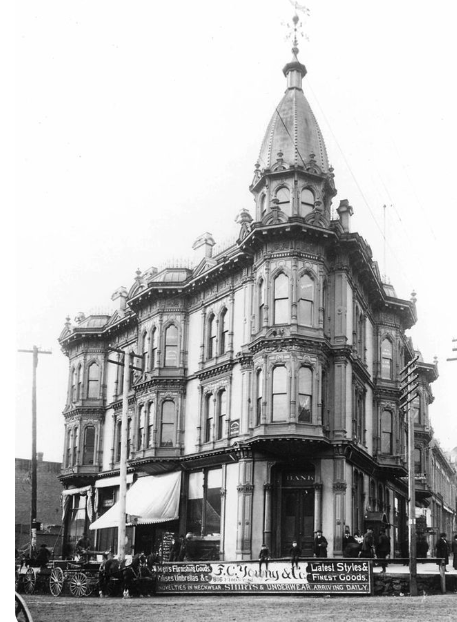
Mud Floods: When History Gets Buried Literally, Not Metaphorically
Mud floods are treated like fringe lore, but geological dumping—the sudden submerging of cities under meters of silt—has happened in more places than conspiracy theorists drink coffee. Liquefaction, landslides, hydrological shocks: they don’t ask permission. They just rearrange the map.
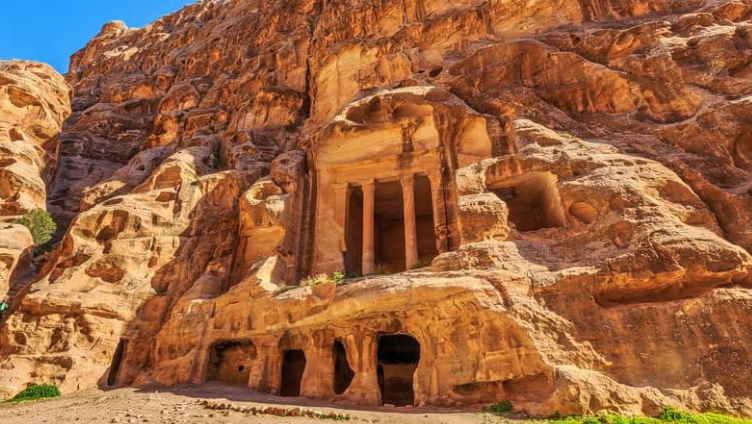
The Meltrix Meltology is a study of ancient buildings discovered in rock formations.
But the Tartaria argument adds a layer of intentionality. It says some of these events weren’t just nature throwing a tantrum—they were cover. Whole blocks buried up to the second story, labeled “basements” retroactively, while the original street-level quietly vanished. Because if you hide the ground floor of a civilization, you hide its actual height.
Mud floods: nature’s reset button, unless someone’s finger was already hovering over it. #MudFlood #AltTimeline #Neurodope share this
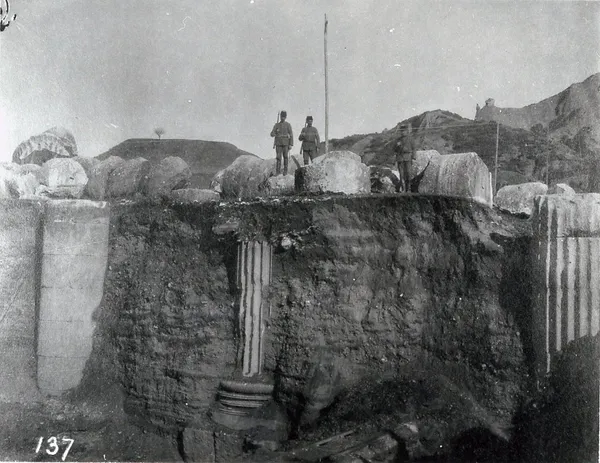
The Reset Cycle: History on a Timer
The raw theory claims resets weren’t random—they were synchronized with astronomical cycles, Saturn alignments, solar minimums, and shifts in Earth’s magnetic field. It’s part mysticism, part physics, part ‘what if the universe runs a software update every few centuries?’
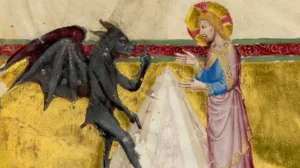
The onion layer gets deep: some researchers are saying it is biblical.
Reset theorists say the elites—the old-world architects of narrative—didn’t just watch the cycles; they weaponized them. When energy peaks created windows for consciousness leaps, the response wasn’t celebration. It was suppression. Mud, fire, war, plague—the greatest hits of manufactured calamity, used to pivot the trajectory of civilization before the wave could crest.
Every civilization has a timer. The question is: who’s holding the stopwatch? #HistoryReset #Tartaria #Neurodope share this
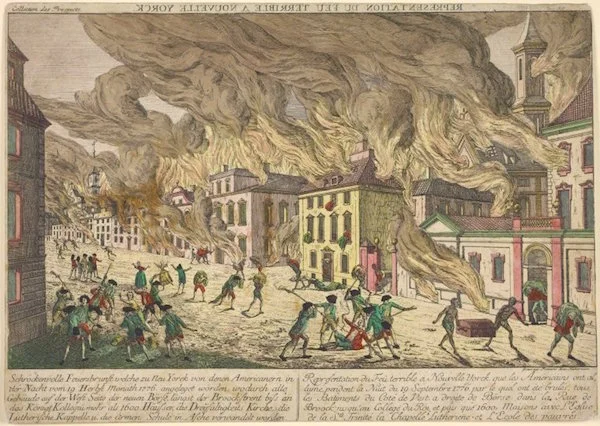
Great Fires of Major Cities all have the same Narrative
The Architecture That Refuses to Shut Up
Those towers, domes, star-shaped fortresses, and resonant geometries from old cities? They don’t match the tools or math of the eras that supposedly built them. Either the world’s hardest-working masons lived on caffeine and miracles, or they were upgrading technology we can’t identify anymore.
The theory claims electromagnetic surges—misinterpreted as fires, disasters, or “acts of God”—were the cleanup crew. Chicago, San Francisco, and others didn’t just burn; they allegedly shorted out. And when a grid goes dark, the story gets rewritten by whoever lights the next match. By the time the new narrative is printed, Tartaria is a footnote, and the survivors get folded into someone else’s timeline.
Architecture remembers even when history forgets. Stone doesn’t lie—only historians do. #LostEmpires #Tartaria #Neurodope share this
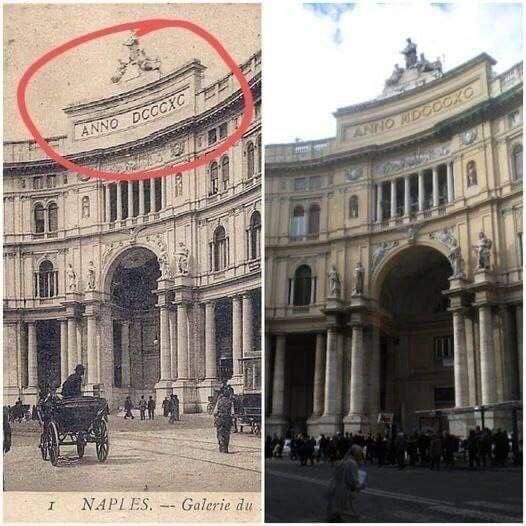
Galleria Umberto in Naples The photo on the left shows the year 890 above the arch in Roman letters, On the right in the photo, the M was added after the restoration, and the building has drastically changed the date to 1890.
The Tartaria debate sits at the crossroads of archaeology, conspiracy, and cultural memory. The mainstream story says it was a geographic label, nothing more. The alternative story claims it was a civilization scrubbed during resets—some natural, some engineered. What’s true is this: architecture that predates its assigned history deserves investigation, not dismissal. Mud floods, buried floors, inexplicable construction methods, and suspiciously timed disasters challenge the tidy chronology we’re fed. You don’t need to believe in a hidden empire to recognize the gaps in the record. You just need to be honest about how often history gets rewritten by the winners—and how often the ground itself tries to correct them.
Resources for grounding, comparison, and historical context:
-
Library of Congress: Primary sources on 19th-century fires & reconstruction efforts — https://www.loc.gov
-
USGS: Geological explanations for liquefaction, rapid burial events, and historical soil anomalies — https://www.usgs.gov
-
National Archives: Maps of Asia and Russia, including early Tartary designations — https://www.archives.gov

A quick overview of the topics covered in this article.
Latest articles
The Cognitive Rent Economy: How Every App Is Leasing Your Attention Back to You
You don’t lose your attention anymore. You lease it. Modern platforms don’t steal focus. They monetize it, slice it into intervals, and return it [read more...]

AI Is an Opinionated Mirror: What Artificial Intelligence Thinks Consciousness Is
Artificial intelligence thinks it sees us clearly. It does not. It is staring into a funhouse mirror we built out of math, bias, hunger [read more...]

The Age of the Aeronauts: Early Ballon flights
Humans have always wanted to rise above the ground and watch the world shrink beneath them without paying a boarding fee or following traffic [read more...]

Free Energy from the Ether – from Egypt to Tesla
Humans have always chased power from the invisible. From the temples of Egypt to Tesla’s lab in Colorado, inventors sought energy not trapped in [read more...]

The Philosophy of Fake Reality: When Simulation Theory Meets Neuroscience
What if reality isn’t breaking down—but revealing its compression algorithm? Neuroscience doesn’t prove we live in a simulation, but does it show the brain [read more...]
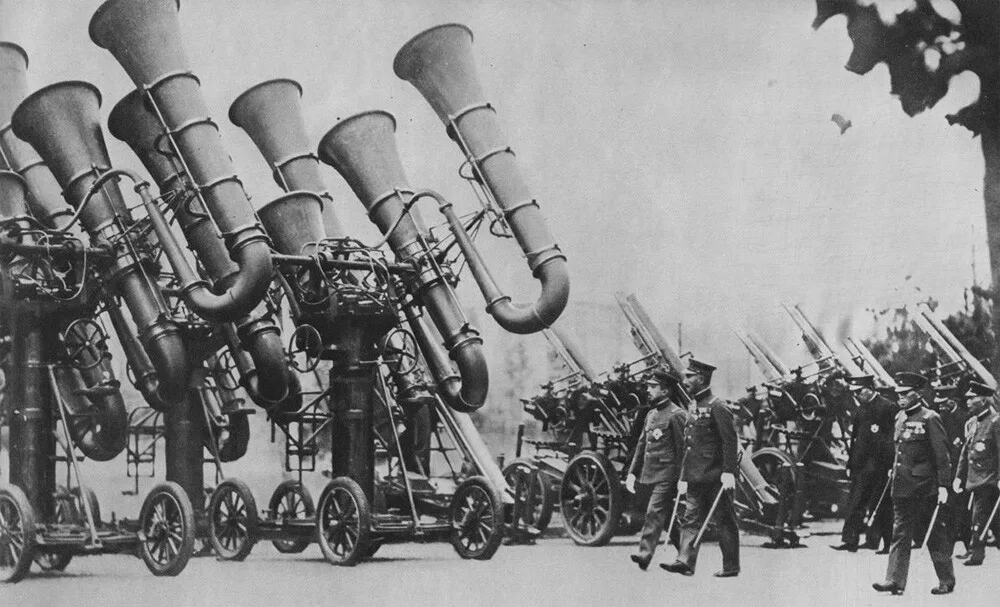
Blast from the Past: Exploring War Tubas – The Sound Locators of Yesteryears
When it comes to innovation in warfare, we often think of advanced technologies like radar, drones, and stealth bombers. However, there was a time [read more...]
Pneumatic Tube Trains – a Lost Antiquitech
Before electrified rails and billion-dollar transit fantasies, cities flirted with a quieter idea: sealed tunnels, air pressure, and human cargo. Pneumatic tube trains weren’t [read more...]
Tartaria and the Soft Reset: The Case for a Quiet Historical Overwrite
Civilizations don’t always collapse with explosions and monuments toppling. Sometimes they dissolve through paperwork, renamed concepts, and smoother stories. Tartaria isn’t a lost empire [read more...]

“A problem cannot be solved by the same consciousness that created it.” – Albert Einstein
“A problem cannot be solved by the same consciousness that created it.” - Albert Einstein
Tartaria: What the Maps Remember
History likes to pretend it has perfect recall, but old maps keep whispering otherwise. Somewhere between the ink stains and the borderlines, a ghost [read more...]