
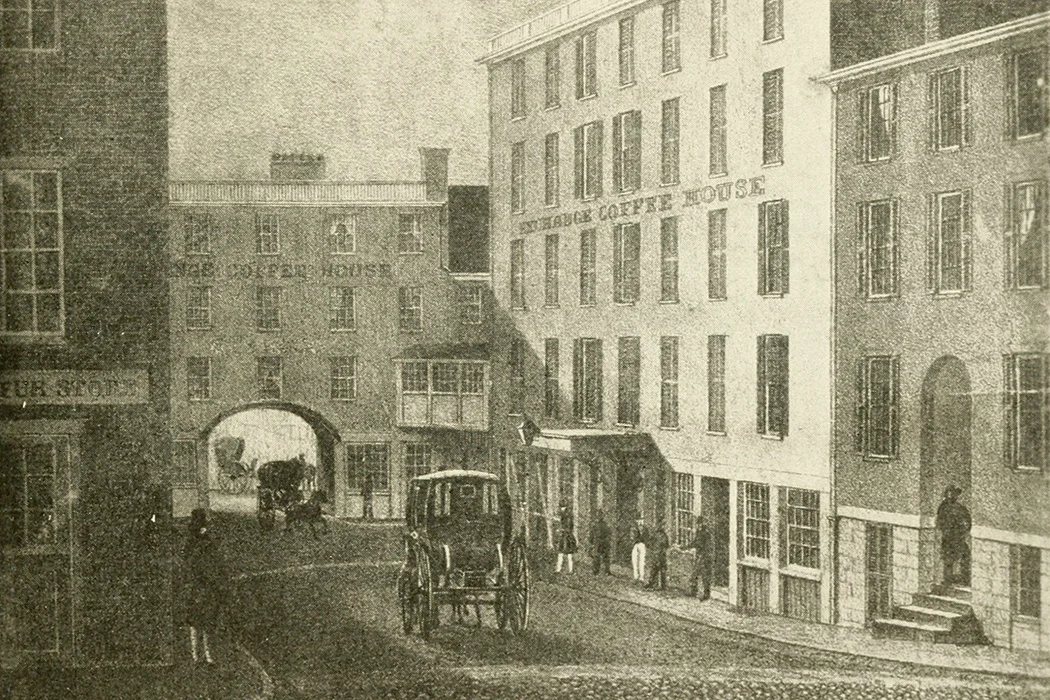
The Invention of the Hotel: Tracing the Origins of the Modern Business Model
Hotels have become an integral part of modern society, offering travelers a home away from home and catering to their diverse needs. However, the roots of the modern hotel can be traced back to a fascinating period in history. In the essay “A Public House for a New Republic: The Architecture of Accommodation and the American State, 1789-1809″ by A. K. Sandoval-Strausz, the author explores the early history and origin of the business model that shaped the development of hotels as we know them today. Let’s delve into this captivating narrative and understand how the hotel industry came into existence.
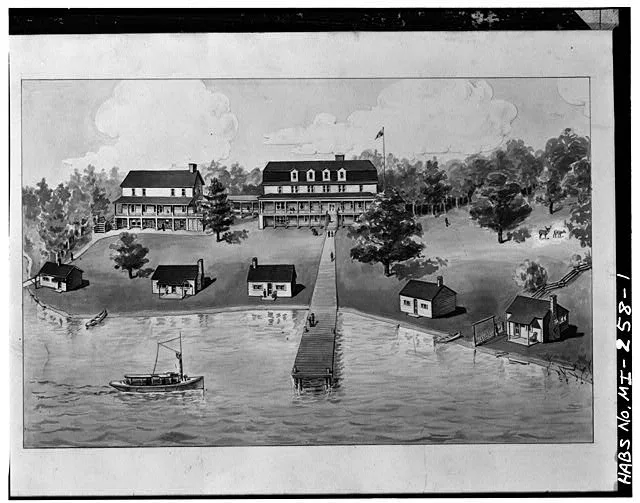
The Invention of the Hotel: Tracing the Origins of the Modern Business Model
The Changing Landscape of Early America:
During the late 18th and early 19th centuries, the United States was experiencing a transformative period. With the birth of the American republic, there was a surge in travel, trade, and migration. As people ventured across the country, a need arose for reliable and comfortable accommodations. In response, a new architectural and business model began to emerge: the hotel.
The Tavern: Precursor to the Hotel:
In colonial America, the tavern played a crucial role in providing lodging and sustenance to travelers. However, these establishments were primarily local in nature and lacked standardized services. With the rise of the new republic, the demand for more sophisticated accommodations grew, prompting entrepreneurs to develop a new kind of establishment: the hotel.
The Birth of the Hotel:
As the essay by A. K. Sandoval-Strausz suggests, the hotel as we know it today was born out of a convergence of factors. The architectural influence of Europe, particularly the English coaching inn and the French hotel, played a significant role in shaping the early American hotel. These establishments set the precedent for formalized spaces, multi-story structures, and specialized services.
Additionally, the advent of steamboat and railroad travel in the early 19th century further fueled the need for well-organized accommodations. Travelers required reliable places to rest and refresh themselves during their journeys, leading to the proliferation of hotels near transportation hubs.
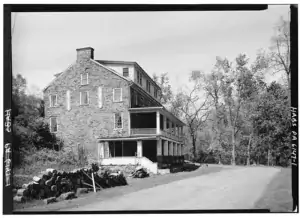 Entrepreneurial Spirit and Business Model:
One of the key aspects of the modern hotel business model was the emphasis on efficiency and profitability. Hotel entrepreneurs recognized the economic potential of catering to a diverse clientele and providing a range of services. They sought to maximize their profits by offering lodging, dining, entertainment, and amenities under one roof.
Furthermore, the development of a standardized pricing system allowed hotels to attract both short-term and long-term guests. This approach enabled them to cater to a wide range of budgets and preferences, accommodating everyone from wealthy travelers to budget-conscious individuals.
The Role of the American State:
In the early years of the United States, the government played an instrumental role in shaping the hotel industry. The state provided financial support for the construction of infrastructure, such as roads and canals, which facilitated travel and boosted the demand for hotels. Government officials and politicians were also frequent patrons of hotels, further enhancing their reputation and importance.
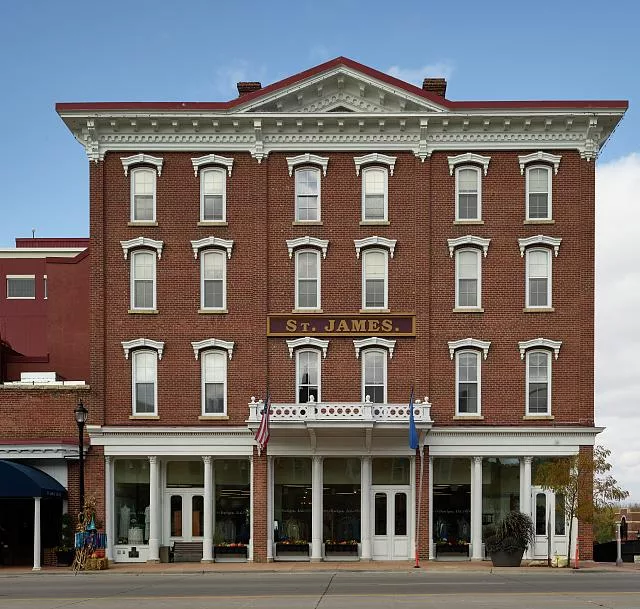
The 1875 St. James Hotel, built by eleven prominent businessmen including several barons of a wheat-farming boom, in Red Wing, Minnesota, a city along the upper Mississippi River named after the early 19th-century Dakota Sioux chief, Red Wing (Shakea), whose name came from his use of a dyed swan’s wing as their symbol of rank. The city is home to several noted manufacturers, including that which produces Red Wing shoes.
The invention and evolution of the hotel business model in the late 18th and early 19th centuries were a response to the changing needs of a young republic. The emergence of hotels revolutionized the travel and hospitality industry, providing comfort, convenience, and standardized services to a growing population of travelers. Today, the legacy of those early hotels lives on, with modern establishments offering a wide array of amenities and experiences to cater to the needs of diverse clientele. The hotel industry continues to adapt and innovate, building upon the foundations laid during the birth of the modern hotel.
A quick overview of the topics covered in this article.

How do ya like my little magazine? Neurodope Magazine is a sardonic, science-meets-philosophy publication that explores the strange, the curious, and the mind-bending corners of reality with wit, skepticism, and insight.
If this kind of brain static hits your frequency, subscribe for articles to your inbox. I try to look deeper into things and write about them: commentary on society, science, and space.. After all, there's a whole lot of unknown unknowns out there.. and I'm curious to the ideas surrounding them. Thanks for reading! - Chip
Latest articles

“The truth is rarely pure and never simple.” – Oscar Wilde
“The truth is rarely pure and never simple.” – Oscar Wilde

“There is no place in a fanatic’s head where reason can enter.” – Napoleon Bonaparte
"There is no place in a fanatic's head where reason can enter." - Napoleon Bonaparte
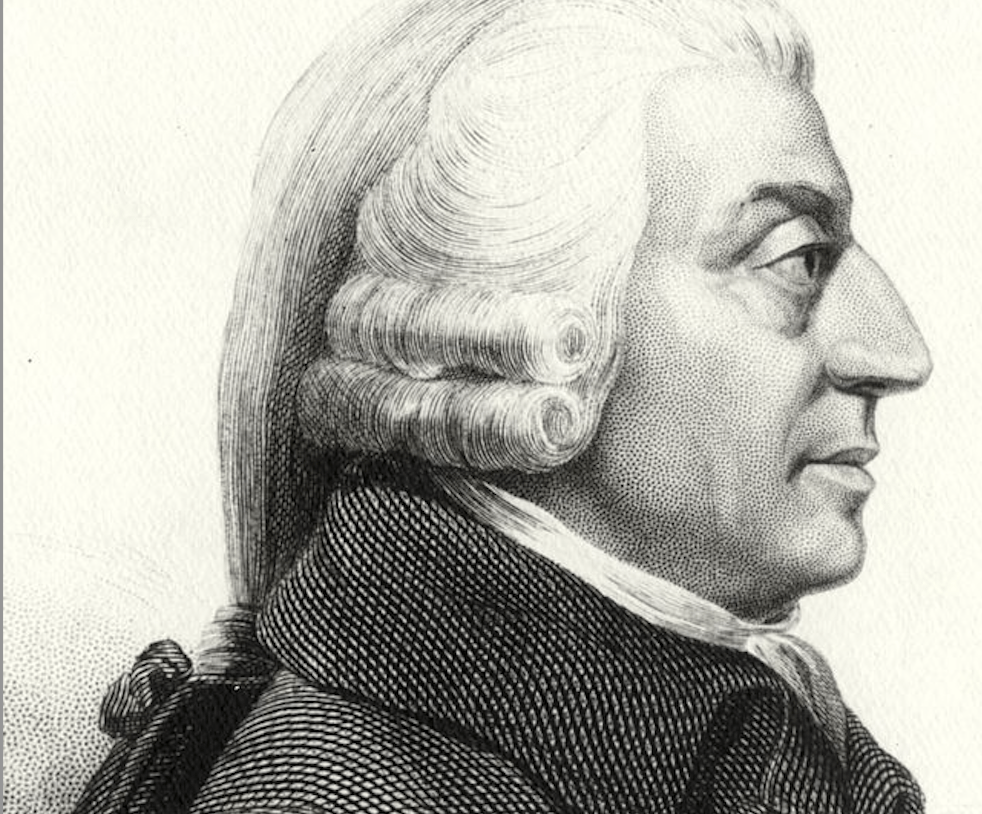
“Science is the great antidote to the poison of enthusiasm and superstition.” – Adam Smith
"Science is the great antidote to the poison of enthusiasm and superstition." - Adam Smith