The Cognitive Rent Economy: How Every App Is Leasing Your Attention Back to You
You don’t lose your attention anymore. You lease it. Modern platforms don’t steal focus. They monetize it, slice it into intervals, and return it with friction, charging interest for the privilege of feeling productive.
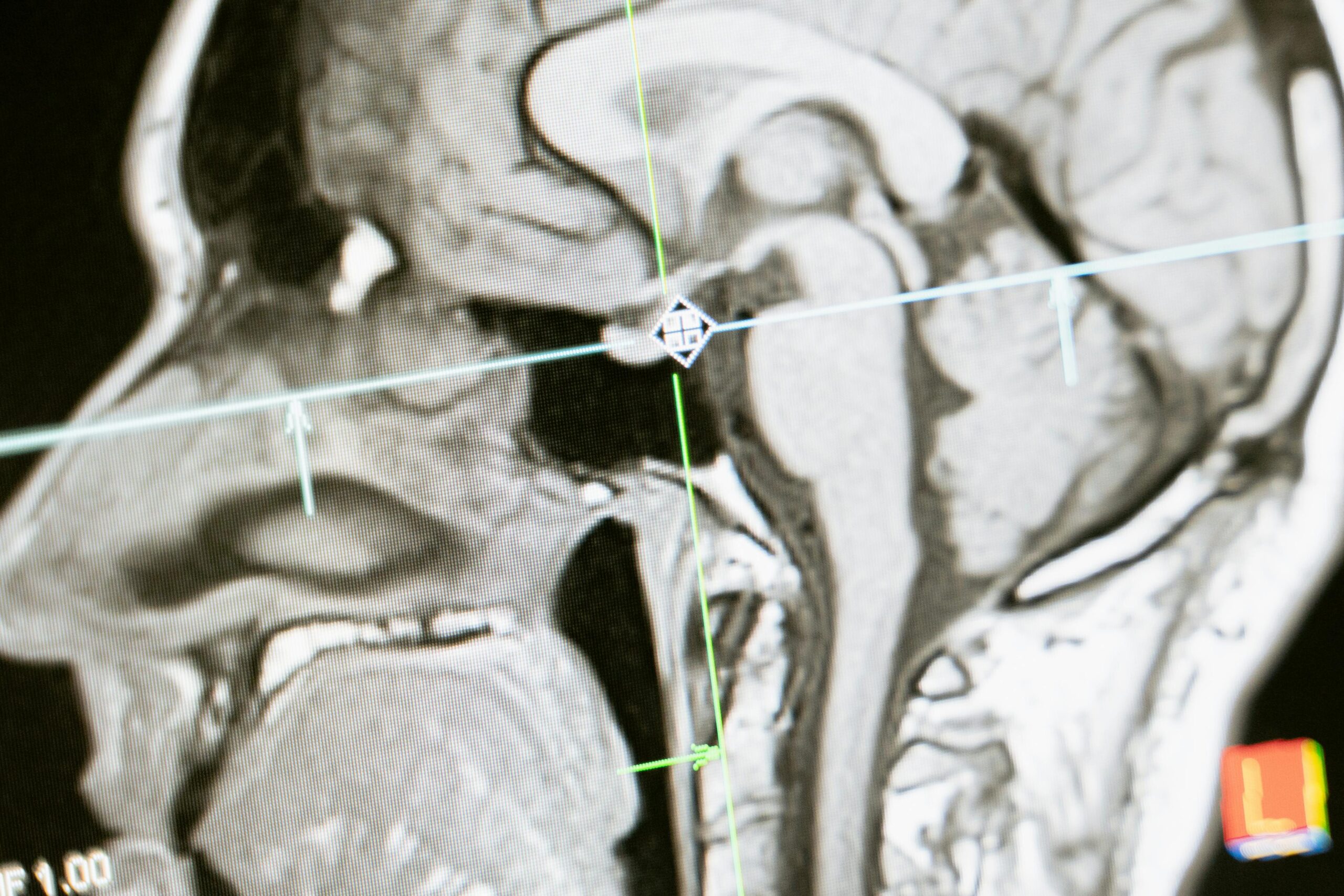
Brain imaging overlaid with behavioral data
Attention Wasn’t Stolen, It Was Financialized
The old story says technology distracts us, as if distraction were an unfortunate side effect of innovation rather than its operating system. That framing is tidy and misleading. What actually happened is that attention became measurable, tradable, and forecastable, turning human focus into a managed asset.
Once attention could be quantified, it could be rented. Notifications, feeds, streaks, reminders, these aren’t interruptions. They are billing cycles. Each ping renews the lease. Each scroll counts as payment. You’re not losing focus. You’re borrowing it back in regulated doses.
Attention wasn’t stolen. It was financialized, and you’re paying interest. #Neurodope #AttentionEconomy share this
A minimalist productivity app on a pristine desk
The Neuroscience of the Lease Agreement
Dopamine usually takes the blame, which is convenient because chemistry sounds accidental. Neuroscience didn’t hijack your brain. It exposed how predictable it already was. Variable rewards, anticipation loops, and novelty bias became the architectural beams of modern design.
The real lever isn’t pleasure. It’s incompletion. The brain hates unresolved loops, so platforms keep them permanently open. Badges, unread counts, and “almost there” prompts all act as deferred resolutions, ensuring attention never settles, never closes, never exits cleanly.
Your brain isn’t addicted. It’s stuck in a permanent open tab. #Neurodope #CognitiveLoad share this
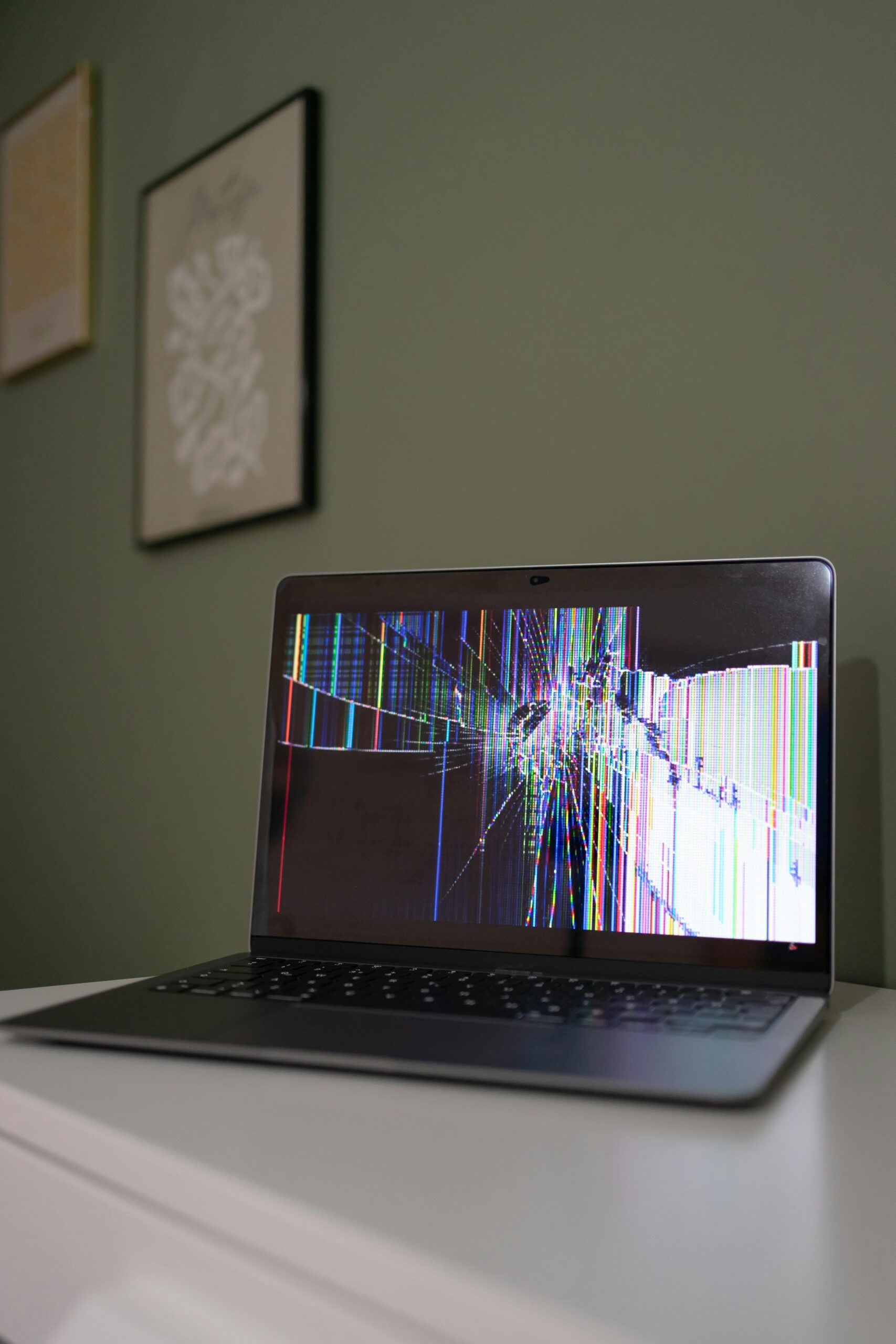
A fractured reflection staring into a screen
Optimization Culture as Moral Laundering
The masterstroke was selling control as care. Focus apps, wellness dashboards, productivity scores, all of it is behavioral governance wrapped in pastel UX. The same systems that fragment attention now offer tools to repair the damage they engineered.
Responsibility quietly shifts to the user. If focus fails, discipline is blamed. If burnout hits, habits are questioned. Agency becomes a performance metric, while environmental manipulation remains politely invisible. Control doesn’t feel imposed. It feels like self improvement.
When control wears the costume of self care, resistance looks like failure. #Neurodope #OptimizationCulture share this

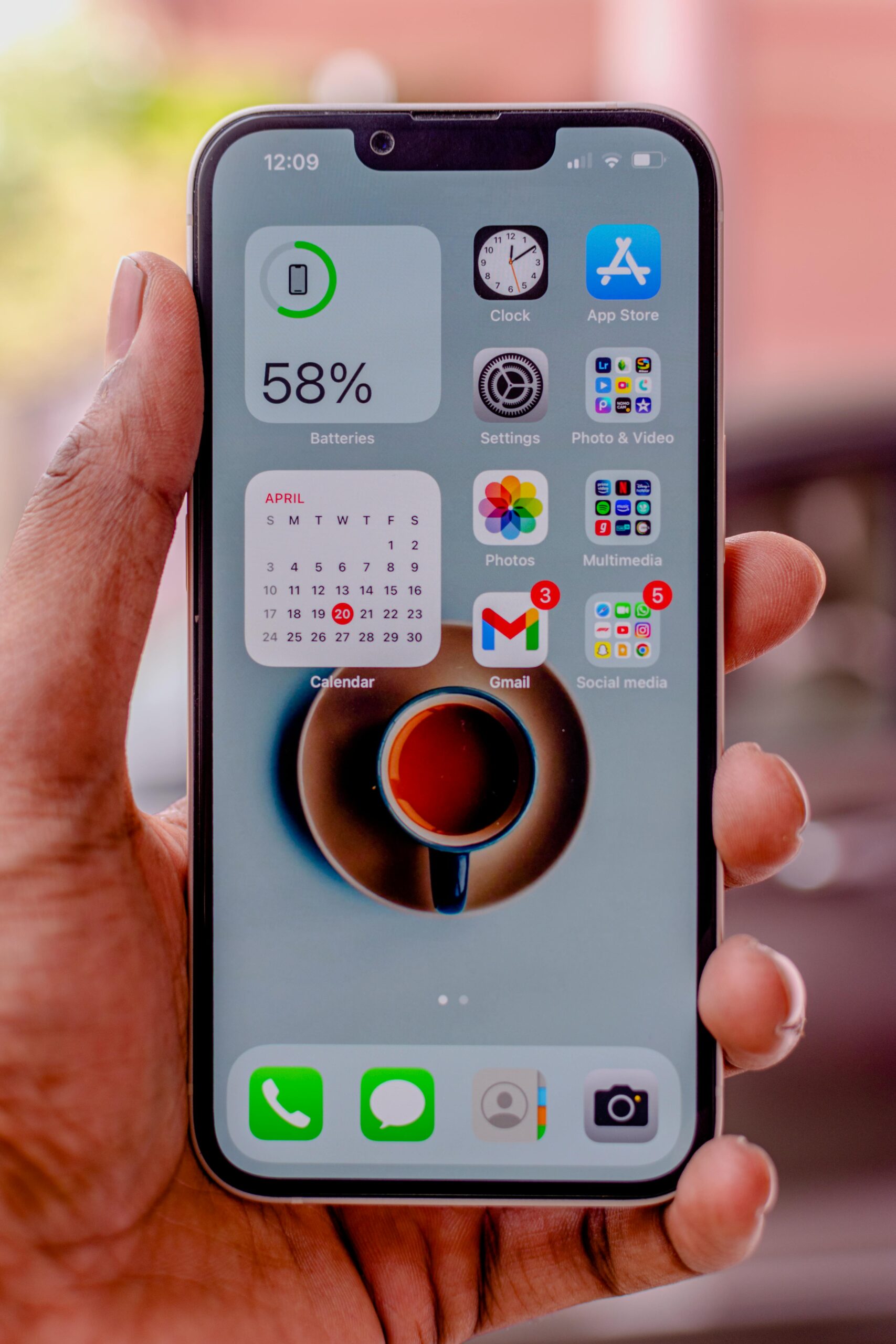
A phone glowing in the dark, notifications stacked like unpaid bills
Paying Rent on Your Own Mind
The real cost isn’t distraction. It’s decision fatigue, moral outsourcing, and cognitive debt. When systems pre select relevance, judgment weakens. When reminders think for you, memory atrophies. Convenience quietly replaces agency.
Awareness doesn’t cancel the lease. Knowing the system exists doesn’t free you from it. These platforms adapt faster than insight and smoother than rebellion. The unresolved question isn’t how to reclaim attention. It’s what kind of human function survives when attention is no longer owned.
The danger isn’t losing focus. It’s losing the right to decide what deserves it. #Neurodope #HumanAgency share this
Annotation
Neuroscience of reward prediction and dopamine signaling
Behavioral economics and attention scarcity
Habit forming product psychology
A quick overview of the topics covered in this article.
Latest articles
The Cognitive Rent Economy: How Every App Is Leasing Your Attention Back to You
You don’t lose your attention anymore. You lease it. Modern platforms don’t steal focus. They monetize it, slice it into intervals, and return it [read more...]

AI Is an Opinionated Mirror: What Artificial Intelligence Thinks Consciousness Is
Artificial intelligence thinks it sees us clearly. It does not. It is staring into a funhouse mirror we built out of math, bias, hunger [read more...]

The Age of the Aeronauts: Early Ballon flights
Humans have always wanted to rise above the ground and watch the world shrink beneath them without paying a boarding fee or following traffic [read more...]

Free Energy from the Ether – from Egypt to Tesla
Humans have always chased power from the invisible. From the temples of Egypt to Tesla’s lab in Colorado, inventors sought energy not trapped in [read more...]

The Philosophy of Fake Reality: When Simulation Theory Meets Neuroscience
What if reality isn’t breaking down—but revealing its compression algorithm? Neuroscience doesn’t prove we live in a simulation, but does it show the brain [read more...]
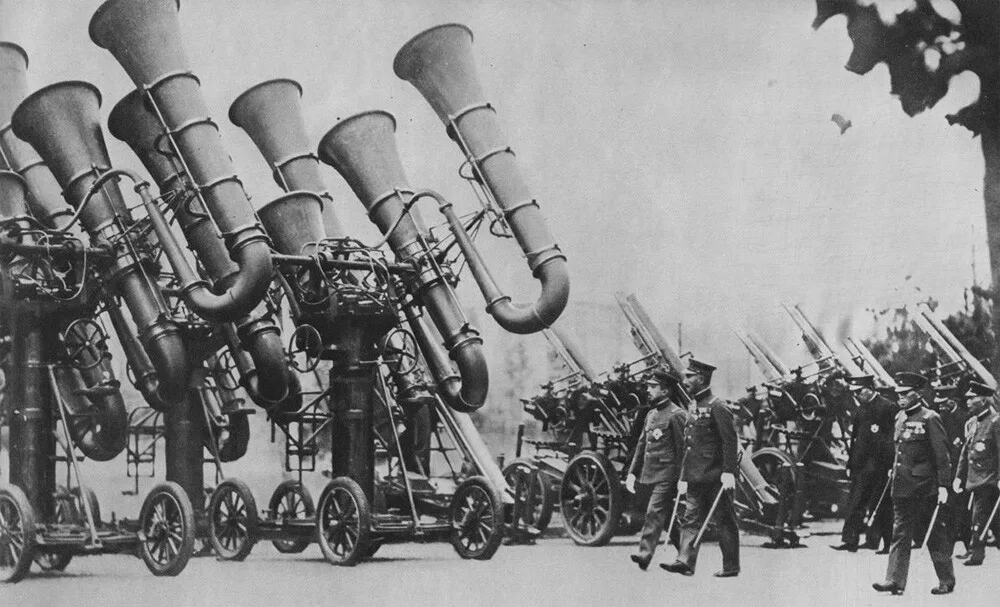
Blast from the Past: Exploring War Tubas – The Sound Locators of Yesteryears
When it comes to innovation in warfare, we often think of advanced technologies like radar, drones, and stealth bombers. However, there was a time [read more...]
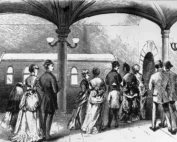
Pneumatic Tube Trains – a Lost Antiquitech
Before electrified rails and billion-dollar transit fantasies, cities flirted with a quieter idea: sealed tunnels, air pressure, and human cargo. Pneumatic tube trains weren’t [read more...]

Tartaria and the Soft Reset: The Case for a Quiet Historical Overwrite
Civilizations don’t always collapse with explosions and monuments toppling. Sometimes they dissolve through paperwork, renamed concepts, and smoother stories. Tartaria isn’t a lost empire [read more...]

“A problem cannot be solved by the same consciousness that created it.” – Albert Einstein
“A problem cannot be solved by the same consciousness that created it.” - Albert Einstein

Tartaria: What the Maps Remember
History likes to pretend it has perfect recall, but old maps keep whispering otherwise. Somewhere between the ink stains and the borderlines, a ghost [read more...]