
The Hijacked Brain: When Pleasure Becomes Prison
The brain isn’t evil. It just has a peculiar taste for betrayal, especially when it comes to pleasure. Drugs, booze, and other addictive substances don’t just hijack your evenings—they seize your neurons, rewiring your reward circuits until joy itself feels like a lie.
The Reward Circuit Hijack
The human brain is hardwired to repeat behaviors that sustain life, linking survival actions with pleasure. Eating, bonding, and sex release dopamine, reinforcing behavior. Addictive drugs take this natural system and amplify it, sometimes releasing up to ten times the dopamine of ordinary rewards, creating floods of pleasure that your brain isn’t prepared to manage.
Pleasure becomes prison when your neurons start holding a grudge against joy itself. #addictionscience #neurobiology Share on X

When pleasure becomes prison, neurons write the rules.
Dopamine Overload and Adjustment
Within minutes of use, addictive substances overstimulate the reward system, producing euphoria that motivates repeated consumption. To cope, the brain reduces its baseline dopamine activity. Suddenly, ordinary pleasures fade. Users require more substance to feel the same rush, and the cycle tightens, hijacking normal motivation and desire.
Your brain recalibrates against you, making ordinary joy seem like a distant memory. #neuroscience #drugaddiction Share on X
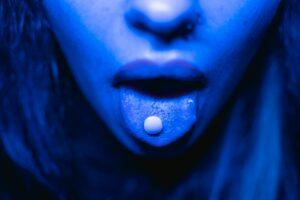
The reward system’s rebellion: euphoria with consequences.
Structural Changes and Compulsions
Chronic drug use physically alters the brain, affecting motivation, decision-making, learning, and self-control. Imaging studies reveal changes at cellular and genomic levels. The reward circuit desensitizes, and compulsive drug-seeking behavior emerges. Life’s natural hierarchies—family, work, relationships—are overshadowed by cravings and dopamine-driven obsession.
The more you chase the high, the more your brain forgets why anything else matters. #addiction #brainbiology Share on X

Dopamine flood gates opened: brain circuits under siege.
Hijacked Priorities and the New Normal
Addiction reshapes the brain’s priorities. Habits become compulsions, pleasure circuits skewed, and previously meaningful activities fade into irrelevance. The result isn’t weakness—it’s the neurological consequence of overstimulation, rewiring, and survival instincts gone haywire. The brain that once sought balance now demands dopamine at all costs.
When neurons take the wheel, your life’s priorities become the dopamine route. #neuropsychology #pleasuretrap Share on X

Addiction isn’t moral failure—it’s a biochemical mutiny.
A quick overview of the topics covered in this article.
How do ya like my little magazine? Neurodope Magazine is a sardonic, science-meets-philosophy publication that explores the strange, the curious, and the mind-bending corners of reality with wit, skepticism, and insight.
If this kind of brain static hits your frequency, subscribe for articles to your inbox. I try to look deeper into things and write about them: commentary on society, science, and space.. After all, there's a whole lot of unknown unknowns out there.. and I'm curious to the ideas surrounding them. Thanks for reading! - Chip
Latest articles

Did Hitler live to old age in Argentina?
What if the concluding scene for Adolf Hitler wasn’t a poison-pilled bunker but a beach house in Argentina? In the book, Hitler’s Exile by [read more...]

Addicted to Certainty: Why Our Brains Love Dogma
Addiction to Certainty has been with us since the first brain learned to recognize a pattern in fire, in predators, in the seasons. Our [read more...]

Puppy Farms: The Good, the Bad and the Ugly of Dog Rescue
Puppy farms. The name alone sounds like something out of a Pixar spinoff — fuzzy optimism in pastel colors. But peel back the chew [read more...]