
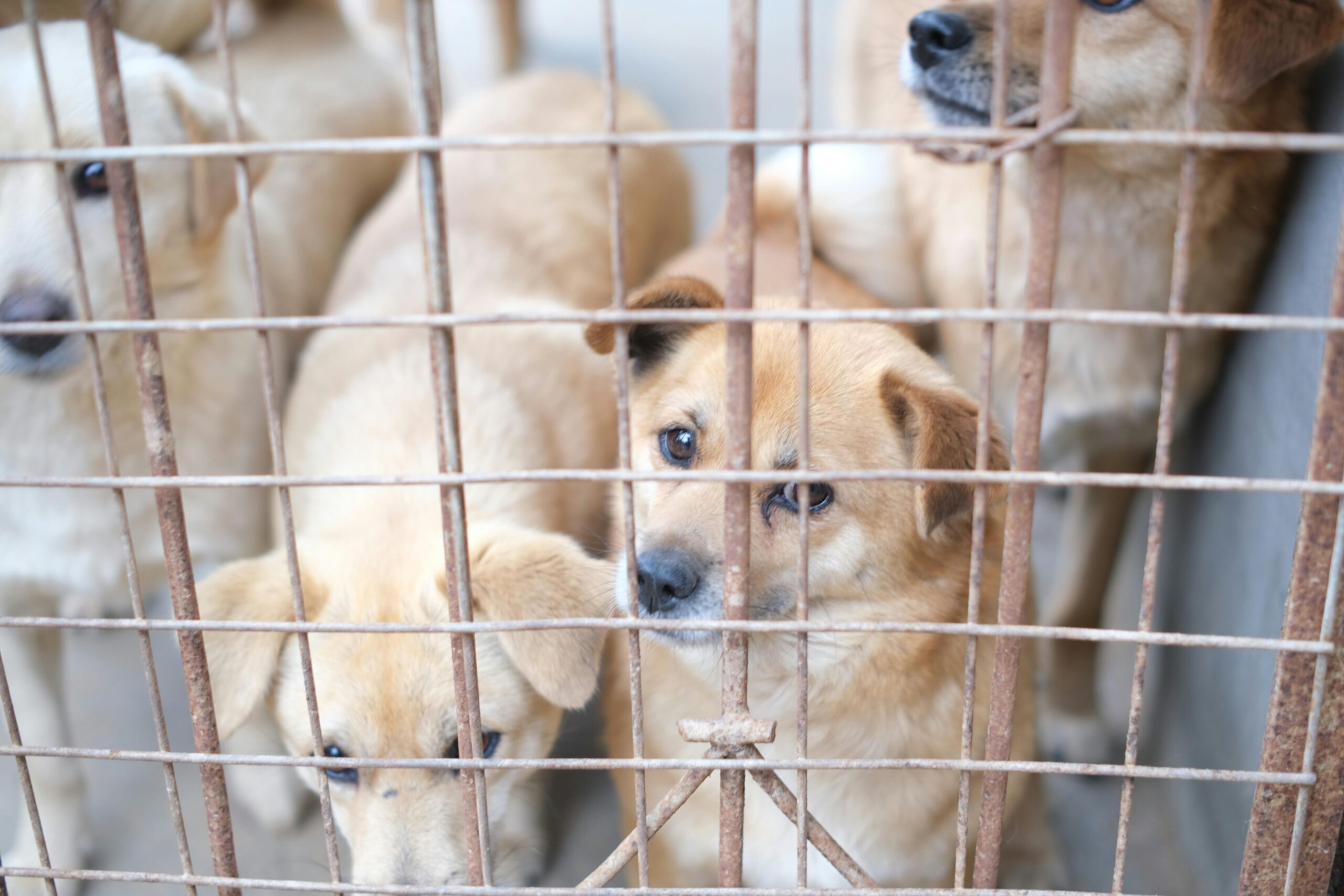
Puppy Farms: The Good, the Bad and the Ugly of Dog Rescue
Puppy farms. The name alone sounds like something out of a Pixar spinoff — fuzzy optimism in pastel colors. But peel back the chew toys and heart emojis, and you’ll find one of the murkiest corners of modern compassion: the dog rescue economy. It’s a system that thrives on guilt, goodness, and the strange human need to feel like a savior. You think you’re saving a life — and you are — but the ecosystem built around that act of mercy is far from purebred.
The Good: Redemption Tails
Rescue stories are emotional gold. The lonely dog in the shelter with eyes like poetry, waiting for a second chance. The broken human who finds healing through a rescued soul. It’s as close as you can get to a Hallmark redemption arc without the corporate music rights. Real rescue organizations do beautiful work: they pull animals from hoarding situations, from the chaos of streets and disaster zones, from homes where owners have passed away and left loyal creatures behind. When you adopt one, you’re not just saving that dog — you’re freeing up a space for another desperate animal to survive. That’s the math of mercy. It feels good, it is good, and it restores faith in humanity, one wagging tail at a time.
“Rescue one, and you’re really rescuing two — but only if everyone’s playing by the rules. #DogRescue #AdoptDontShop #AnimalWelfare” share this

A halo can hide a hustler.
The Bad: The Business of Benevolence
But behind every golden retriever with a sad backstory, there’s paperwork, politics, and profit. The rescue industry has grown into a lucrative ecosystem of donations, sponsorships, and social clout. The line between compassion and commerce is thin. Adoption fees rival breeder prices. “Charities” that operate as nonprofits often keep little transparency on where funds go. The emotional currency of saving lives turns into a marketing tool — pictures of sad eyes and dramatic “before and after” shots sell empathy by the click. It’s not the dogs’ fault. It’s just that people discovered virtue has a market value. When compassion becomes a commodity, the halo starts to rust.
“There’s money in misery — and puppies sell better than politics. #RescueFraud #CharityWatch #DogAdoption” share this
The Ugly: Wolves in Rescue Clothing
Enter the dark side: the backyard breeder with a heart-shaped logo. These aren’t rescuers; they’re entrepreneurs in disguise. They fabricate stories about “abandoned” dogs that were actually bred for profit. They host fundraisers, tug at emotions, and pocket the proceeds. Volunteers do the dirty work — feeding, cleaning, social posting — while the orchestrator cashes in. It’s exploitation with good PR. Some of these operations import animals under the guise of rescue, flooding shelters and creating a cycle of deceit and dependency. It’s a brilliant scam — sell empathy, collect applause, repeat. The moral of the story? Do your due diligence. The dog you save deserves an honest rescue, not a hustler with a halo.
“If a rescue smells like money, it’s probably not a rescue. #PuppyMills #EthicalAdoption #AnimalRights” share this

True rescue work happens far from Instagram and donation links.
No Kill Shelters and Some Good News
Long before social media turned compassion into content, organized dog rescue began in 19th-century England with societies like the RSPCA, which initially focused on workhorses and livestock. After World War II, when cities were flooded with displaced animals, the concept of humane adoption took hold. The modern rescue movement exploded in the 1990s with the rise of “no-kill” shelters and social media campaigns. Today, the rescue industry is estimated to channel billions globally in donations and volunteer labor. For every genuine shelter worker covered in dog hair, there’s a marketer running an online “rescue” out of a backyard. The good news? The real organizations are transparent — their books are open, their adoption practices ethical, and their dogs genuinely rescued. The bad news? Fraud sometimes hides behind the hashtags.
References:
A quick overview of the topics covered in this article.
Latest articles
The Cognitive Rent Economy: How Every App Is Leasing Your Attention Back to You
You don’t lose your attention anymore. You lease it. Modern platforms don’t steal focus. They monetize it, slice it into intervals, and return it [read more...]

AI Is an Opinionated Mirror: What Artificial Intelligence Thinks Consciousness Is
Artificial intelligence thinks it sees us clearly. It does not. It is staring into a funhouse mirror we built out of math, bias, hunger [read more...]

The Age of the Aeronauts: Early Ballon flights
Humans have always wanted to rise above the ground and watch the world shrink beneath them without paying a boarding fee or following traffic [read more...]

Free Energy from the Ether – from Egypt to Tesla
Humans have always chased power from the invisible. From the temples of Egypt to Tesla’s lab in Colorado, inventors sought energy not trapped in [read more...]

The Philosophy of Fake Reality: When Simulation Theory Meets Neuroscience
What if reality isn’t breaking down—but revealing its compression algorithm? Neuroscience doesn’t prove we live in a simulation, but does it show the brain [read more...]
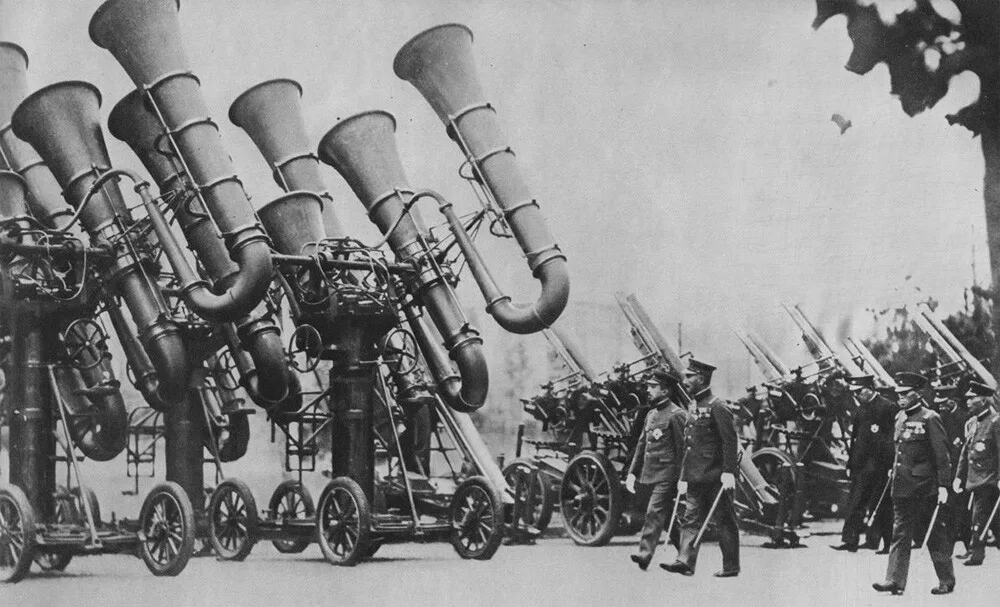
Blast from the Past: Exploring War Tubas – The Sound Locators of Yesteryears
When it comes to innovation in warfare, we often think of advanced technologies like radar, drones, and stealth bombers. However, there was a time [read more...]

Pneumatic Tube Trains – a Lost Antiquitech
Before electrified rails and billion-dollar transit fantasies, cities flirted with a quieter idea: sealed tunnels, air pressure, and human cargo. Pneumatic tube trains weren’t [read more...]

Tartaria and the Soft Reset: The Case for a Quiet Historical Overwrite
Civilizations don’t always collapse with explosions and monuments toppling. Sometimes they dissolve through paperwork, renamed concepts, and smoother stories. Tartaria isn’t a lost empire [read more...]

“A problem cannot be solved by the same consciousness that created it.” – Albert Einstein
“A problem cannot be solved by the same consciousness that created it.” - Albert Einstein

Tartaria: What the Maps Remember
History likes to pretend it has perfect recall, but old maps keep whispering otherwise. Somewhere between the ink stains and the borderlines, a ghost [read more...]


