
Plankton Sucks CO2 Like a Boss
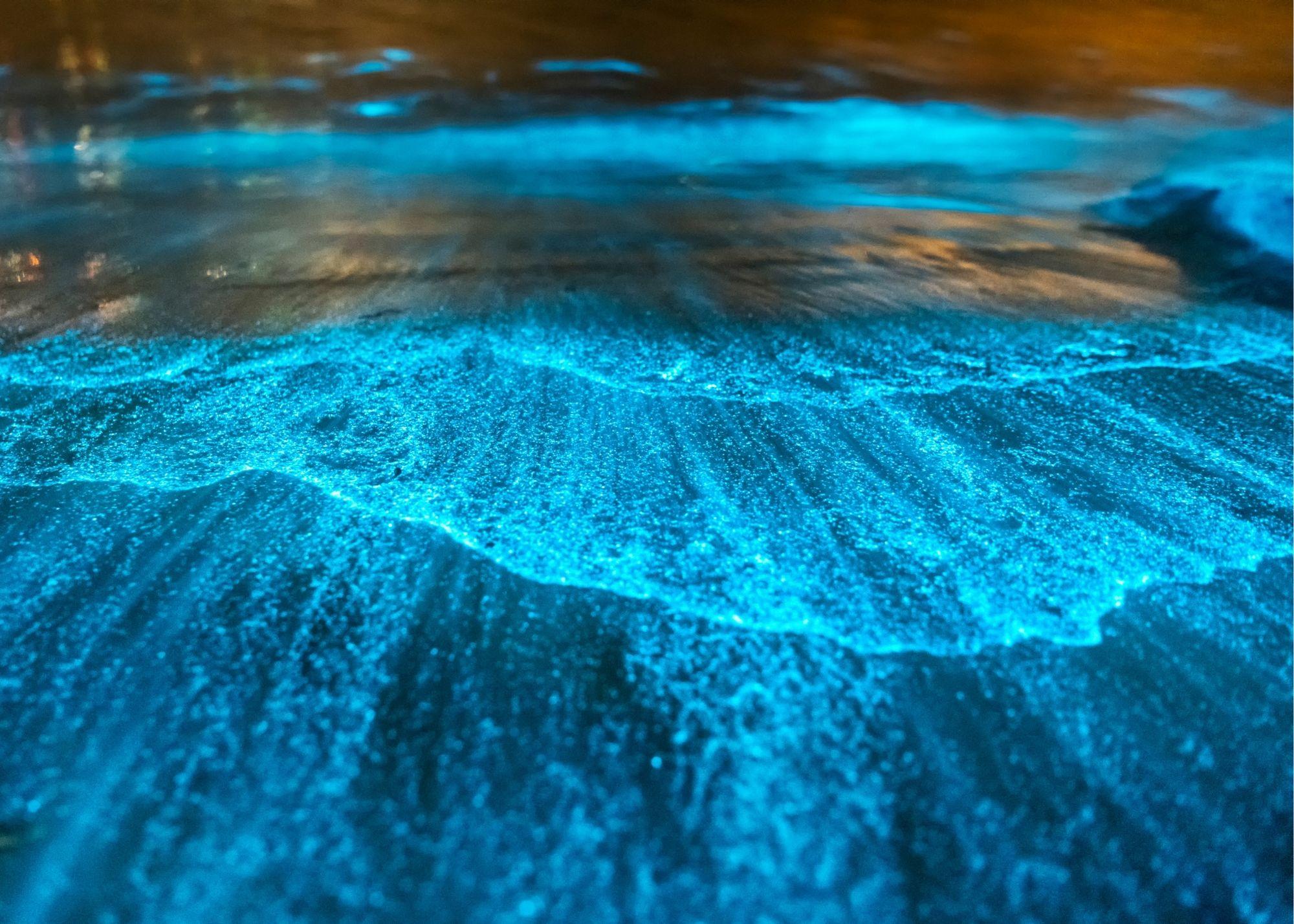
Scientists have unveiled the most comprehensive analysis ever undertaken of the world’s ocean plankton, the tiny organisms that serve as food for marine creatures such as the blue whale, but also provide half the oxygen we breathe.
The international team of researchers spent three and a half years aboard the schooner Tara, taking 35,000 samples of plankton from 210 sites globally, determining the distribution of the organisms, tracking how they interact with one another and carrying out genetic analyses.
Plankton include microscopic plants and animals, fish larvae, bacteria, viruses and other microorganisms that drift in the oceans.
“Plankton are much more than just food for the whales,” says Chris Bowler, a research director at France’s National Centre for Scientific Research, and one of the scientists involved in the studies published in Science today.
“Although tiny, these organisms are a vital part of the Earth’s life support system, providing half of the oxygen generated each year on Earth by photosynthesis and lying at the base of marine food chains on which all other ocean life depends.”
By removing carbon dioxide from the atmosphere and converting it into organic carbon via photosynthesis, plankton provide a buffer against the increased carbon dioxide being generated by the burning of fossil fuels, Bowler says.
The scientists conducted the largest DNA sequencing effort ever done in ocean science, pinpointing around 40 million plankton genes, most previously unknown.
A quick overview of the topics covered in this article.
How do ya like my little magazine? Neurodope Magazine is a sardonic, science-meets-philosophy publication that explores the strange, the curious, and the mind-bending corners of reality with wit, skepticism, and insight.
If this kind of brain static hits your frequency, subscribe for articles to your inbox. I try to look deeper into things and write about them: commentary on society, science, and space.. After all, there's a whole lot of unknown unknowns out there.. and I'm curious to the ideas surrounding them. Thanks for reading! - Chip
Latest articles

Rene Descartes [1596-1650] The First Conspiracy Theorist
Rene Dscartes was born in France, and at the age of twenty two moved to Holland, spending most of his life there. He studied [read more...]
CERN: Higgs Bosons, Black Holes, and the Matrix Glitch
CERN: where humans smash particles faster than your imagination can keep up, hunt Higgs bosons like Easter eggs, and sometimes accidentally spawn urban legends [read more...]

The Tartaria Problem: When Lost Empires Start Whispering in the Walls
History has blind spots big enough to drive a continent through. Tartaria is one of them - an empire that may never have existed, [read more...]