
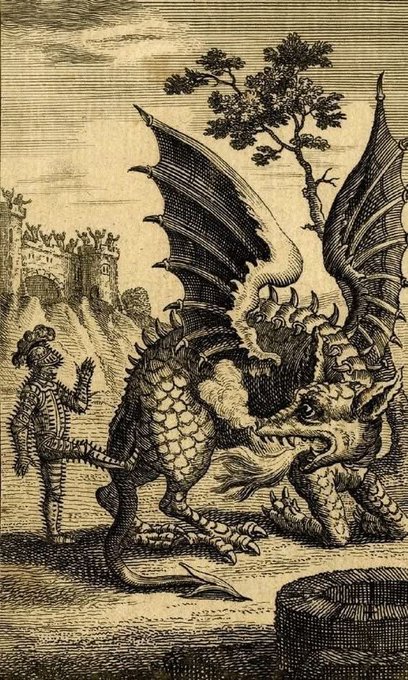
Dragons are Real: Folklore or Hidden Reality?
Dragons weren’t just the fever dreams of medieval artists—they left traces, hints, and echoes throughout history, from bones misidentified as giants to elaborate engravings and paintings. The evidence is scattered, hidden in plain sight, and often dismissed by mainstream science. But when you follow the trail of fossilized remains, historical accounts, and cultural artifacts, a startling picture emerges: dragons were real, feared, and pervasive across human imagination for a reason.
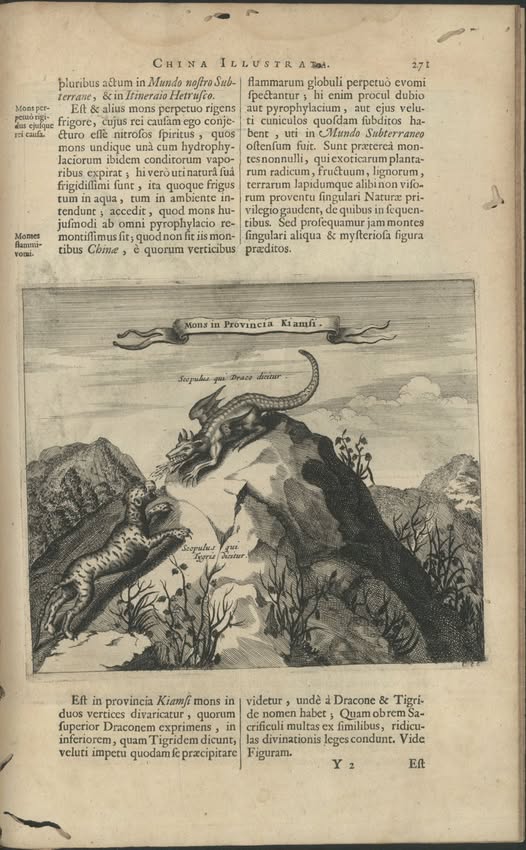
Fossil Bones, Misread for Centuries
Dragons, those winged, fire-breathing behemoths of legend, might not have been mere figments of medieval imagination. Look closer at historical dictionaries: the term “dragon” appears as early as the 13th century, and for centuries it was considered real before fading into “now rare” usage. Engravings, tapestries, and paintings scattered across Europe, Asia, and the Middle East consistently depict creatures with reptilian features, wings, and lethal jaws. One could dismiss them as artistic exaggeration, but the consistency across cultures and continents suggests a shared encounter with something very real. Dinosaur fossils, misidentified over time or dismissed as monsters, may have fueled these stories—or might actually be fragments of these very beasts, long hidden in plain sight. History, as we know it, might have quietly rewritten itself around dragons, burying evidence while keeping the stories alive in myth.
Dragons: dismissed as legend, but the bones never lie. share this
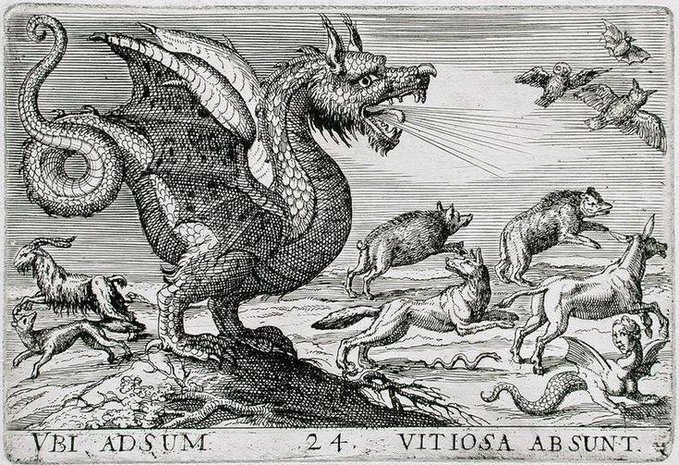
Digging deeper, the accounts are bizarrely specific. Some dragons are aquatic, others sky-borne, but all are portrayed with startling anatomical consistency: scales, claws, elongated skulls. Skeptics claim humans have always seen what they wanted to see, but the anatomical precision in illustrations—sometimes accompanied by real skeletal fragments—suggests observation rather than invention. Dragon bones show up in Chinese imperial collections and even in European monastic libraries labeled as “monstrous serpents” or “wyvern remains.” Somewhere in the dusty corners of museums and libraries, overlooked fragments and engravings may still carry the truth. The implication is unsettling: humanity’s history, taught in schools as a series of rational, linear developments, might actually be punctuated by encounters with creatures far beyond ordinary comprehension.
Engravings, Art, and Written Accounts
From medieval tapestries to Asian scrolls, dragons populate human visual culture with eerie anatomical consistency. They weren’t just fanciful beasts—they were detailed, terrifyingly accurate depictions of creatures witnessed firsthand. Engravings show wings, scales, fire-breathing (possibly mistaken for volcanic reactions), and predatory posture. Ancient texts—Chinese, Persian, and European—describe creatures that can hardly be dismissed as fiction. These aren’t random doodles; they’re recorded observations, a pattern too consistent to ignore.
Art historians call them ‘mythical.’ The dragons in the scrolls disagree. share this
Yet when you compare the proportions of these illustrations to skeletal fragments from the same periods, the fit is uncanny. These dragons don’t behave like allegory; they behave like anatomy students recording reality with whatever tools and ink were at hand.
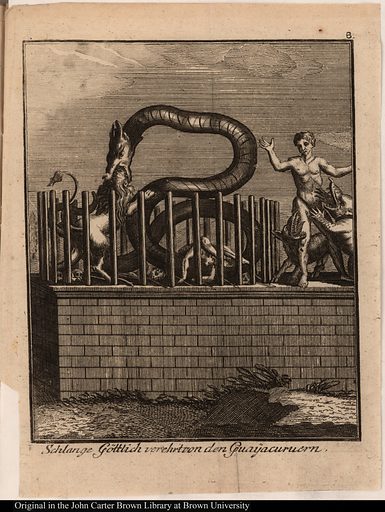
Rewriting History
Even the dictionary concedes dragons existed once, now marked as “rare” or “legendary.” The stories, passed down through generations, weren’t just entertainment—they were warnings, reflections of ecosystems long vanished, and accounts of apex predators humans actually coexisted with. Dinosaur fossils, bones misclassified over centuries, and hidden records hint at an alternate past where dragons roamed the land and sky. Mainstream science may scoff, but the evidence is stubborn. Are dragons extinct, or have we simply buried the truth under layers of skepticism?
Dragons: history edited, fossils ignored, imagination hijacked. share this
What modern science dismisses as folklore or misidentification may be closer to truth than anyone admits. Bones, stories, and images align too precisely to be coincidence. Somewhere in the overlapping evidence—archaeological, historical, and artistic—dragons demand reconsideration, whether academia is ready for it or not.

Dragons captured human awe, fear, and imagination because they existed in some form, leaving enough proof for anyone willing to look. Science may have dismissed them, but the patterns—bones, art, and stories—remain stubborn. Somewhere in the intersection of paleontology and mythology, dragons wait to be acknowledged.
Dragons were terrifying. Dragons were real. And perhaps, in some corner of the world, their echo lingers still.
Dragons may have been more than folklore—they might have been history itself.
Dragons were cataloged, feared, and revered across cultures. Evidence shows the bones we mislabel today, combined with engravings and stories, point to creatures we have politely called “myth.” From Asia to Europe, dragons were apex predators and cultural icons. Historians and archaeologists largely ignored these accounts, burying them beneath layers of narrative bias. But by comparing fossil records, ancient art, and literary descriptions, we see patterns too consistent for coincidence. Modern skepticism doesn’t erase these clues. The past may have been home to creatures that science now calls extinct—but history whispers dragons still existed.
References:

A quick overview of the topics covered in this article.
Latest articles

The Cognitive Rent Economy: How Every App Is Leasing Your Attention Back to You
You don’t lose your attention anymore. You lease it. Modern platforms don’t steal focus. They monetize it, slice it into intervals, and return it [read more...]

AI Is an Opinionated Mirror: What Artificial Intelligence Thinks Consciousness Is
Artificial intelligence thinks it sees us clearly. It does not. It is staring into a funhouse mirror we built out of math, bias, hunger [read more...]

The Age of the Aeronauts: Early Ballon flights
Humans have always wanted to rise above the ground and watch the world shrink beneath them without paying a boarding fee or following traffic [read more...]

Free Energy from the Ether – from Egypt to Tesla
Humans have always chased power from the invisible. From the temples of Egypt to Tesla’s lab in Colorado, inventors sought energy not trapped in [read more...]

The Philosophy of Fake Reality: When Simulation Theory Meets Neuroscience
What if reality isn’t breaking down—but revealing its compression algorithm? Neuroscience doesn’t prove we live in a simulation, but does it show the brain [read more...]
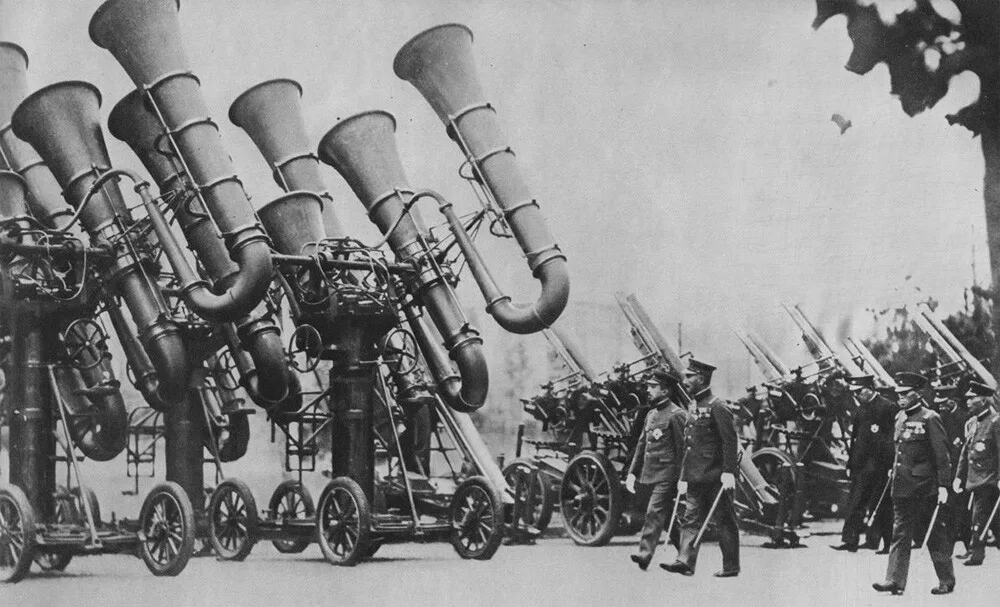
Blast from the Past: Exploring War Tubas – The Sound Locators of Yesteryears
When it comes to innovation in warfare, we often think of advanced technologies like radar, drones, and stealth bombers. However, there was a time [read more...]

Pneumatic Tube Trains – a Lost Antiquitech
Before electrified rails and billion-dollar transit fantasies, cities flirted with a quieter idea: sealed tunnels, air pressure, and human cargo. Pneumatic tube trains weren’t [read more...]

Tartaria and the Soft Reset: The Case for a Quiet Historical Overwrite
Civilizations don’t always collapse with explosions and monuments toppling. Sometimes they dissolve through paperwork, renamed concepts, and smoother stories. Tartaria isn’t a lost empire [read more...]

“A problem cannot be solved by the same consciousness that created it.” – Albert Einstein
“A problem cannot be solved by the same consciousness that created it.” - Albert Einstein

Tartaria: What the Maps Remember
History likes to pretend it has perfect recall, but old maps keep whispering otherwise. Somewhere between the ink stains and the borderlines, a ghost [read more...]