
The Age of the Aeronauts: Early Ballon flights
[addtoany]
Humans have always wanted to rise above the ground and watch the world shrink beneath them without paying a boarding fee or following traffic laws. The Age of the Aeronauts was when we tried this seriously, starting in 1783 with hot air balloons that looked like giant floating laundry sacks. These early flights were as much spectacle as science, complete with smoke, fire, and the occasional panicked spectator. Curiosity and bravado outweighed caution, and for decades humans dared the skies in ways modern airlines would quietly disapprove of.
The Age of the Aeronauts: fire, curiosity, and humans discovering they could leave the ground without asking permission. #BalloonHistory #Aeronauts #Curiosity share this
Montgolfier and the Birth of Human Flight
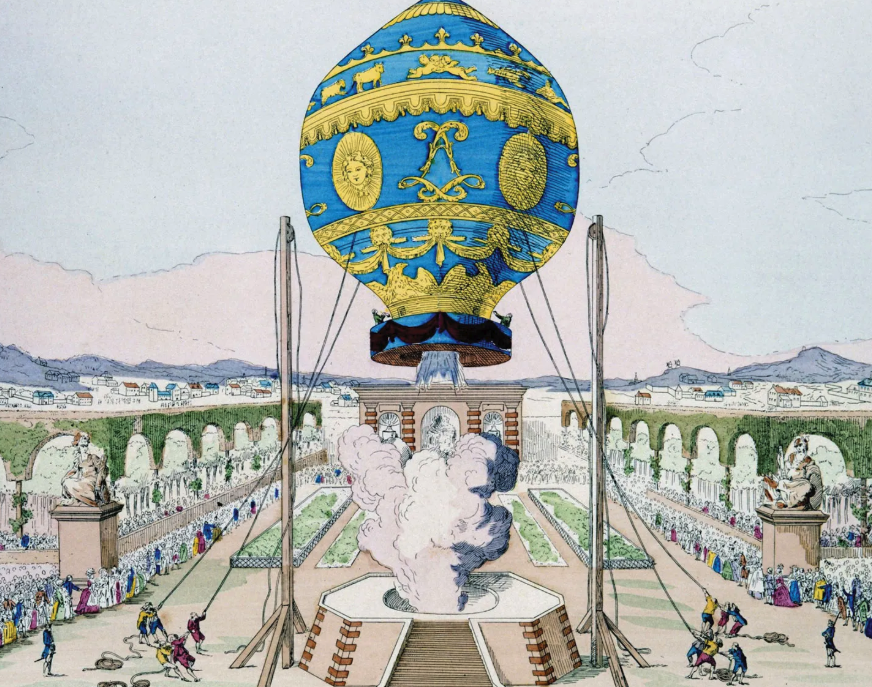
The Montgolfier brothers in France lit a fire under a canvas balloon and watched it rise. Humans were lifted into the sky for the first time while nearby crowds either cheered or fainted. The sensation was a mix of terror, awe, and mild questioning of why anyone thought this was a good idea. Soon, hydrogen filled balloons offered more lift and longer flights, letting inventors dream bigger.
Balloon flights in the 1780s and 1790s were experiments, demonstrations, and occasionally theatre. Engineers experimented with size, shape, and material, testing envelopes, wicker baskets, and rudimentary stability. People strapped themselves into these floating bags of gas and sailed above cities, fields, and rivers, often relying on wind and luck more than skill. Early aeronauts were part scientist, part thrill-seeker, part showman, all desperate to see what the world looked like from above.
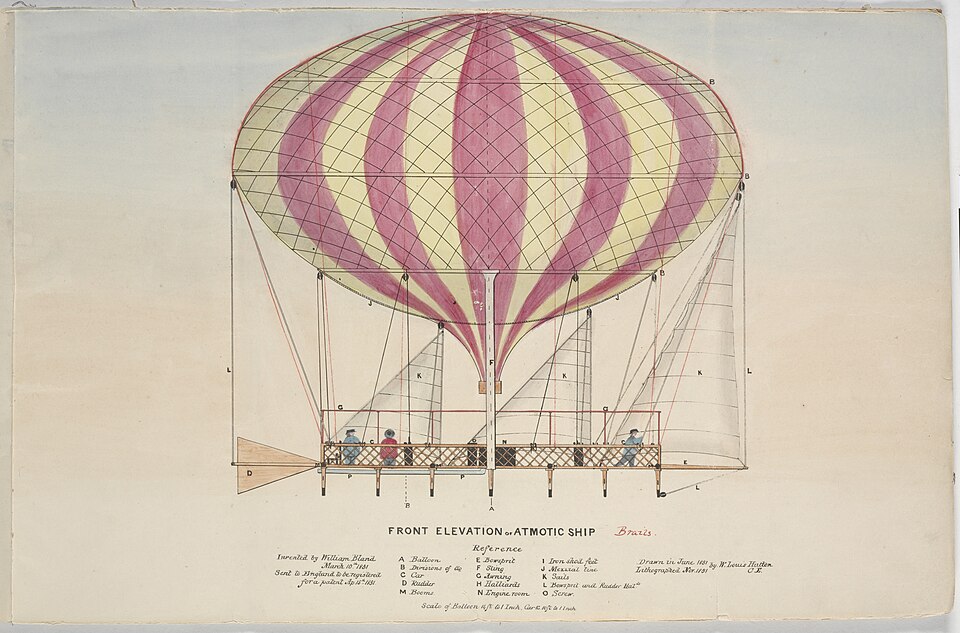
Montgolfier balloons lifted humans into the sky. People screamed, fainted, and learned that curiosity beats caution. #Aeronauts #BalloonFlight #History share this

Innovations Across Decades
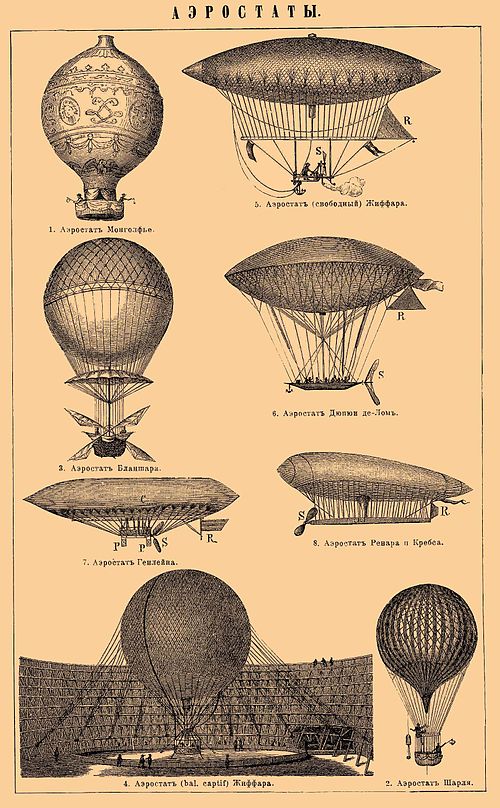
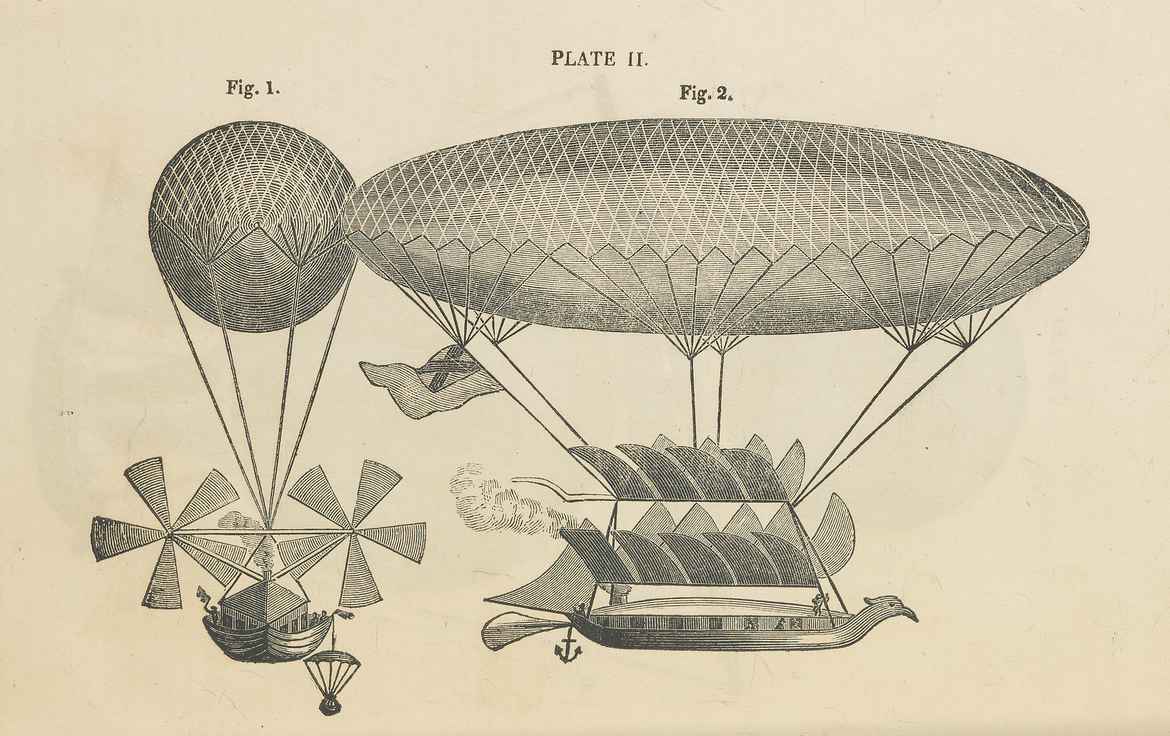
The 19th century saw balloons evolve from spectacle to serious exploration tools. Balloons got bigger, stronger, and slightly less likely to collapse mid-flight. Multiple envelopes were tested, and early steering devices allowed minimal control of direction. Propulsion experiments ranged from human paddles to tiny steam engines, which mostly worked when the pilot ignored physics.
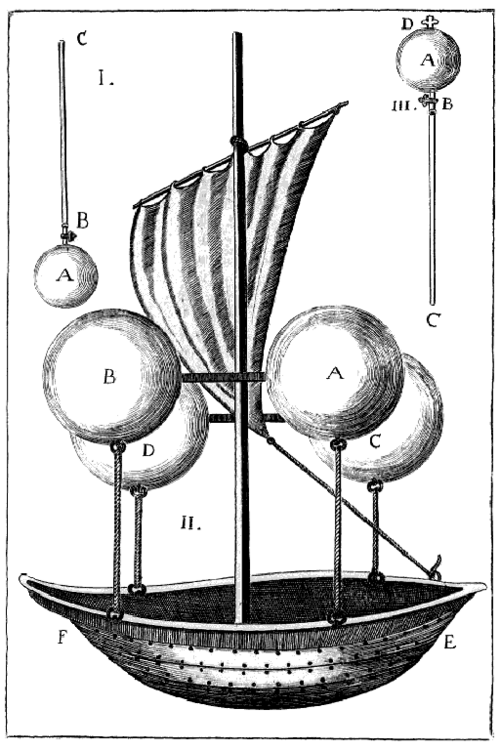
By the mid-1800s, scientists were carrying instruments, passengers, and occasionally animals into the sky. Balloons became platforms for meteorology, military observation, and the occasional daredevil stunt. Engineers added rudimentary gondolas, safety ropes, and shockingly optimistic navigation plans. These vessels gave humans the chance to see Earth from a perspective previously reserved for birds, gods, or the particularly motivated squirrels who climbed the tallest trees.
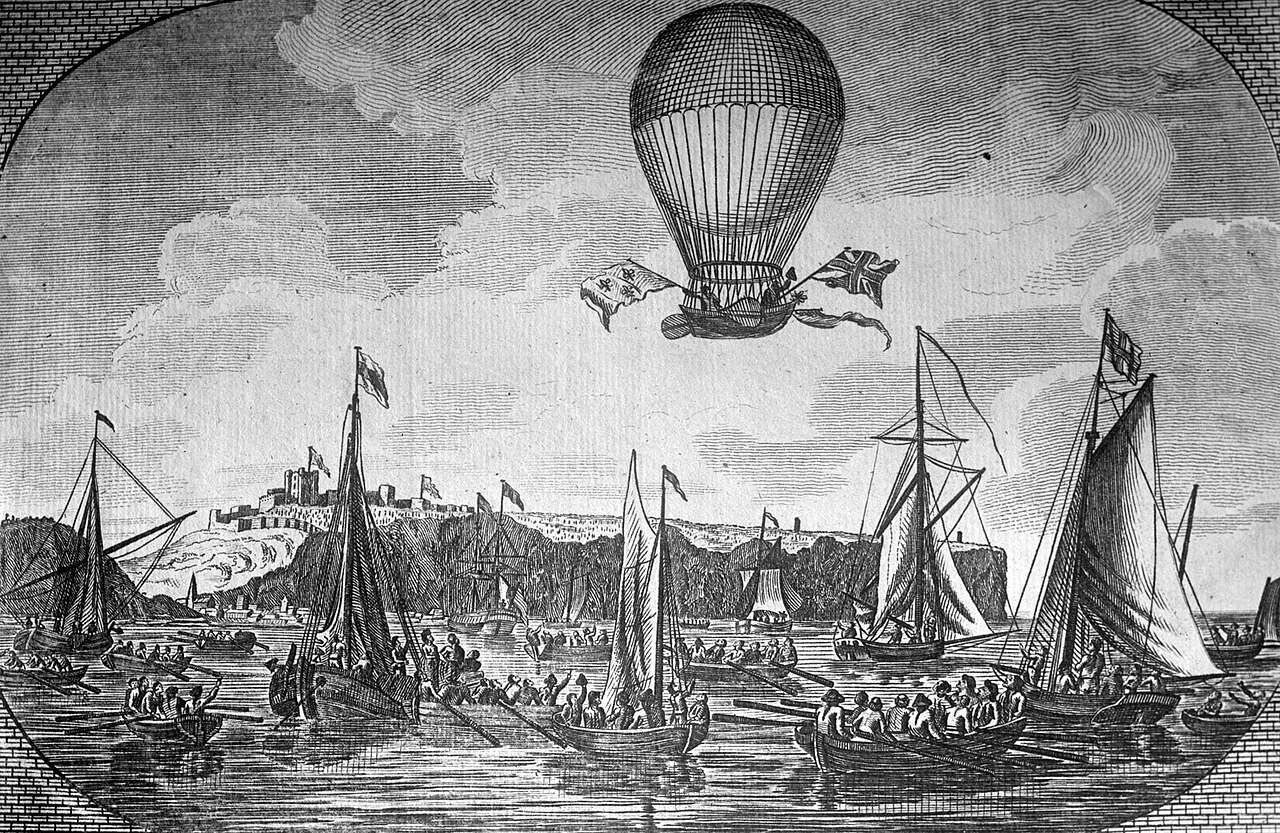
19th century balloons carried passengers, animals, and instruments. Mostly they floated. Sometimes they panicked. Always they inspired awe. #BalloonHistory #Aeronauts #Exploration share this
Aeronauts as Showmen and Scientists
Aeronauts were not just engineers; they were performers. Public exhibitions drew thousands, with balloons rising in carefully choreographed pyrotechnics. Passengers were treated like VIPs, often with silk hats and parasols, watching Earth shrink as music played from bands below. Some aeronauts experimented with gliding, parachuting, or even trying to “steer” by yelling at the wind.
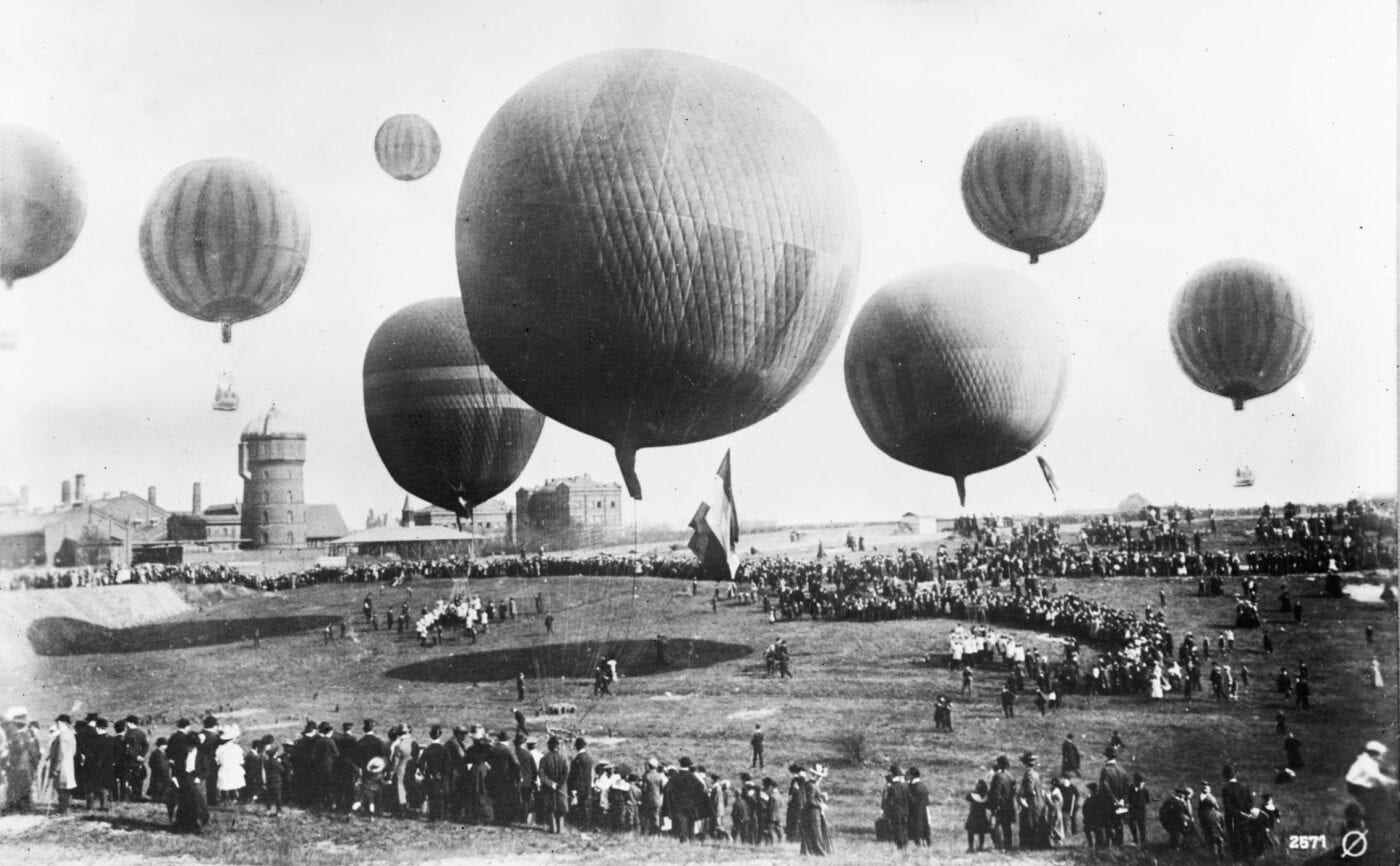
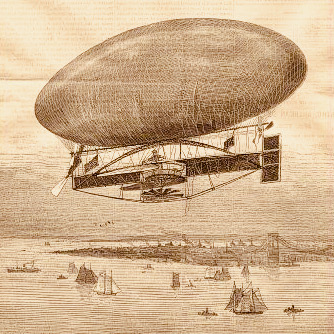
These flights combined ingenuity, danger, and spectacle in a way modern society politely discourages. Engineers experimented with lighter fabrics, improved insulation, and ways to keep the balloon aloft longer. Successes were celebrated. Failures were public and occasionally fiery. Through trial, error, and a healthy disregard for personal safety, humans gradually figured out how to stay in the air with some semblance of control, laying the foundation for airships, dirigibles, and eventually floating hotels.
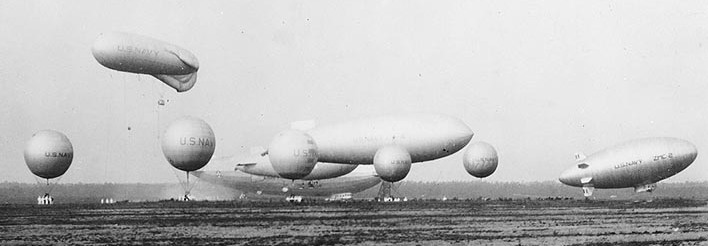
Aeronauts combined science, daring, and showmanship. Sometimes it worked. Sometimes it burned. Always it inspired. #BalloonHistory #Aeronauts #Innovation share this
Legacy of the Aeronauts
The Age of the Aeronauts was a century-long mix of brilliance, stupidity, and audacity. Humans experimented with fire, wind, and gravity in ways that were both ingenious and occasionally terrifying. Early balloons may have seemed like toys or spectacles, but they paved the way for airships, exploration, and the idea that humans could leave the ground with purpose, luxury, and maybe even style.
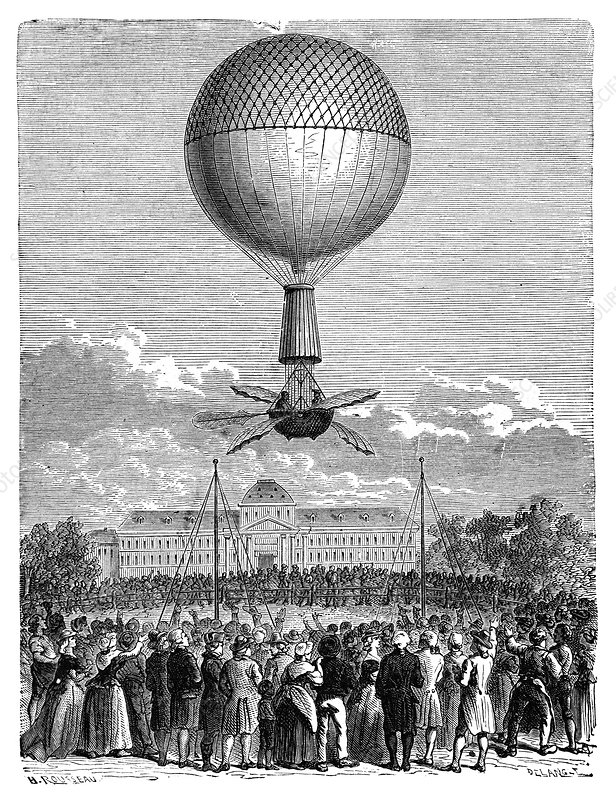
Blanchard’s first balloon flight. 19th-century illustration of the 2 March 1784 balloon ascent by French balloonist Jean Pierre Blanchard (1753-1809) from the Champs de Mars, Paris, France. Blanchard’s balloon had ‘oars’ which were intended to be used to ‘row’ to La Villette, but the devices were ineffective and the balloon was pushed by the wind across the River Seine and back again. Blanchard crossed the Channel by balloon in 1785, and held many national records for first balloon flights. Artwork from ‘Aerostation – Aviation’ (1911) by French civil engineer Max de Nansouty (1854-1913), part of the ‘Les merveilles de la science’ series of 1867-1891 by Louis Figuier.
Looking back, the aeronauts were the ultimate mix of scientist, daredevil, and circus performer. They flirted with the sky, tested the limits of materials and human courage, and occasionally set a field on fire. Their legacy is still visible in dirigibles, Zeppelins, and the dream of floating freely above the world without anyone asking for a boarding pass.
The Age of the Aeronauts was brilliance, danger, and spectacle. Humans flirted with the sky, and history watched with popcorn. #Aeronauts #BalloonHistory #Innovation share this
[addtoany]

A quick overview of the topics covered in this article.
Latest articles

The Cognitive Rent Economy: How Every App Is Leasing Your Attention Back to You
You don’t lose your attention anymore. You lease it. Modern platforms don’t steal focus. They monetize it, slice it into intervals, and return it [read more...]

AI Is an Opinionated Mirror: What Artificial Intelligence Thinks Consciousness Is
Artificial intelligence thinks it sees us clearly. It does not. It is staring into a funhouse mirror we built out of math, bias, hunger [read more...]

The Age of the Aeronauts: Early Ballon flights
Humans have always wanted to rise above the ground and watch the world shrink beneath them without paying a boarding fee or following traffic [read more...]

Free Energy from the Ether – from Egypt to Tesla
Humans have always chased power from the invisible. From the temples of Egypt to Tesla’s lab in Colorado, inventors sought energy not trapped in [read more...]
The Philosophy of Fake Reality: When Simulation Theory Meets Neuroscience
What if reality isn’t breaking down—but revealing its compression algorithm? Neuroscience doesn’t prove we live in a simulation, but does it show the brain [read more...]
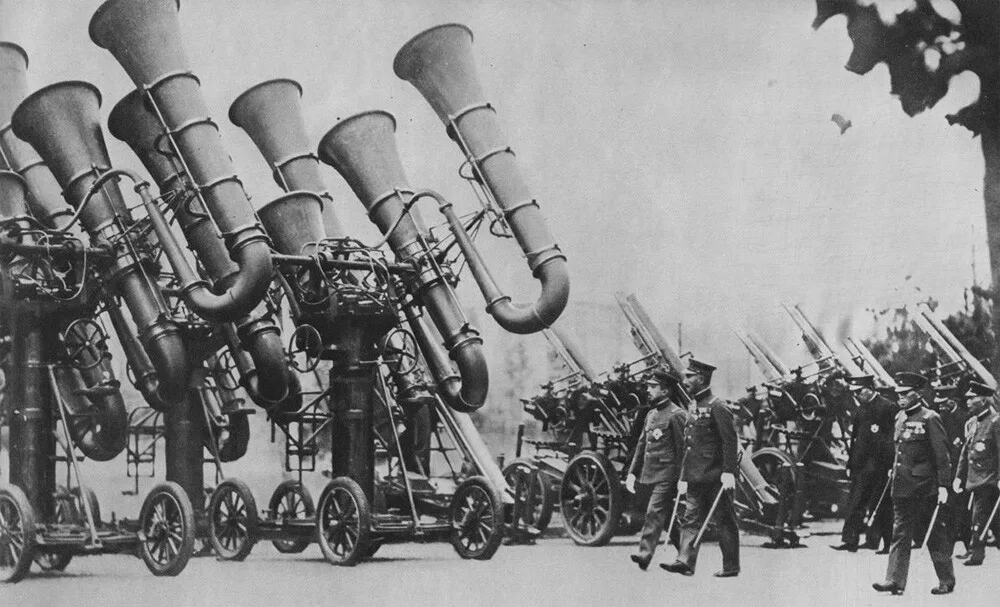
Blast from the Past: Exploring War Tubas – The Sound Locators of Yesteryears
When it comes to innovation in warfare, we often think of advanced technologies like radar, drones, and stealth bombers. However, there was a time [read more...]
Pneumatic Tube Trains – a Lost Antiquitech
Before electrified rails and billion-dollar transit fantasies, cities flirted with a quieter idea: sealed tunnels, air pressure, and human cargo. Pneumatic tube trains weren’t [read more...]
Tartaria and the Soft Reset: The Case for a Quiet Historical Overwrite
Civilizations don’t always collapse with explosions and monuments toppling. Sometimes they dissolve through paperwork, renamed concepts, and smoother stories. Tartaria isn’t a lost empire [read more...]

“A problem cannot be solved by the same consciousness that created it.” – Albert Einstein
“A problem cannot be solved by the same consciousness that created it.” - Albert Einstein
Tartaria: What the Maps Remember
History likes to pretend it has perfect recall, but old maps keep whispering otherwise. Somewhere between the ink stains and the borderlines, a ghost [read more...]


