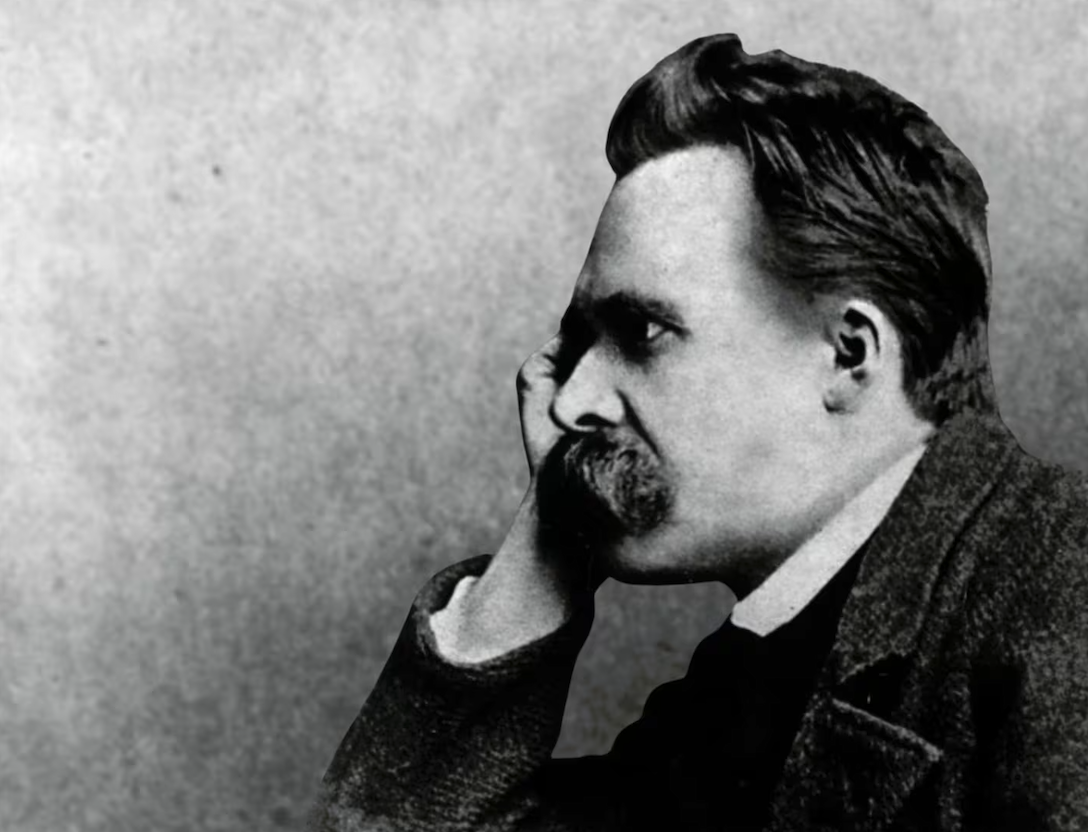
Nietzsche Was an Arrogant Nihilist
Philosophers love to argue that human reason is either a cosmic accident or a cosmic inheritance. Nietzsche bet on accident. The older minds—Plato, Socrates—bet on inheritance. The truth leans heavier toward the divine spark than Nietzsche ever admitted.
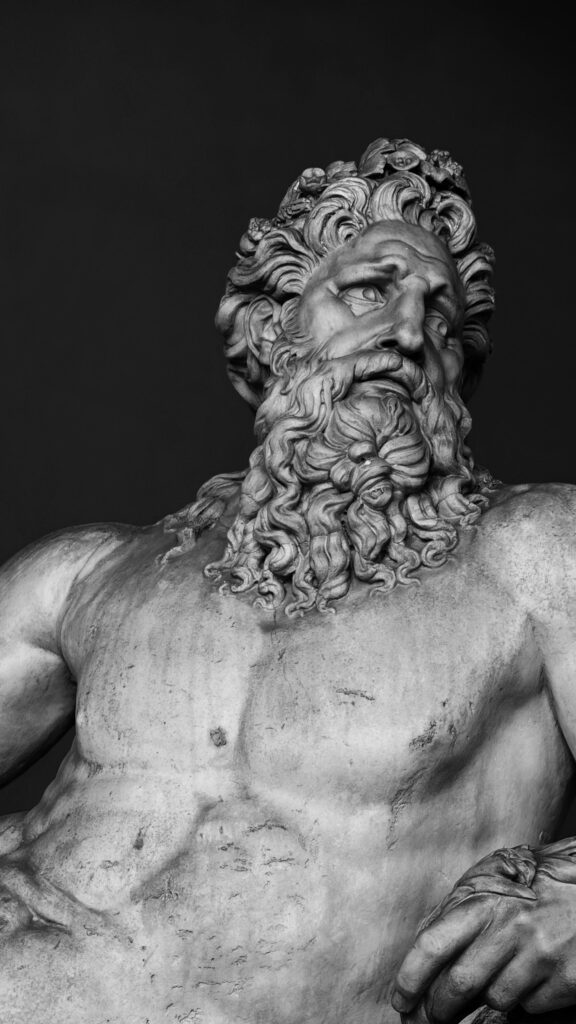
Philosopher’s thoughtful gaze under dramatic divine lighting – worried about future dysfunctional psychiatrists
Nietzsche’s Fragile Reason Problem
Nietzsche framed reason as a flimsy evolutionary ornament, a survival mechanism duct-taped onto an indifferent world. The problem is that this collapses under the weight of its own cynicism. A fragile tool shouldn’t produce civilizations, literature, mathematics, or the very critique Nietzsche used to question it. The man swung a sword made of the same metal he claimed was brittle.
He insisted that logic was merely a byproduct of fear, a trick of the nervous system that let apes outrun predators. But reason routinely does more than keep us alive—it lets us ask metaphysical questions, contemplate infinity, and develop systems of ethics completely divorced from biological necessity. Survival tools don’t reach for the eternal. Humans do.
Nietzsche mistook cynicism for wisdom and called it philosophy. Reason isn’t fragile—his ego was. #Nietzsche #PhilosophyWars #Neurodope share this
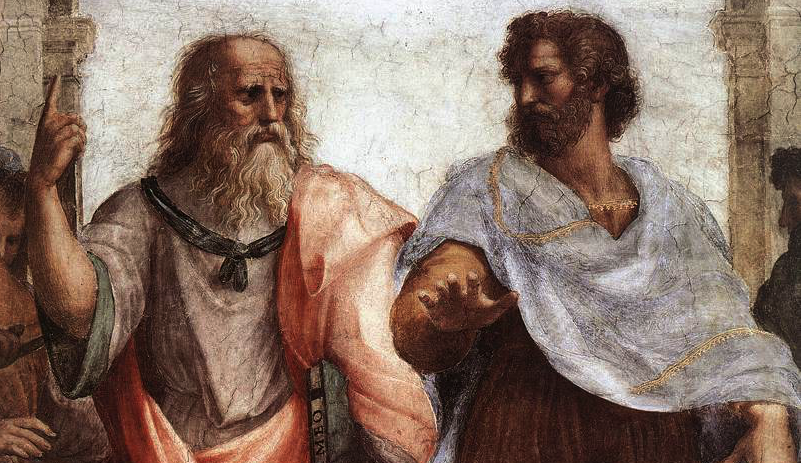
Aristotle forewarning Plato of a future glitch in the matrix
Plato and Socrates Saw Logic as a Ladder to the Divine
Where Nietzsche saw decay, the Greeks saw ascent. Plato argued that reason was the bridge between the material and the eternal, the mechanism by which mortal minds touch the realm of Forms—timeless truths that exist whether or not we happen to be breathing. That’s not survival instinct. That’s metaphysical correspondence.
Socrates believed that knowledge wasn’t invented but remembered—a soul awakening to truths beneath the noise. If truth exists independent of us, and reason lets us grasp it, that’s not evolution—it’s revelation. It implies that the universe is structured intelligibly, and consciousness is the organ tuned to hear its signal.
If reason were just a survival tool, it wouldn’t let us argue with the universe. It would just help us run from wolves. #DivineMind #AncientWisdom #Neurodope share this
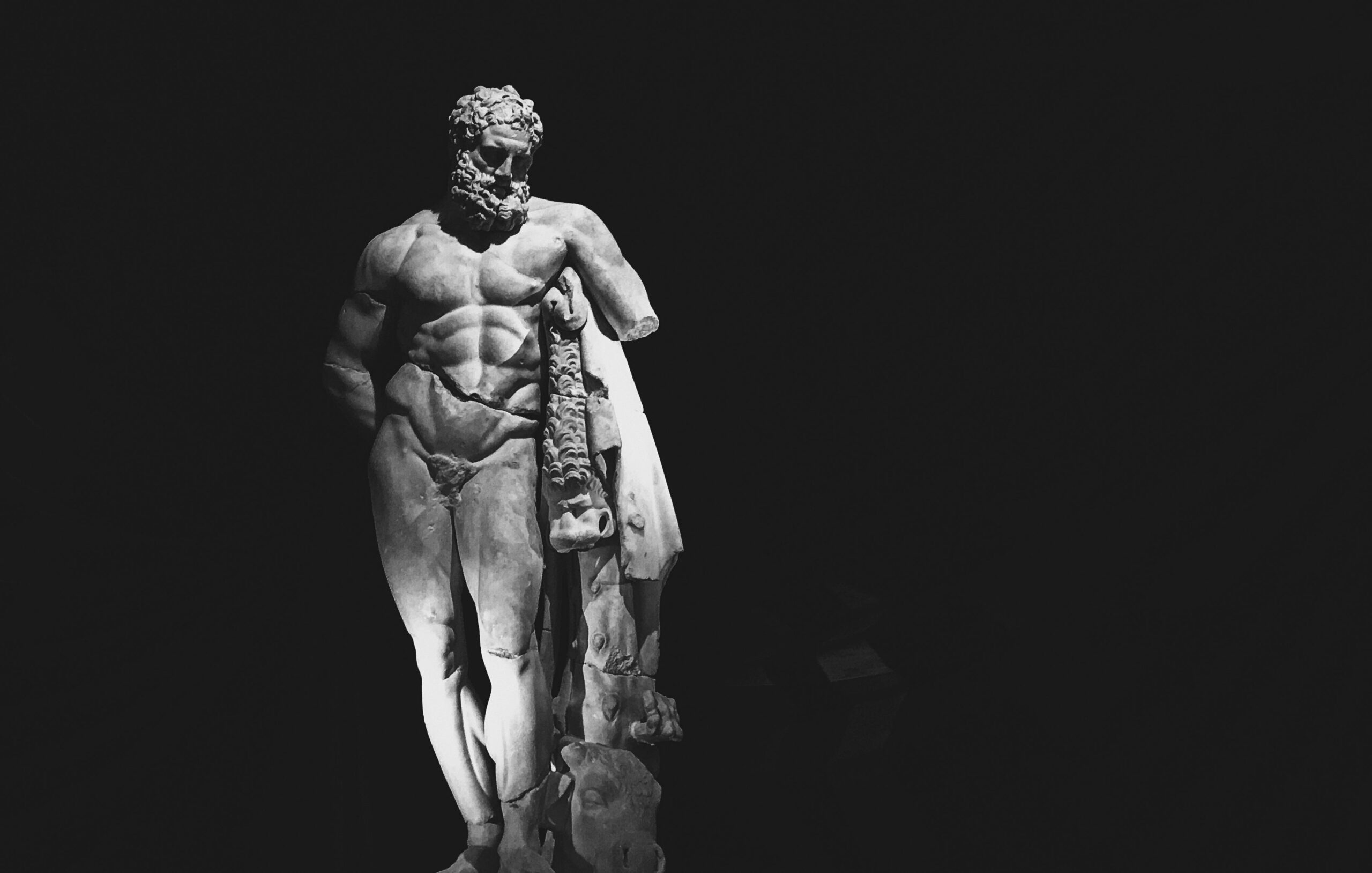
“Clothes? Where we’re going, we don’t need clothes!” – Doc Brown of Athens
Knowledge Behaves Like a Divine Substance, Not an Animal Function
Knowledge isn’t material, but it shapes matter. You cannot weigh the Pythagorean theorem, yet its correctness can guide the architecture of a skyscraper. Truth has no atoms, yet it builds cities. Evolutionary tools don’t normally produce immaterial universals that then reorganize physical reality.
Even creativity—our ability to perceive solutions not yet given—behaves like an antenna picking up transmissions rather than a random firing of neurons. Insight feels received, not constructed, arriving with a strange authority that outstrips evolutionary pragmatism. If consciousness were only a survival adaptation, it would not reach for transcendence with such aggression.
Plato aimed for the eternal. Nietzsche aimed for shock value. One built a ladder to truth; the other kicked it over. #Plato #Reason #Neurodope share this

The human brain: a web of neural fire shaping our reality and awareness.
Nietzsche’s Error: Confusing Cynicism for Wisdom
Nietzsche’s atheistic bravado was compelling, but it blinded him. Calling reason a weak adaptation is convenient only if you want a universe without obligation, without transcendence, without anything higher than the self. But the existence of objective truths—mathematics, logic, moral universals—makes that posture untenable.
The Greeks weren’t naïve; they were observant. When humans pierce beyond instinct and touch ideas that feel older than our bodies, we aren’t stumbling in the dark—we’re discovering something woven into the fabric of reality. Knowledge has the fingerprints of the divine, and reason is the doorway, not the debris.
Knowledge behaves more like revelation than evolution—an inconvenient fact Nietzsche preferred to sneer at. #Consciousness #DivineInspiration #Neurodope share this
Nietzsche wanted a world free of metaphysical obligation, so he reduced reason to a trembling evolutionary tool barely fit for the creatures who wield it. But this doesn’t match the scale of what reason actually does. Knowledge exceeds biology, outruns instinct, and behaves like a substance that waits to be discovered rather than invented. Plato and Socrates understood that the mind’s highest operations don’t arise from animal panic but from alignment with something older, higher, and inherently ordered. Reason is not a glitch—it is the signature of a universe that expects to be understood. And the human mind, in its restless pursuit of truth, keeps proving that the cosmos is not indifferent but intelligible, and that discovery is less accident than invitation.
Sources:
Plato, Republic, Theory of Forms
Plato, Meno, Theory of Recollection
Socratic method texts
Nietzsche, Beyond Good and Evil
A quick overview of the topics covered in this article.
Latest articles

“A problem cannot be solved by the same consciousness that created it.” – Albert Einstein
“A problem cannot be solved by the same consciousness that created it.” - Albert Einstein
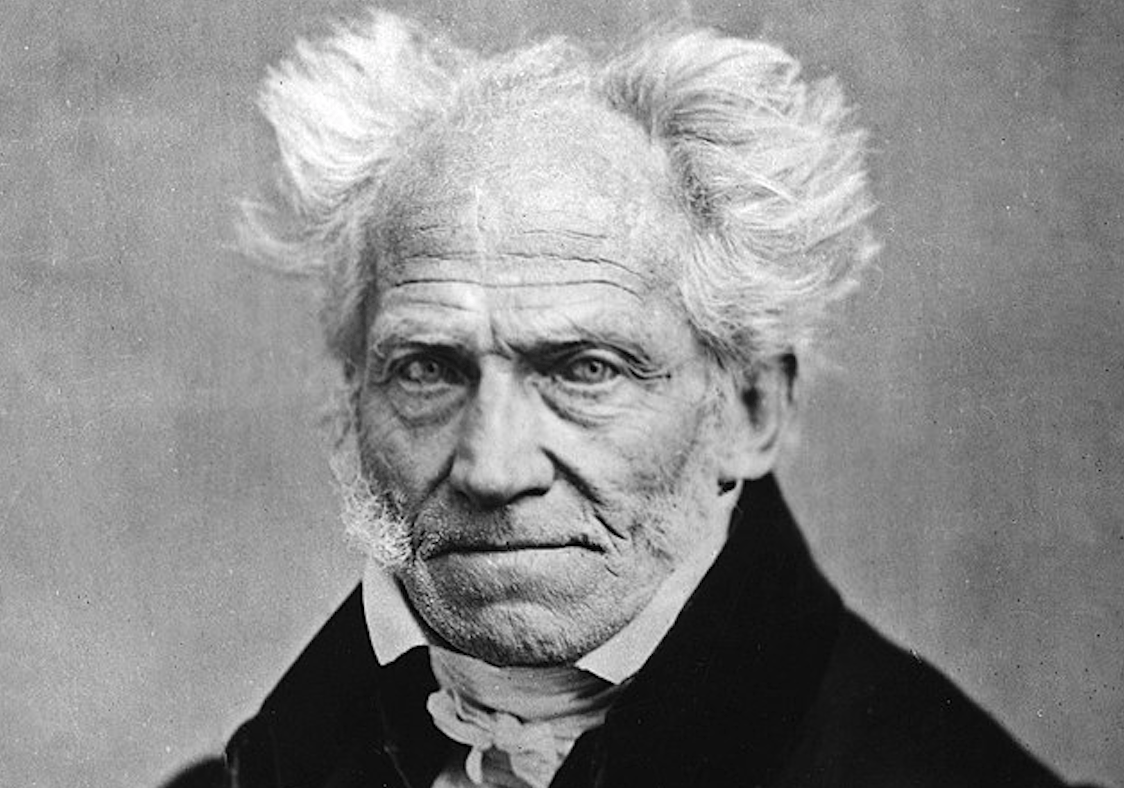
“All truth passes through three stages. First, it is ridiculed. Second, it is violently opposed. Third, it is accepted as being self-evident.” – Arthur Schopenhauer
"All truth passes through three stages. First, it is ridiculed. Second, it is violently opposed. Third, it is accepted as being self-evident." - [read more...]

“The truth is not for all men, but only for those who seek it.” – Ayn Rand
"The truth is not for all men, but only for those who seek it." - Ayn Rand