Bioluminescent Oceans and the Language of Light
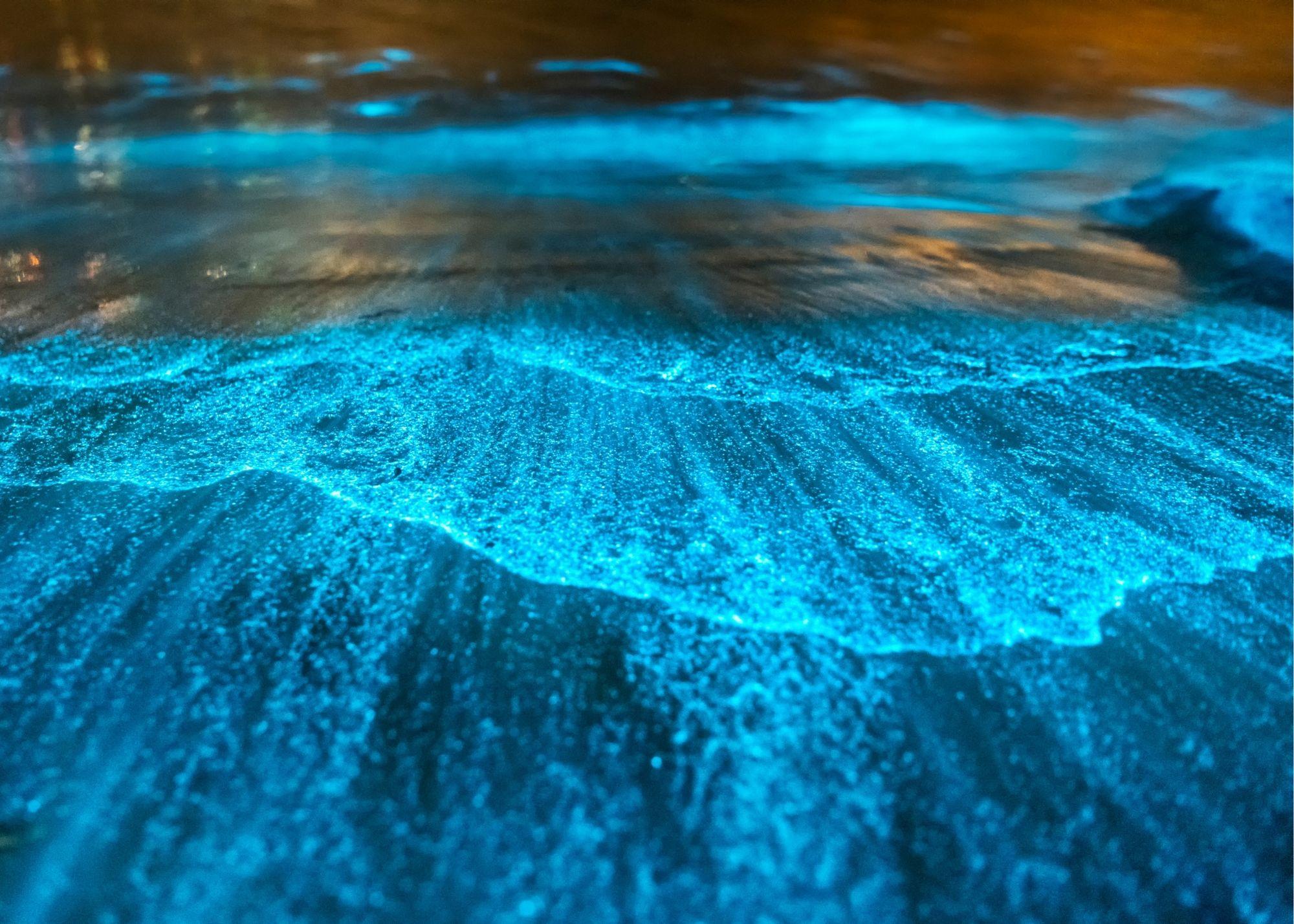
Oceans aren’t just water—they glow, flicker, and speak in pulses of neon. Tiny creatures turn movement and chemistry into dazzling displays, leaving humans mesmerized and predators confused in a cosmic light show billions of years in rehearsal. Bioluminescent oceans give us a language of light.
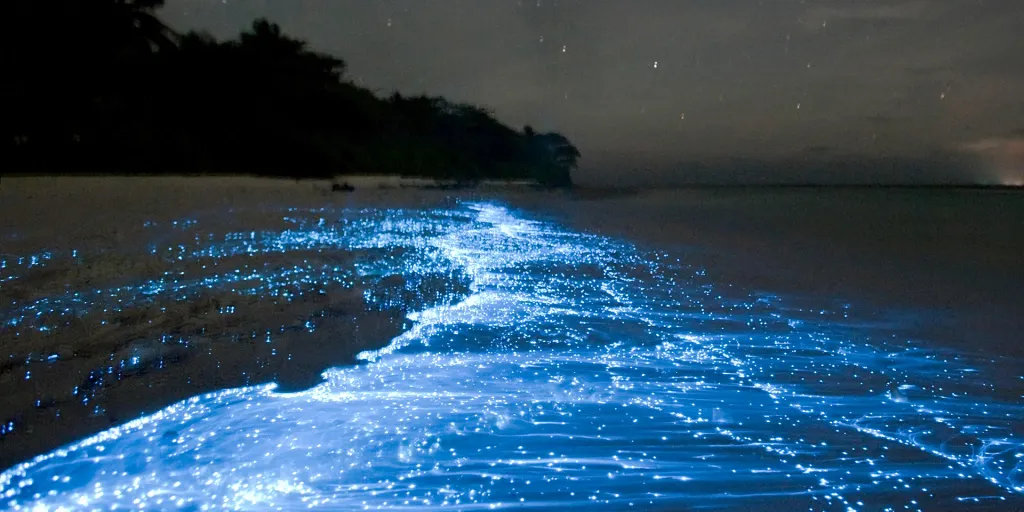
Bioluminescent beach at night: nature’s rave, rehearsed billions of years.
Life in Neon Currents
Bioluminescence originates from chemical reactions in organisms like dinoflagellates and comb jellies, converting movement into visible light. These flickers are survival tools, communication signals, and mating calls, all encoded in a living, underwater Morse code. Observing them helps scientists track plankton abundance, predator-prey behavior, and environmental shifts. Research from NOAA oceanography shows these light shows reveal more about ocean health than satellites ever could.
The ocean writes in light, and we’re just learning to read the glow. Share on X
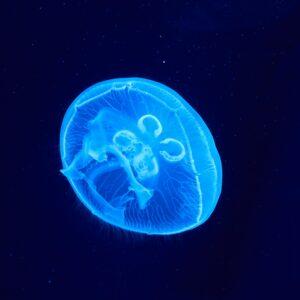
Comb jelly luminescence: tiny creatures, cosmic-level light show.
Pulses as Messages
Some species fine-tune intensity, frequency, and color, effectively “talking” across meters or even kilometers. Scientists have mapped these signals to survival strategies and mating rituals, with studies on photic signaling in plankton revealing complex ecological networks. Imagine a language where every flash matters—millions of pulses shaping life below waves while humans gape from the shore.
Some oceans whisper, some roar, but all glow like unread Morse code. Share on X
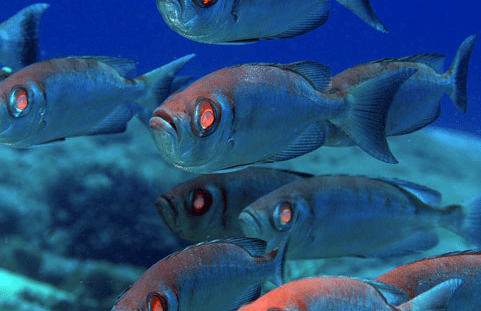
Deep-sea flashlight fish: synchronized eyes and glow for survival.
Night Lights of the Deep
Beyond biology, bioluminescence is spectacle and existential reminder. Glowing beaches and twinkling tides turn humans into audience for a cosmic dance. Each flash is a survival trick, each spark a message, and every glowing wave a poetic conversation between life and the dark, liquid cosmos.
When oceans flicker, even the stars stop to watch. Share on X
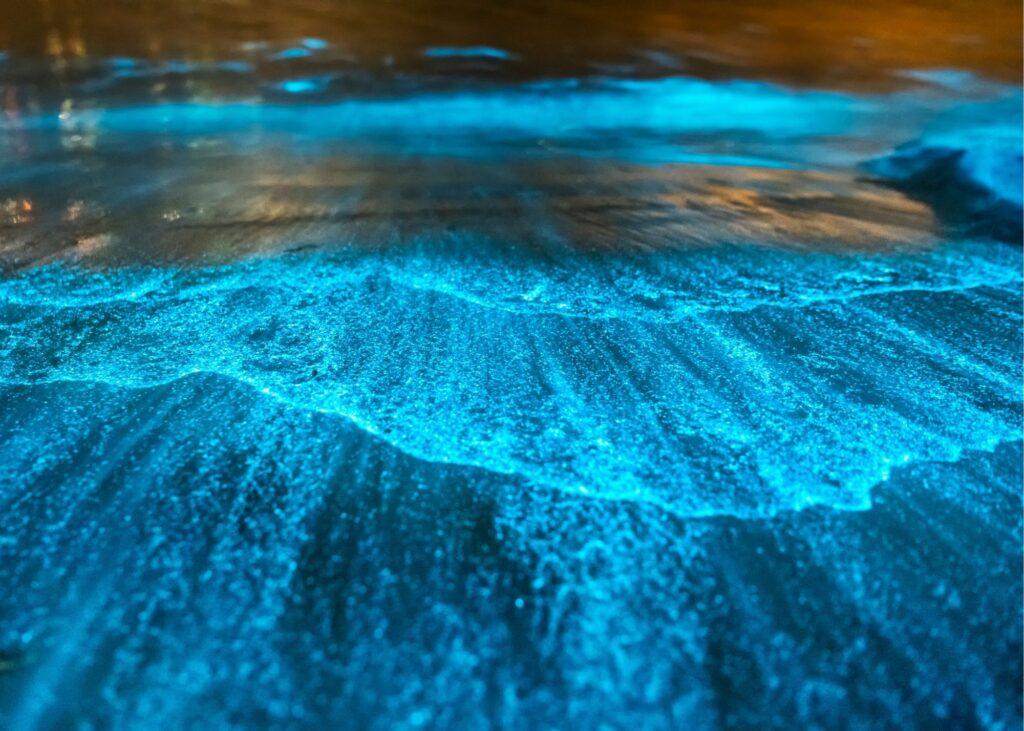
Waves glowing neon: dinoflagellates write oceanic Morse code.
A quick overview of the topics covered in this article.

How do ya like my little magazine? Neurodope Magazine is a sardonic, science-meets-philosophy publication that explores the strange, the curious, and the mind-bending corners of reality with wit, skepticism, and insight.
If this kind of brain static hits your frequency, subscribe for articles to your inbox. I try to look deeper into things and write about them: commentary on society, science, and space.. After all, there's a whole lot of unknown unknowns out there.. and I'm curious to the ideas surrounding them. Thanks for reading! - Chip
Latest articles

Did Hitler live to old age in Argentina?
What if the concluding scene for Adolf Hitler wasn’t a poison-pilled bunker but a beach house in Argentina? In the book, Hitler’s Exile by [read more...]

Addicted to Certainty: Why Our Brains Love Dogma
Addiction to Certainty has been with us since the first brain learned to recognize a pattern in fire, in predators, in the seasons. Our [read more...]

Puppy Farms: The Good, the Bad and the Ugly of Dog Rescue
Puppy farms. The name alone sounds like something out of a Pixar spinoff — fuzzy optimism in pastel colors. But peel back the chew [read more...]