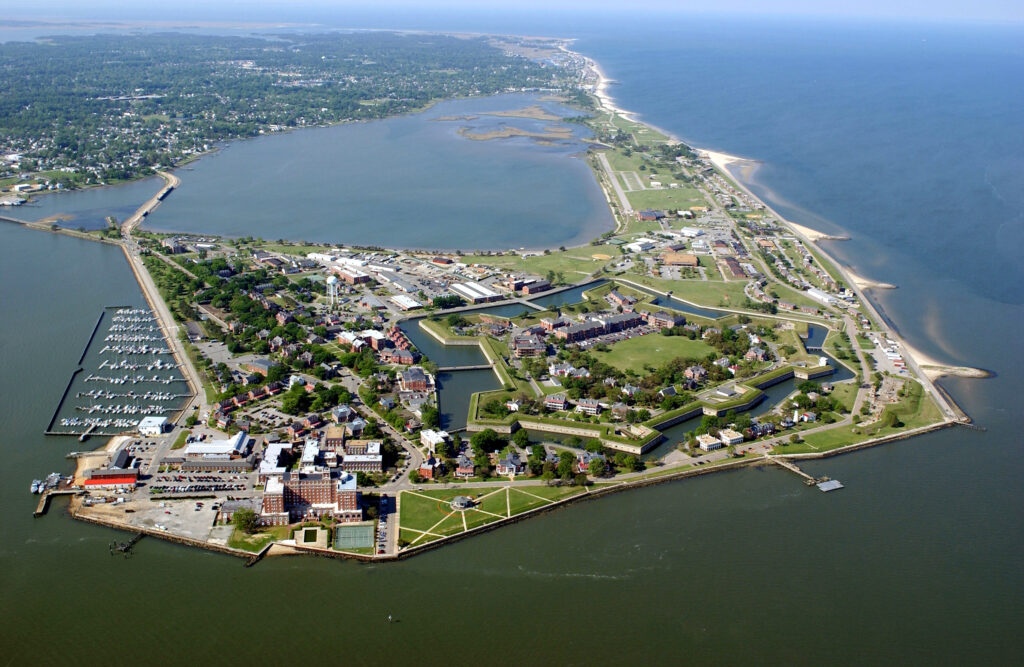
In late August 1619, an English privateer named the White Lion, sailing under a Dutch letter of marque and short on food, dropped anchor at Point Comfort, a sandy spit of land at the mouth of the Chesapeake Bay in the young Virginia colony. Its cargo had been taken by force from a Portuguese slave ship in the Gulf of Mexico: captive Africans from the Kingdom of Ndongo, in what is now Angola. John Rolfe, the colony’s secretary, wrote the transaction down in one flat sentence. The governor and the cape merchant, he recorded, bought “20. and odd Negroes” for victuals, meaning food and supplies.
Two hundred and forty-two years later, on the night of May 23, 1861, three enslaved men crossed the same water in a small boat, rowing away from the Confederate shore toward a massive stone star fort that now stood on the point. The fort was Fort Monroe, the largest stone fort ever built in the United States, and it flew the flag of the Union in a state that had just voted to leave it. The three men were not simply running away. They were running toward something, and they meant to test what that flag was worth. The ground at Old Point Comfort holds both ends of the American slavery story: the landing, and the beginning of the end.
The Neurodope Archives videos are now on Rumble, mirrored on YouTube (the Signal Drift channel), and be sure to follow the Neurodope Archives on Facebook.
Twenty and Odd
The Africans who stepped ashore at Point Comfort in 1619 were the first recorded Africans brought to mainland English America. They had survived capture in Angola, the hold of the slave ship San Juan Bautista on its way to Mexico, and a pirate attack in the Gulf before the White Lion carried them to Virginia. A second privateer, the Treasurer, arrived a few days later with a few more captives from the same ship. The English had known the point for a dozen years by then. Captain John Smith had named it Pointe Comfort in 1607, and colonists had thrown up a small stronghold, Fort Algernon, there in 1609.
What happened to the arrivals was murkier than what came later. Virginia had no law of slavery on its books in 1619, and the first generation’s status sat somewhere between indentured servitude and outright bondage. Some of them eventually became free. Two of them, recorded as Antoney and Isabella, married, and their son William, born a few years after the landing, is the first recorded child of African descent born in English America. The colony spent the next four decades closing every door that generation had slipped through, writing lifetime and hereditary slavery into statute, including a 1662 law decreeing that a child would follow the condition of the mother.
It was written into the record as a grocery trade. It became 246 years of American slavery.
Napoleon’s Engineer Builds a Stone Star
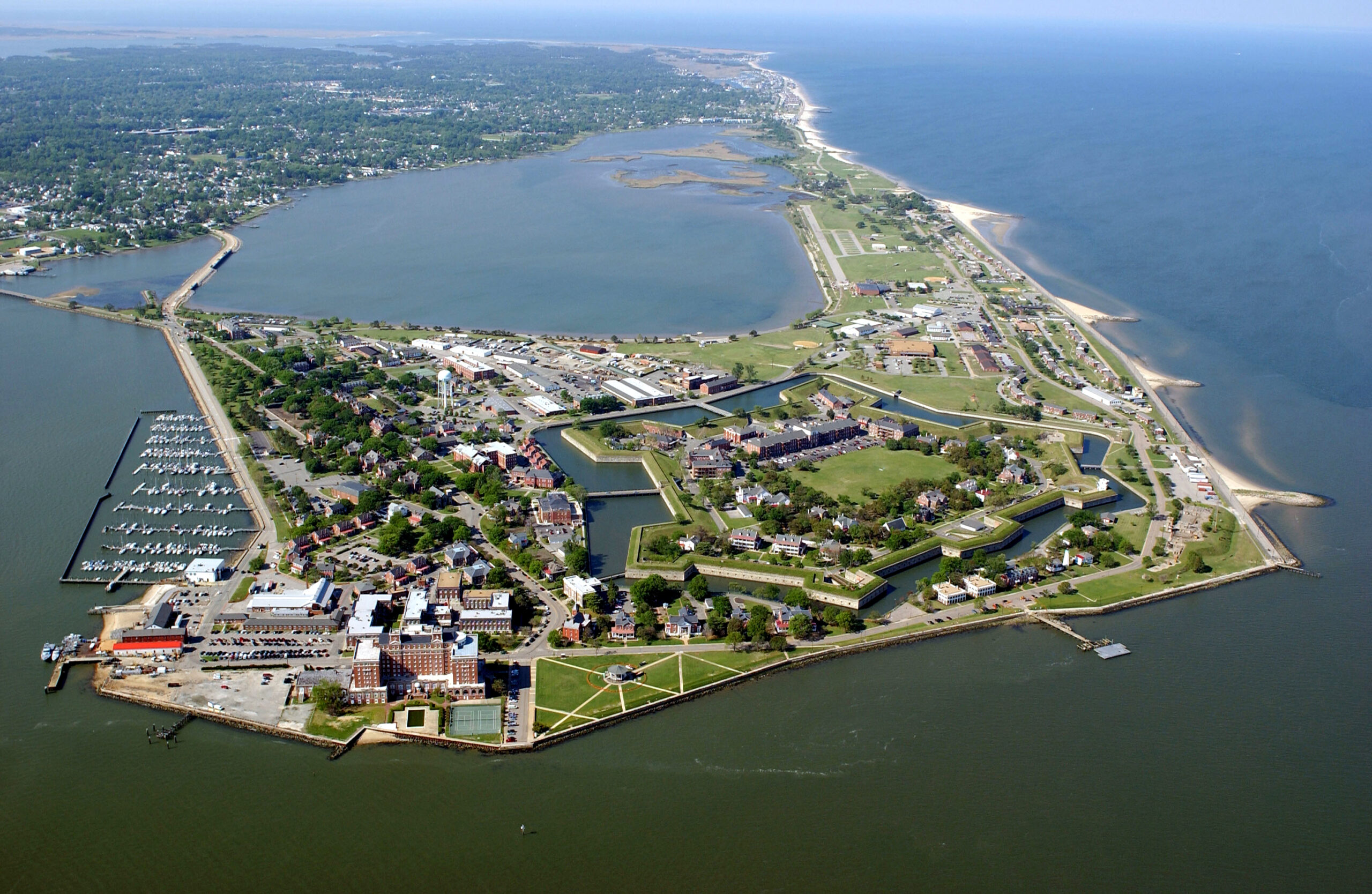
The fort itself was born from embarrassment. During the War of 1812, British forces sailed up the Chesapeake almost at will and burned Washington. The Monroe administration answered with the Third System, a chain of permanent coastal forts, and the principal one was planted at Old Point Comfort to command the entrance to Hampton Roads and the bay. Its designer was Simon Bernard, a French brigadier general of engineers and former aide to Napoleon, exiled after Waterloo and commissioned into the United States Army Corps of Engineers. Bernard drew the star fort in the bastioned French tradition that ran back to Vauban: an irregular six-sided star of stone and brick covering about 63 acres, ringed by a water-filled moat, with vaulted gun rooms called casemates built into walls thick enough to shrug off naval fire, and room for roughly 400 guns. Built between 1819 and 1834, and built in part by enslaved labor, it was the largest of the Third System forts and the largest stone fort ever raised in the country. Sailors called it the Gibraltar of the Chesapeake.
Its early garrison reads like a casting call for the century. In October 1828, Battery H of the 1st Artillery arrived from Fort Moultrie carrying a 19-year-old private who had enlisted in Boston under the name Edgar A. Perry. His real name was Edgar Allan Poe. The Army liked him. He rose to artificer, preparing artillery shells, and on January 1, 1829, at the still unfinished fort, he was appointed regimental sergeant major, the highest enlisted rank open to him. That April he bought his way out with a substitute and left to seek a place at West Point. Three years later a young second lieutenant of engineers named Robert E. Lee arrived and spent 1831 to 1834 helping to finish the walls he would one day fight against.
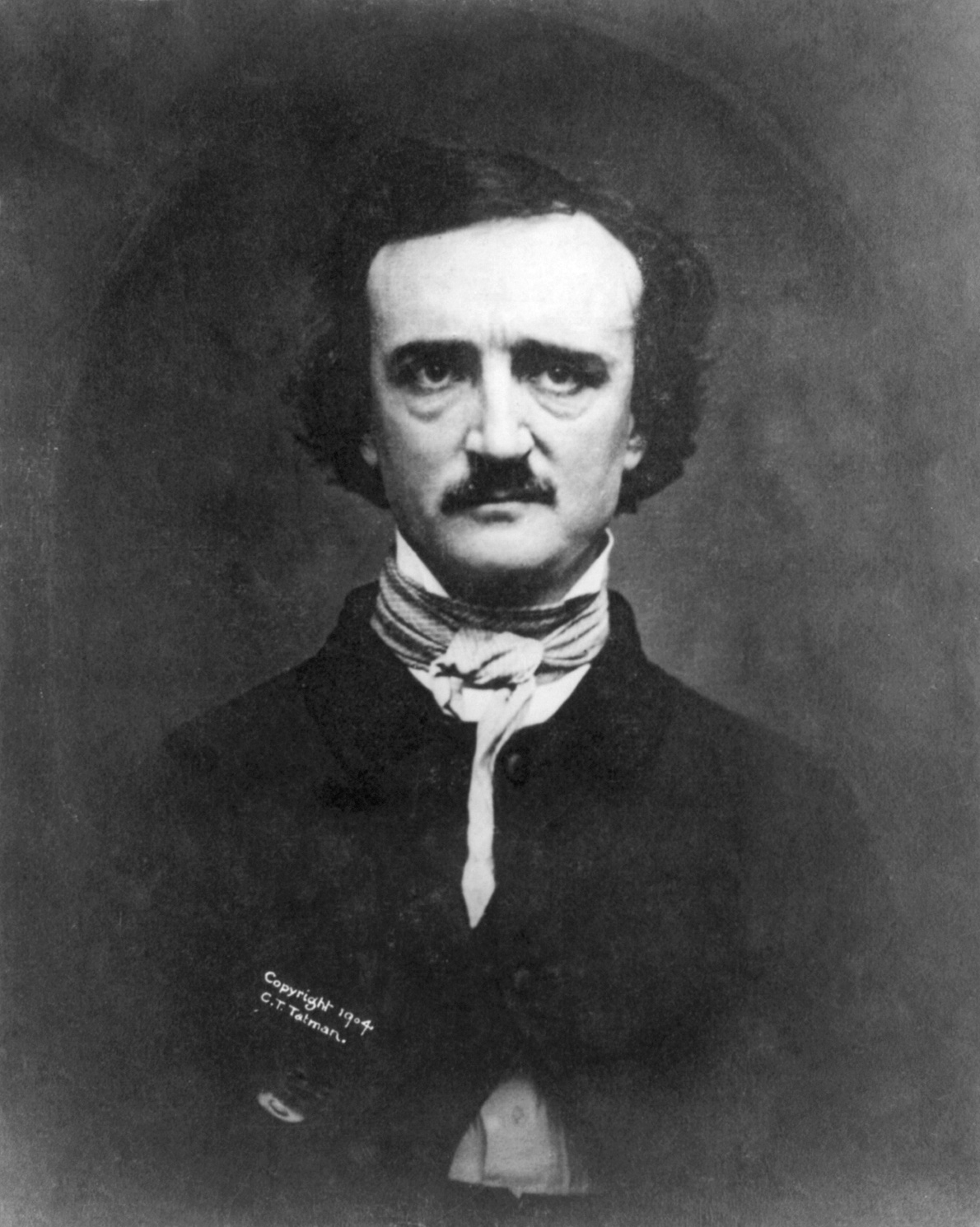
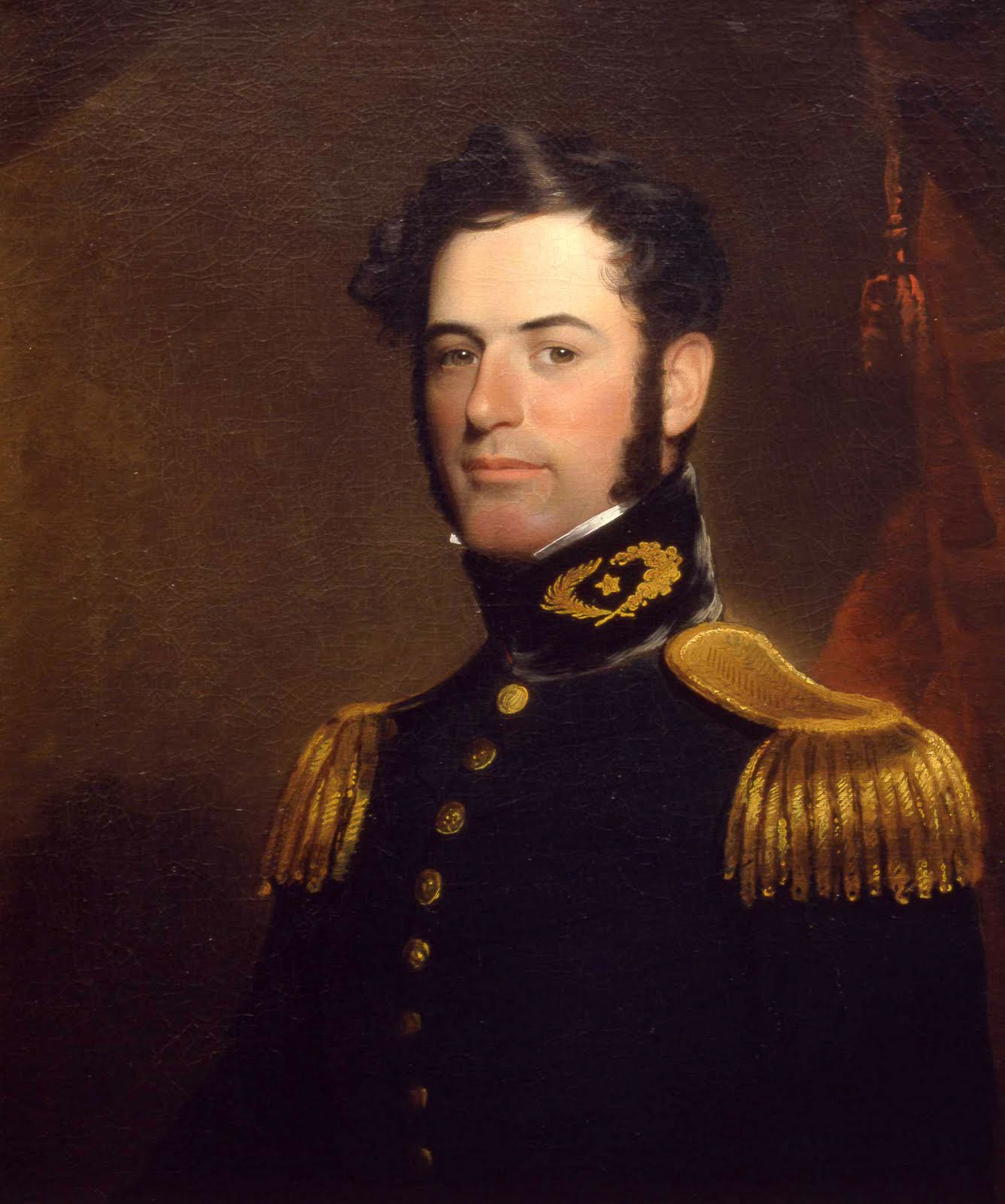
Enslaved hands helped raise these walls, on the same ground where enslaved feet first touched English America.
Freedom’s Fortress
When Virginia ratified secession on May 23, 1861, Fort Monroe stayed in Union hands, a federal island inside a rebellious state. Major General Benjamin F. Butler, a Massachusetts lawyer in uniform, had taken command only the day before. That night, three men enslaved by Confederate Colonel Charles K. Mallory, who had been put to work building rebel gun batteries at Sewell’s Point across Hampton Roads, learned they were about to be shipped south to North Carolina. Frank Baker, Shepard Mallory, and James Townsend took a boat, crossed the water, and asked the fort for refuge.
The next day a Confederate officer arrived under a flag of truce and demanded the men back, citing the Fugitive Slave Act. Butler refused, and his reasoning was a lawyer’s trap. Virginia claimed to be a foreign country, he argued, so American fugitive slave law had no reach there. And since the men had been used to build fortifications against the United States, he would hold them as he would any other property about to be used against his army: as contraband of war. He put them to work for the Union and declined to hand them over. Congress backed the logic within months, passing the Confiscation Act in August 1861, and the National Park Service flatly calls Butler’s decision a forerunner of the Emancipation Proclamation.
Word traveled the way it always travels, through kitchens, stables, and quarters. Just over a month after the three men landed, some 900 freedom seekers had reached Fort Monroe. By the end of the war, well over 10,000 had come. A Grand Contraband Camp rose in the burned ruins of nearby Hampton, and a Contraband Hospital followed in 1863. A historical marker on Ingalls Road records that Harriet Tubman served at that hospital for several months as a nurse and cook. In May 1862, President Abraham Lincoln himself slept at the fort’s Quarters No. 1 for five nights, planning the capture of Norfolk with General John E. Wool and Commodore Louis Goldsborough. Norfolk fell on May 10.
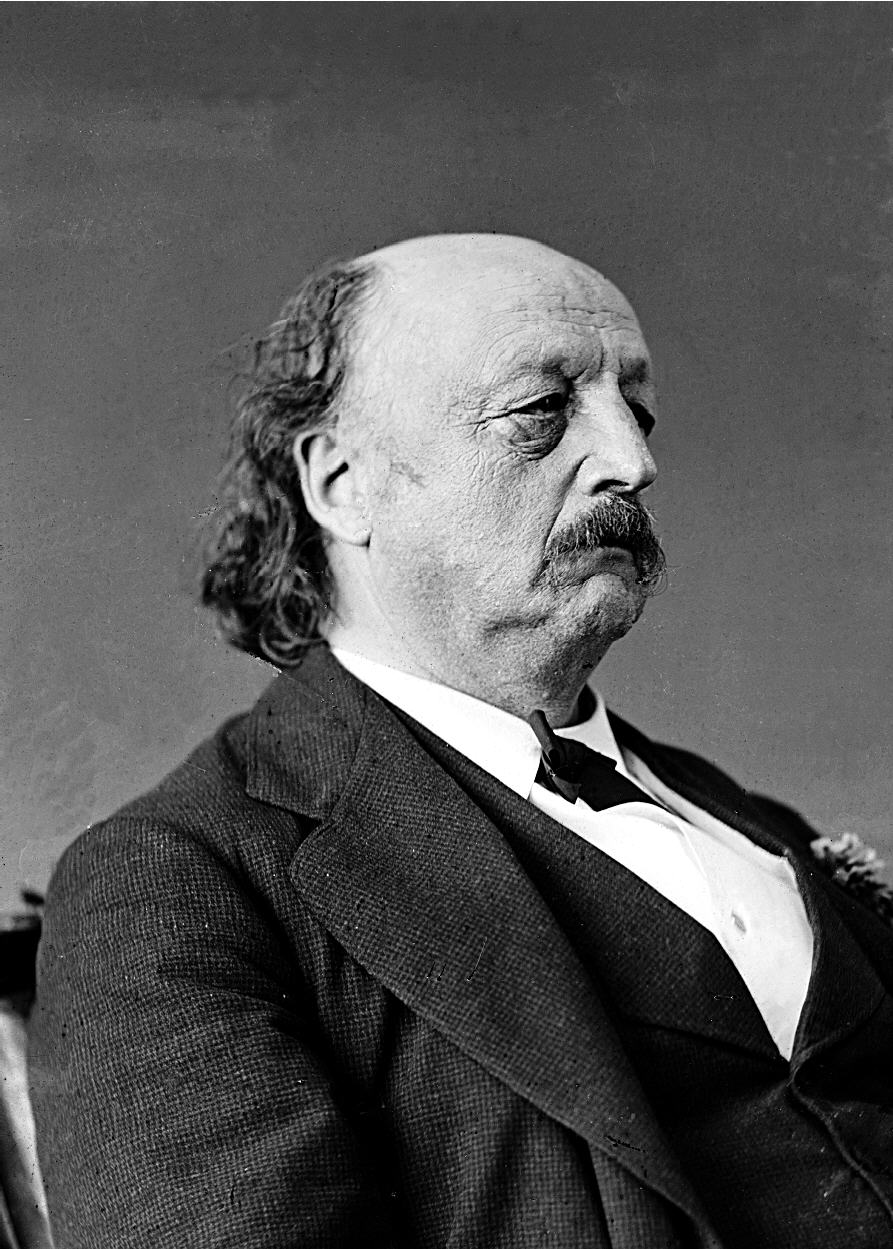
Butler kept them by calling them property. History kept the receipt and named the place Freedom’s Fortress.
The President in Casemate No. 2
The fort’s strangest prisoner arrived after the war ended. Confederate President Jefferson Davis was captured in Georgia on May 10, 1865, and delivered to Fort Monroe, where a gun room, Casemate No. 2, had been prepared as his cell. On May 23, 1865, guards put him in leg irons. The irons stayed on only a few days. Northern newspapers recoiled, his health sagged in the damp cell, and the fort’s chief medical officer, John J. Craven, pressed until the chains came off. That October, Davis was moved to better quarters in Carroll Hall. His wife Varina joined him at the fort in 1866. On May 13, 1867, after almost exactly two years, he walked out on 100,000 dollars bail posted by an unlikely coalition that included newspaper editor Horace Greeley and the abolitionist Gerrit Smith. He was never brought to trial.
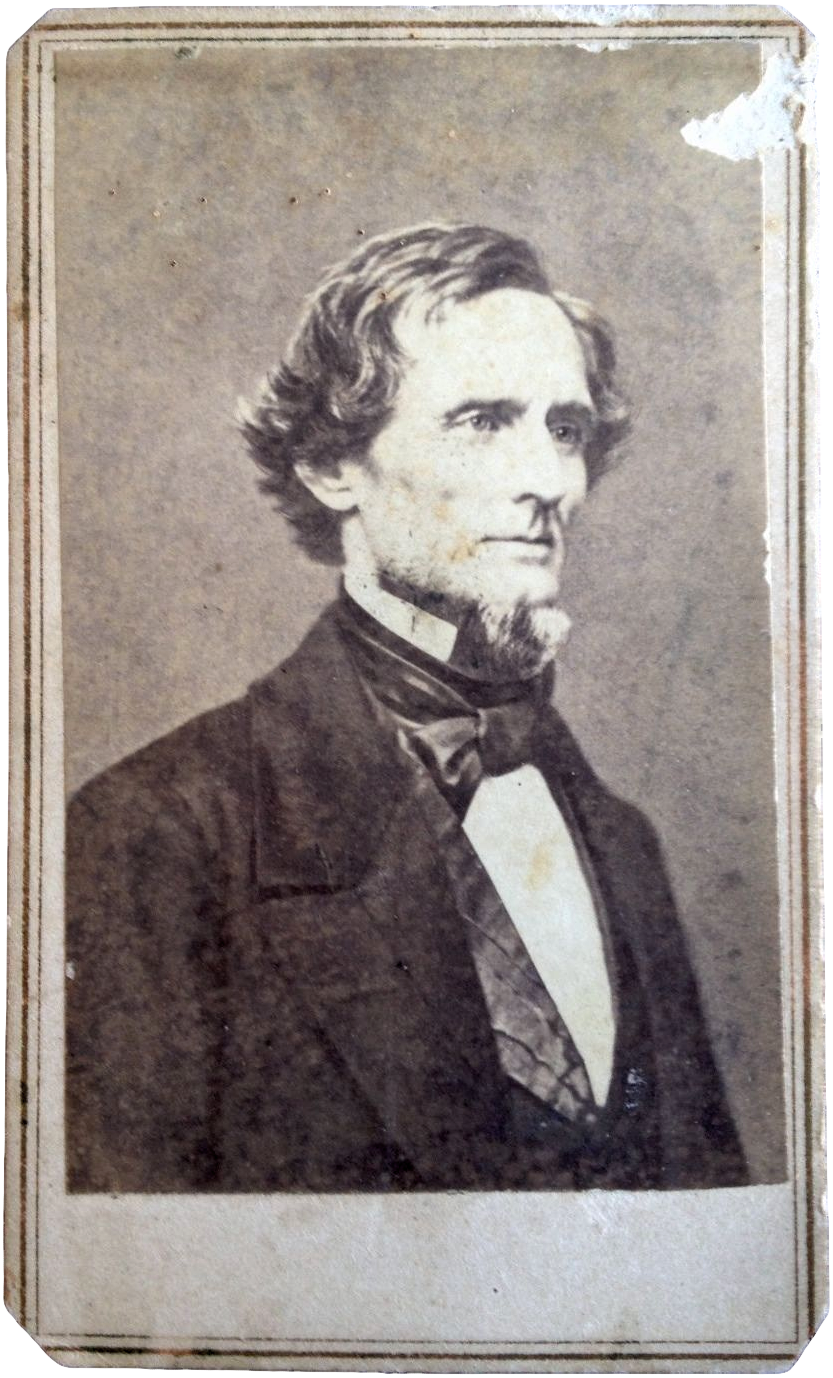
The president of the slaveholders’ republic spent two years locked inside the fort that had started slavery’s unraveling.
The Army finally closed Fort Monroe on September 15, 2011, ending one of the longest runs of any post in American service. Seven weeks later, on November 1, 2011, President Barack Obama proclaimed it a national monument. His proclamation put the whole story in one sentence: Old Point Comfort, it said, “marks both the beginning and end of slavery in our Nation.” Today the Casemate Museum fills the fort’s First Front gun rooms, and Davis’s cell survives inside it, shackles and cell door among the exhibits. You can cross the moat on a footbridge, walk the ramparts above the bay, and stand on the parade ground where sergeant major Poe once drilled his regiment.
Plenty of American forts are remembered for battles, and Fort Monroe had its share of war at the doorstep, including the ironclad duel between the Monitor and the Virginia fought in Hampton Roads in March 1862. But no enemy ever took this fort, and its guns were never really the point. The ground did heavier work. It is where the first captive Africans in English America were sold for food, where a stone star fort rose partly from enslaved labor, where three men in a boat turned a legal technicality into a road out of bondage, and where the president of the Confederacy waited two years in a cell for a trial that never came. The water off the point looks much as it did in 1619. Both countries that water delivered people into, the one that held them and the one that finally let them go, can be traced back to this one narrow strip of sand and stone.