Camaroon’s Strange Histories, Killer Lakes, and the Frog the Size of a Housecat
Cameroon is one of those West African countries that absolutely refuses to be normal. It has killer lakes, monster frogs, colonial leftovers that won’t dissolve, and a national name that translates roughly to “Shrimp Land.” If this were a movie pitch, a producer would tell you to tone it down.

Camaroon children
Strange Histories: Killer Lakes & Shrimp-Based Branding
Cameroon’s history reads like a cosmic prank. In 1986, Lake Nyos belched a hidden cloud of CO₂ so massive it suffocated 1,746 people in their sleep and wiped out thousands of animals. Even stranger: it wasn’t the first time—Lake Monoun pulled a smaller version of the trick in 1984. The lakes remain a quiet scientific terror, gently reminding everyone that the earth is always a little bored and looking for mischief.
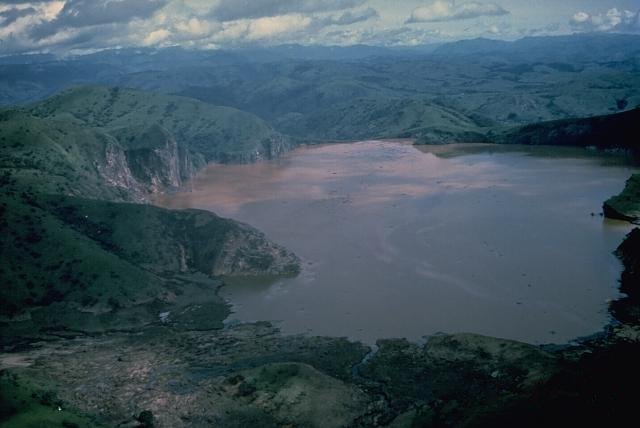
Lake Nyos, silently beautiful and historically murderous.
And then there’s the name: Cameroon exists because Portuguese explorers in 1472 found so many shrimp in the Wouri River that they named the place Rio dos Camarões — “River of Shrimp.” Imagine being a land of volcanoes, kingdoms, and ancient cultures… and getting stuck with a seafood label because some sailors got snacky.
Cameroon: the only country named after shrimp AND home to a lake that once gassed an entire valley. #CameroonFacts share
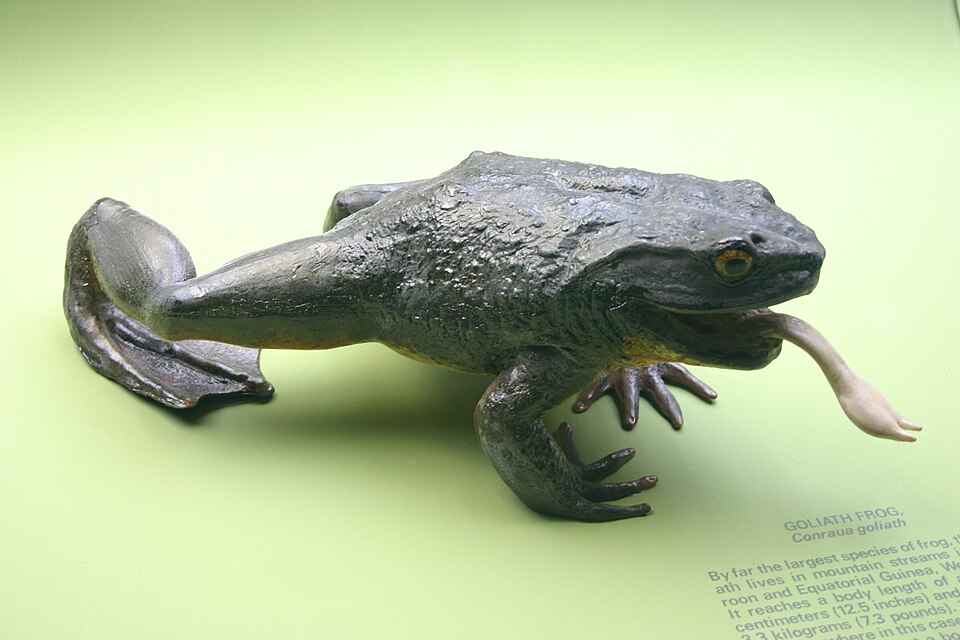
The Goliath frog—too large, too heavy, too judgmental.
Natural Oddities: Monster Frogs & Weather That Doesn’t Quit
Cameroon is often called “Africa in Miniature,” which is polite shorthand for “it contains every ecosystem except maybe tundra, but give it time.” Rainforests, deserts, mountains, savannas, coastlines—plus over 200 languages swirling through the air like confetti. This is the biodiversity equivalent of someone hoarding every available personality trait.
And yes—the Goliath frog lives here, the world’s largest frog, a majestic amphibian that can reach 34 cm and weighs enough to be morally unsettling. Add that to Debundscha, one of the wettest places on Earth (10,000+ mm of rain per year), and the still-active Mount Cameroon, and you get a country where nature is permanently set to “dramatic.”
Cameroon has the world’s biggest frog AND one of the wettest places on Earth. Nature is showing off. #Cameroon share
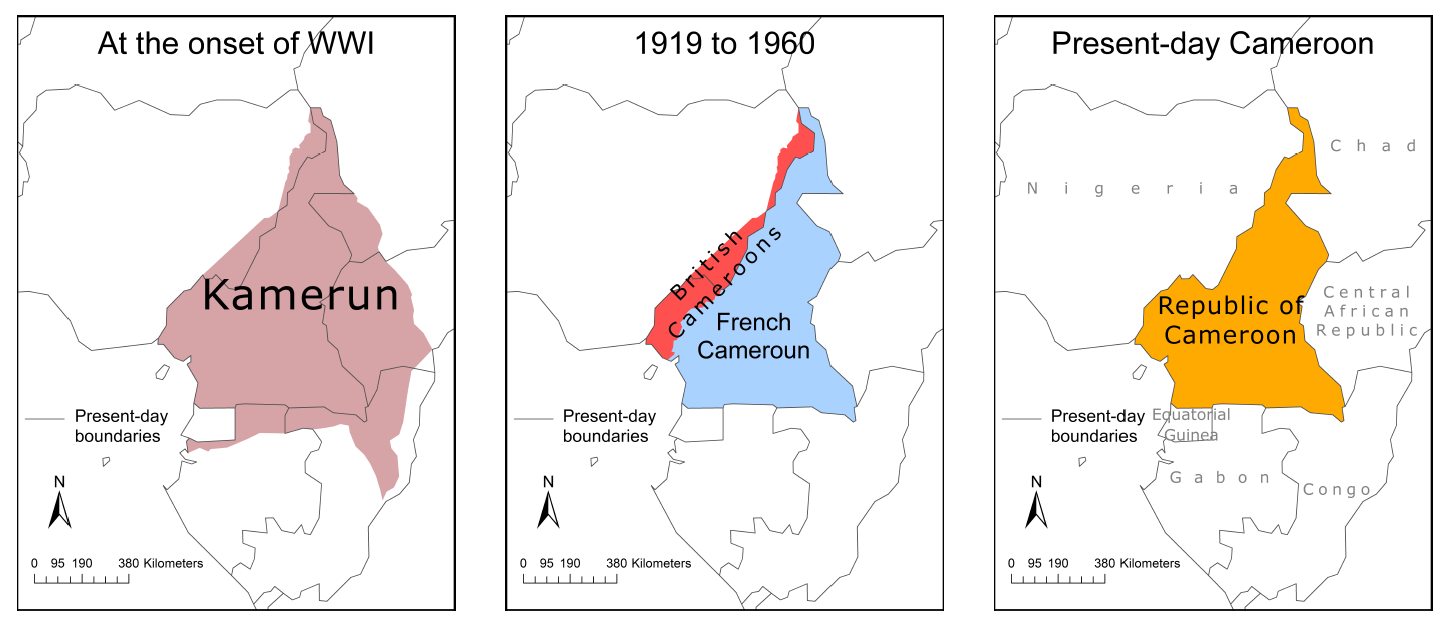
Colonial Glitches: One Country, Two Legal Systems
Few places wear their colonial fractures as visibly as Cameroon. After World War I, the former German colony was sliced between France and Britain like a geopolitical charcuterie board. The two sides kept separate legal, educational, and civil service systems long after independence—right up until 1972, when the country merged into a centralized state.
This created a modern nation with a split personality: anglophone vs. francophone systems, overlapping bureaucracies, and cultural misunderstandings that still echo in politics today. It’s the administrative equivalent of trying to merge two incompatible operating systems using duct tape.
Cameroon kept TWO colonial legal systems for decades. A national identity built on incompatible software. #CameroonHistory share
Culture, Politics & the “talking drums”
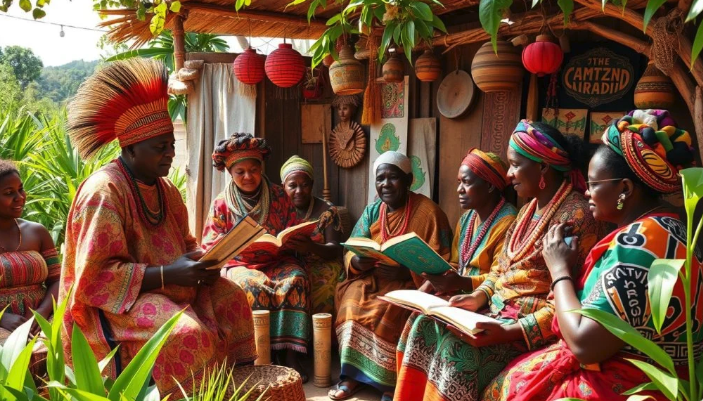
Despite having French and English as official languages, Cameroon is also home to traditional communication methods like talking drums—an acoustical text message system predating every app you love. The cultural mosaic is massive, rhythmic, and very much alive.

Ancient African Tribes had “Drum Talk” long before Cell Phones – villages still communicate this way
Meanwhile, the national soccer team shocked the world in 1990 by becoming the first African team to reach the World Cup quarterfinals, proving Cameroon doesn’t just survive chaos—it occasionally scores through it.
Cameroon: talking drums, long presidencies, and the soccer team that made history in 1990. #CameroonCulture share
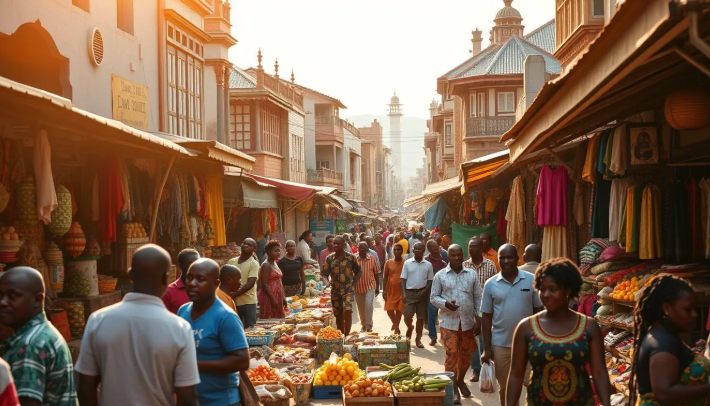
Daily life in Cameroon: languages, rhythms, politics, and rain—always rain.
Cameroon is a country where the surreal, the tragic, and the oddly charming all coexist in one politically complicated, ecologically wild, linguistically kaleidoscopic landscape. From killer lakes and monster frogs to colonial leftovers that refuse to leave the group chat, Cameroon’s story shows how a nation can carry ancient kingdoms, a bizarre European naming accident, two inherited legal systems, a record-setting deluge, an endlessly eruptive volcano, and a president who apparently misplaced the exit key somewhere in the 1980s. This article stitches together the contradictions: the ecological extremes, the uneven political histories, the cultural rhythms, the languages, the mythology, and the scientific anomalies—pulling them into a single panoramic view of a country that didn’t just inherit complexity, but industrialized it.
Britannica — Lake Nyos disaster (1986) Encyclopedia Britannica
U.S. Geological Survey — Exploding Lakes in Cameroon (Lake Nyos & Monoun) USGS+1
History.com — Gas cloud kills Cameroon villagers (Aug 21, 1986) HISTORY
WorldAtlas — 8 Interesting Facts About Cameroon WorldAtlas
Britannica — Cameroon country summary Encyclopedia Britannica
A quick overview of the topics covered in this article.

How do ya like my little magazine? Neurodope Magazine is a sardonic, science-meets-philosophy publication that explores the strange, the curious, and the mind-bending corners of reality with wit, skepticism, and insight.
If this kind of brain static hits your frequency, subscribe for articles to your inbox. I try to look deeper into things and write about them: commentary on society, science, and space.. After all, there's a whole lot of unknown unknowns out there.. and I'm curious to the ideas surrounding them. Thanks for reading! - Chip
Latest articles

“The truth is rarely pure and never simple.” – Oscar Wilde
“The truth is rarely pure and never simple.” – Oscar Wilde

“There is no place in a fanatic’s head where reason can enter.” – Napoleon Bonaparte
"There is no place in a fanatic's head where reason can enter." - Napoleon Bonaparte
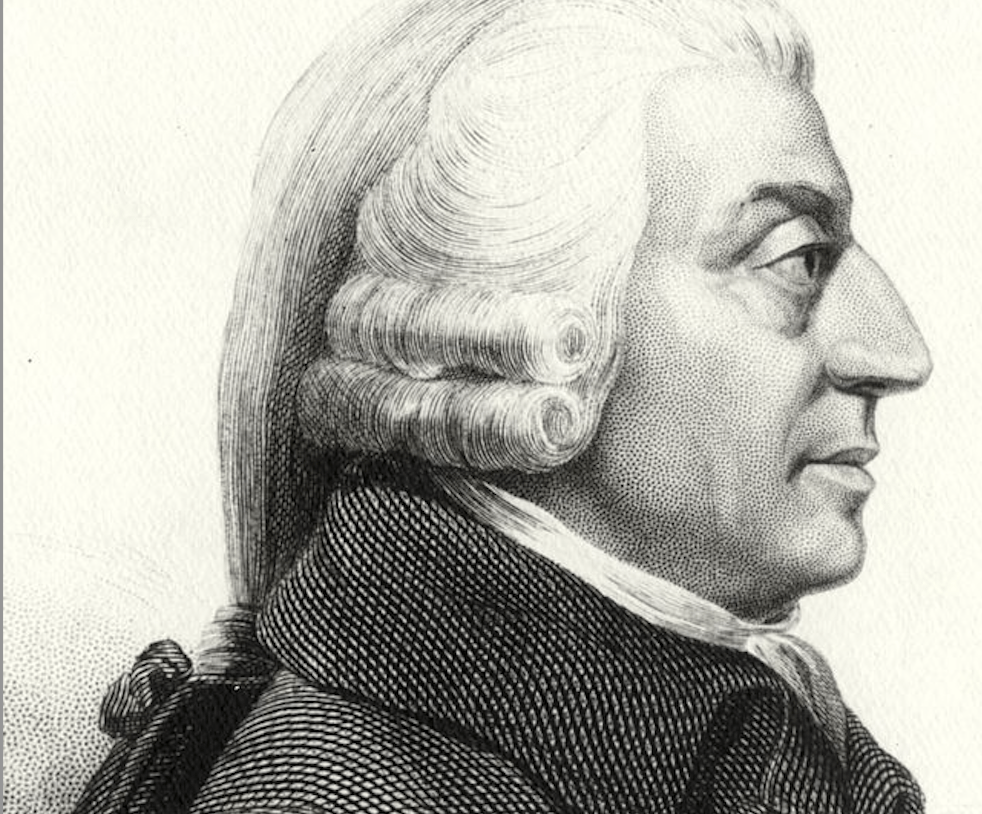
“Science is the great antidote to the poison of enthusiasm and superstition.” – Adam Smith
"Science is the great antidote to the poison of enthusiasm and superstition." - Adam Smith