
Tribal Magic: Dream Analysis by the Senoi Tribe of Malaysia
Deep in the Malaysian highlands, the Senoi Tribe thrives in peace amid warlike neighbors. Their secret isn’t weapons—it’s dreams. By cultivating a culture around conscious dream interpretation, the Senoi claim a type of protective “magic,” shaping a society where fear, aggression, and violence are nearly unknown. Could lessons from their dream-centered life give outsiders a psychological edge?
Dreams as Law and Lore
For the Senoi, dreams dictate the timing of rituals, marriages, and social conduct. Every child is taught to report their dreams and practice dream control techniques, turning what might be nightmares into lessons of courage and confidence. A child dreaming of fleeing a tiger is instructed to recreate the dream, standing firm and confronting the predator. Friends in the dream may assist, but running is forbidden. This daily ritual teaches fear is malleable, transforming terror into practical training for self-assurance and resilience.
In the Senoi tribe, a nightmare is just practice for real life. Stand tall, tiger’s got nothing. #DreamControl #SenoiMagic #PsychologyOfFear share this
Though surrounded by warlike tribes in Malaysia’s mountainous jungles, the Senoi Tribe people are left alone by hostile neighbors. And for good reason: they are so peaceful that they are believed to possess protective magic.. due to their innate power to control dreams. In a sense they do have this protective magic, in a form of a philosophy that is based on dreams and their own interpretation.

Dream interpretation isn’t limited to fear; it also embraces pleasure. Falling becomes flying, loss becomes liberation. The Senoi perceive dream imagery as fragments of the self to be integrated into conscious life. No dream is taboo. The tribe teaches that confronting the unconscious—rather than suppressing it—creates emotional flexibility, resilience, and social harmony. By turning frightening scenarios into experiences of joy or mastery, dreamers learn to rewrite their mental scripts, building personal power through imagination.
Falling in your dream? The Senoi say fly instead. Conquer your subconscious, conquer your life. #DreamAlchemy #SenoiDreams #ConsciousDreaming share this
Dreams dictate the timing and conduct of every important event in the Senoi tribe life. The interpretation of dreams is the major business of the tribe. The result is a society in which personal aggression and violence or almost unknown. Every Senoi tribe toddler is encouraged to report their dreams and are instructed with the techniques of dream control by which it is believed that the Senoi ultimately achieve their psychological and social stability.

Tribal Magic: Dream Analysis by the Senoi Tribe of Malaysia on neurodope.com
These techniques focus on the three principles: to confront and conquer danger, to advance toward pleasure, and to achieve positive outcomes in life.
The first principle helps the conscious dreamer overcome fears. For example, a child who reports a dream in which he fleas in terror from a tiger is instructed to try to re-create the dream. He is told that in the re-creation, he must stand his ground and attack the tiger directly.
If necessary he may enlist the help of his conscious dream of friends, but he must never run away. Because of this, a child learns to transform a nightmare into a constructive lesson in self confidence.
By accepting the second principal, the pursuit of pleasure, the dreamer can turn fearful experiences into exulted ones. The terrifying sensation of falling, for example, is converted by the Senoi tribe, into a liberating and expansive sensation of flying.
Because the Senoi accept the mysteries of the unconscious as a natural state,conscious dream images are imagined as aspects of the self that need to be integrated into real life. No dream is suspect, and no dream is improper.
The third principal achieving a positive outcome encourages the dreamer to turn adversity into advantage.
If he is wounded by an enemy in his dream, he can take heart from knowing that the enemy has used up some of the it’s strength, and the dreamer can gain power from it.
Turning Adversity Into Advantage
The third principle is about leveraging adversity. A dream wound inflicted by an enemy isn’t just an injury—it’s a lesson. Energy spent against the dreamer is a resource gained, teaching adaptation and strategy. The Senoi approach shows that by engaging fear and discomfort with curiosity, one can convert challenges into growth. It’s a subtle philosophy: life’s difficulties are material for self-improvement, and sleep is its laboratory. Could this gentle confrontation with the subconscious guide modern humans toward psychological equilibrium?
Enemy in your dream? Congrats, they just spent their energy. Senoi says turn it into your power. #DreamPower #SenoiPsychology #SelfGrowth share this
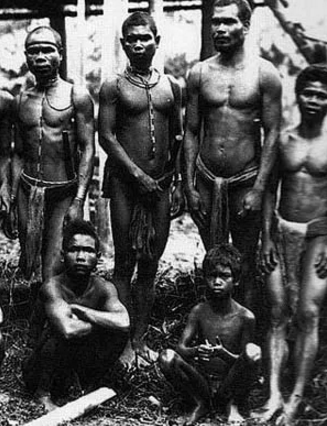
Tribal Magic: Dream Analysis by the Senoi Tribe of Malaysia on neurodope.com
Can we use these techniques to change our lifestyle and psyche by manipulating and controlling our dreams? It is said that if dreamers can adopt a gentle and questioning attitude in the face of frightening dreams, one can grow from it.
If the Senoi techniques can help people with fears and turn adversity into positive action, then, by building self-confidence and self understanding, dreams can prove to be helpful in understanding one’s self.
The Senoi dream practices are not mere folklore—they are a window into cultural neuroscience and psychological anthropology.
Anthropologists have long studied the tribe for their peaceful social structure and innovative approach to fear and conflict. Across cultures, dream analysis has been employed for problem-solving and moral teaching, from Native American traditions to Tibetan dream yoga. The Senoi, however, formalized it as a systematic method for emotional resilience. Their techniques offer lessons in controlled visualization, emotional regulation, and the ethical harnessing of imagination for social cohesion.
References:
Senoi Dream Culture and Psychology
Conscious Dreaming in Anthropological Study
The Role of Dreams in Emotional Resilience
Exploring the known and the unknown with a beat writer’s eye for truth. -Chip Von Gunten
Latest articles

“The truth is not for all men, but only for those who seek it.” – Ayn Rand
"The truth is not for all men, but only for those who seek it." - Ayn Rand
“Truth is the offspring of silence and meditation.” – Isaac Newton
"Truth is the offspring of silence and meditation." - Isaac Newton

“The truth is incontrovertible. Malice may attack it, ignorance may deride it, but in the end, there it is.” – Winston Churchill
"The truth is incontrovertible. Malice may attack it, ignorance may deride it, but in the end, there it is." - Winston Churchill [read more...]


