Neurodope Magazine

Neurodope Magazine

9. People used mummies for fundraising.

The Mummy Industrial Complex: When the Dead Became a Commodity
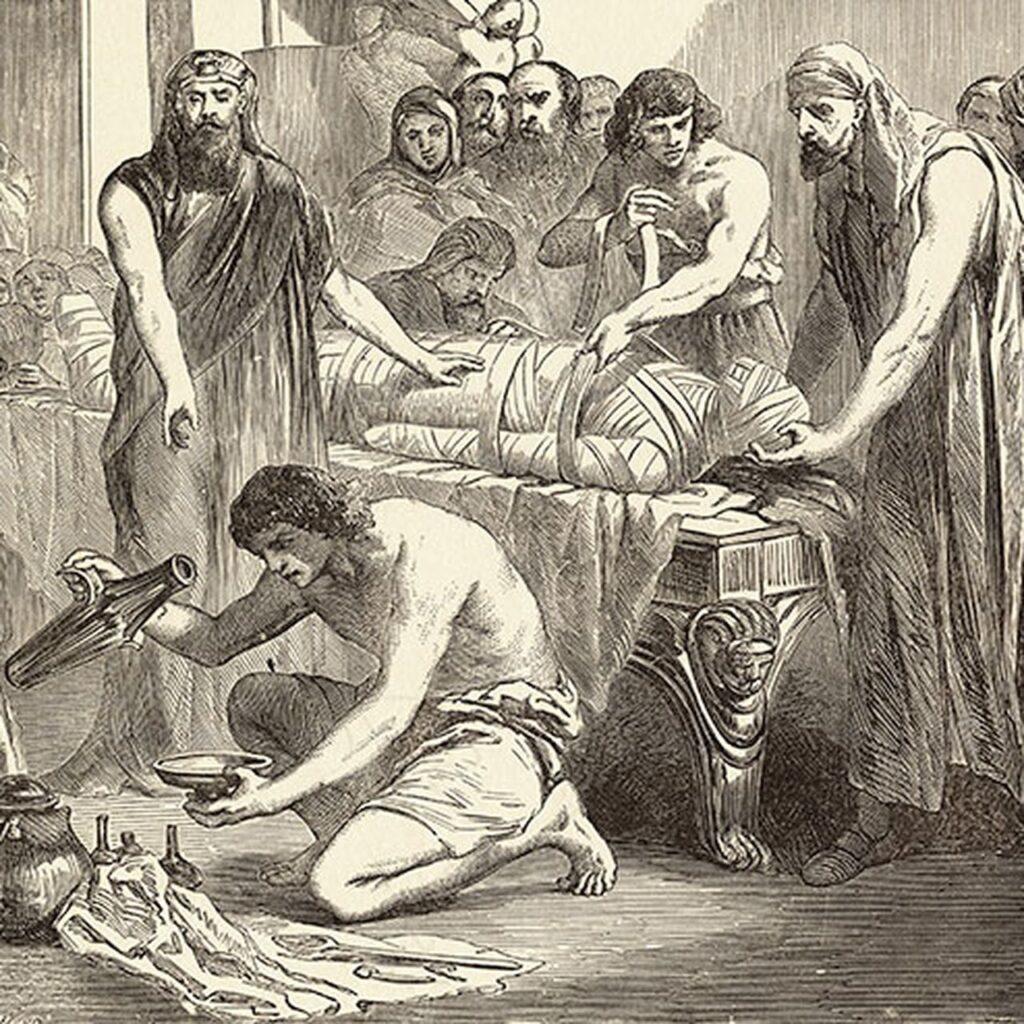
 

Most people’s only brush with an Egyptian mummy comes through a glass case, under dim museum lighting, or wrapped up in Hollywood clichés—bandaged corpses staggering through tombs with curses for dialogue. But rewind a couple of centuries, and the Western world’s relationship with mummies was far more intimate—and grotesquely entrepreneurial. Long before pop culture turned them into horror icons, Europe and America had already strip-mined the Egyptian dead for art, medicine, and profit. They weren’t relics of reverence; they were raw materials.

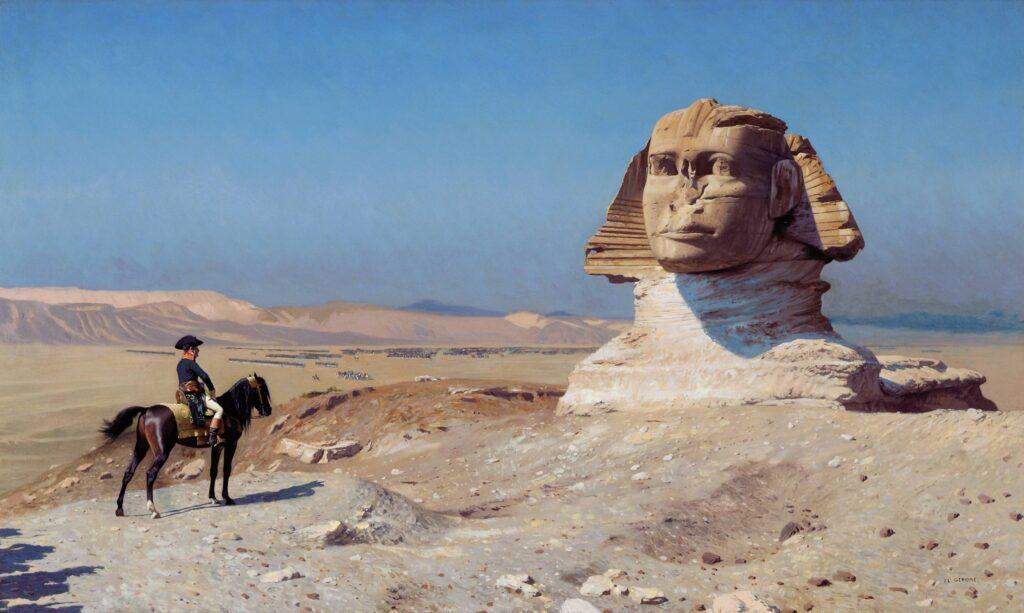
The madness started with Napoleon’s 1798 invasion of Egypt. His soldiers brought back more than sand in their boots—they brought back obsession. “Egyptomania” swept through Europe like a designer drug for the elite. Hieroglyphics became chic. Obelisks sprouted in Paris and London. And by the 1830s, wealthy Western tourists were swarming the Nile, raiding tombs like bargain hunters at a yard sale. They didn’t just want souvenirs—they wanted proof of adventure, proof they’d touched the exotic. Egypt was a living postcard of mystery and decay.

One monk, Father Géramb, even joked to Egypt’s ruler, Mohammed Ali, in 1833 that it would be “hardly respectable” to return to Europe without “a mummy in one hand and a crocodile in the other.” That wasn’t satire. It was fashion advice. Being seen without your own mummy was like coming back from Paris without perfume.

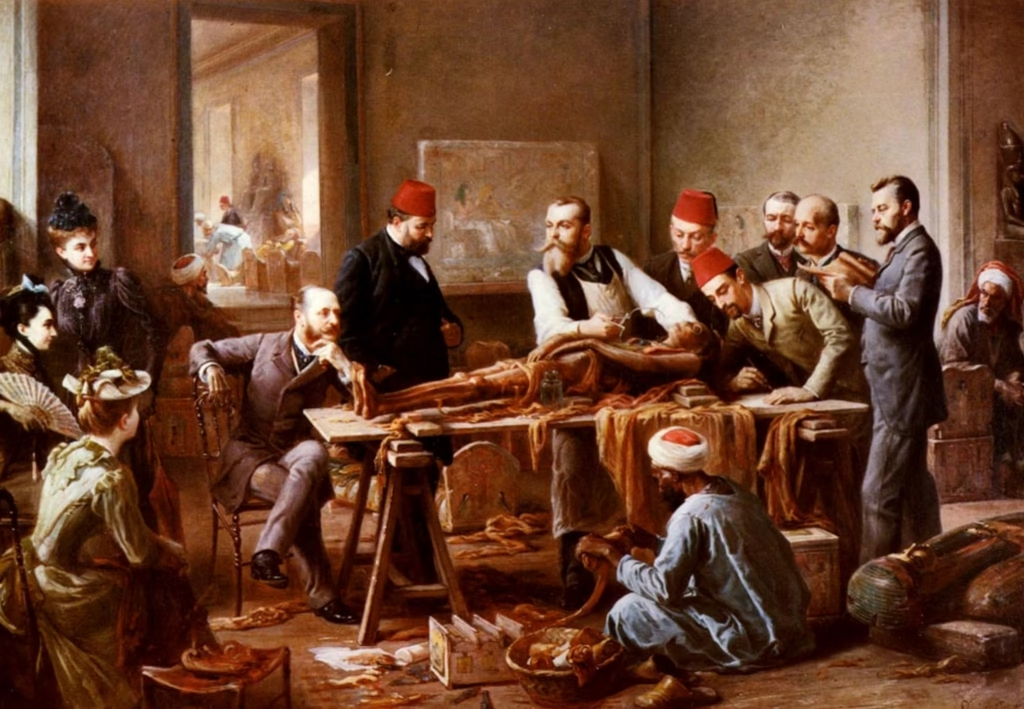
And that’s where things get beautifully horrifying. The 19th century turned mummies into a product line. They were unwrapped at dinner parties for entertainment. They were ground into pigment for artists, crushed into powder for apothecaries, and—most disturbingly—eaten. Yes, eaten.

You see, early modern Europe had a peculiar habit of treating the human body as medicine. Flesh, bone, and blood were therapeutic ingredients; the skull moss was a kind of garnish. Historian Richard Sugg notes that “up until the late 18th century, the human body was a widely accepted therapeutic agent.” Powdered mummy—sold under the name mummia—was mixed into drinks or applied to the skin to treat bruises, fractures, and moral confusion. The confusion being: who decided corpse powder was a good idea?

The origin of the idea likely came from Pliny the Elder, who wrote that the bitumen used in embalming had healing powers. Over time, that morphed into the notion that the mummified body itself—ancient, sacred, soaked in resin and mystery—contained curative energy. So, apothecaries began selling it by the ounce. The dead became medicine, mummification became a supply chain, and the living ingested history like snake oil with a hieroglyphic label.

This wasn’t fringe behavior. It was mainstream alchemy dressed in colonial entitlement. Europe didn’t just consume Egypt’s culture; it consumed Egypt. Literally. The same civilization that built the Enlightenment thought nothing of grinding up the pharaohs for a quick fix of immortality.

Today, museums put velvet ropes between us and what’s left of those bodies. We peer through glass, pretending reverence. But somewhere under the marble floors of old Europe, the dust of mummies still lingers in oil paints, medicines, and manuscripts. Egyptomania wasn’t just a fad—it was an appetite. And the appetite was human.

Welcome to the golden age of the grotesque, where the line between relic and resource blurred completely, and the West devoured the dead in the name of beauty, science, and progress. If you listen closely in those museum halls, you can almost hear the ancient world laughing—because the curse was never in the tomb. It was in the hunger.


A quick overview of the topics covered in this article.

Latest articles

Go to Top