Hey Look at This! The Slow Death of Attention in the Age of Infinite Scroll
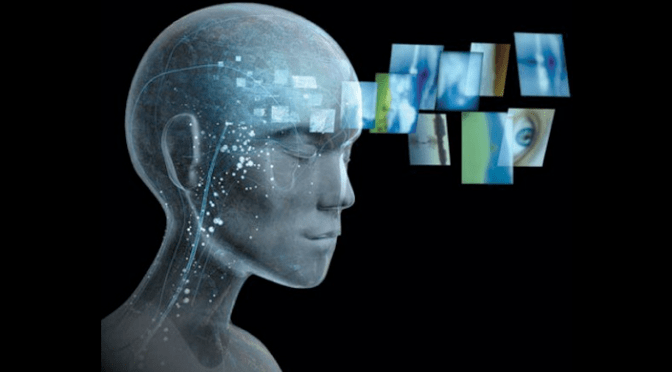
We scroll faster than we think. The average human attention span—once compared to a goldfish—has now been replaced by something less flattering: a flickering LED. The more stimulation we receive, the less we care. The new generations aren’t lazy—they’re tired. Tired of parsing endless feeds of half-truths, ads, memes, and corporate virtue signaling disguised as “content.”
Flicker Speed: MTV and the Image War
Back when MTV ruled television, researchers noticed something strange—the rate of image changes per second kept increasing. Early videos cut every few seconds. By the 2000s, it was milliseconds. The brain adapted—but at a cost. Constant microbursts of novelty rewired our reward systems, making slow content feel unbearable. It wasn’t that people stopped caring; their minds were trained to crave the next flash before the current one finished. Attention became the currency—and inflation hit hard.
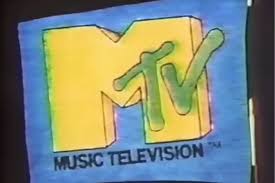
If there was one culprit, it was this
Modern platforms learned that lesson well. TikTok, Instagram Reels, and YouTube Shorts run the same experiment—endless reward loops with no landing. Studies show that short-form content triggers the same dopamine spikes as gambling, except instead of coins, you win nothing. Just another clip.
The shorter the clip, the shorter the care. MTV taught us to blink faster; social media taught us to never stop. #Neurodope #AttentionEconomy share this

Ad-driven algorithms keep users trapped in an attention economy that never stops refreshing.
Infinite Scroll, Finite Focus
According to Pew Research, more than 85% of adults now use smartphones as their primary internet access. It’s a miracle of accessibility—and a curse of intrusion. The small screen turns into a slot machine of news, ads, and “sponsored content” so seamless we can’t tell one from another. Every tap feeds the algorithm that feeds on us.
It’s no wonder apathy feels like relief. The modern mind can’t separate the wheat from the chaff because the field keeps changing shape. Instead of deep diving into a topic, people skim, scroll, and move on. Information overload has become emotional underload. The brain, exhausted from filtering noise, chooses numbness. It is now the time of the Death of Attention.
We’re not losing attention—we’re defending it. The scroll is endless, the soul is tired. #Neurodope #DigitalFatigue share this
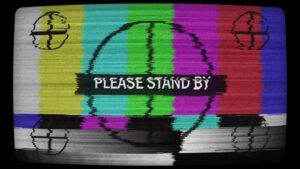
Our brains are on stand by.
Ad Nauseam: Paying for the Noise
Advertising is the ancient parasite that evolved with every medium. First print, then radio, then TV—and now the mind itself. Online media promised free access to the world’s knowledge. The bill arrived in the form of pop-ups, autoplay, and personalized manipulation. Free content became the illusion we pay for with time, not money.
Could there be another way? Subscription models offer escape, but few can afford to gate every thought behind a paywall. Imagine a decentralized information network—where knowledge isn’t owned, just shared; where you don’t trade your focus for banner ads. The next revolution won’t be digital—it’ll be attention reclamation.
Free information wasn’t free. We’ve been paying with our focus all along. #Neurodope #FreeEnergyOfTheMind share this

Oh look, its the real world irl.
The Last Page You’ll Ever Read (Maybe)
If you’re still here—congratulations! You’ve beaten the algorithm. You’ve resisted the pull of the next tab, the next ping, the next dopamine pellet. The irony, of course, is that this article might not even hold your attention long enough to make you care about attention.
But here’s the glimmer of hope: awareness is the first countermeasure. If you can notice your distraction, you’ve already reclaimed something real. That’s the human part which no feed can replicate. The question isn’t how long we can focus—it’s what still deserves our focus in the first place.
Congrats, you made it to the end. In 2025, that’s a superpower. #Neurodope #MindMatters share this

Exploring the known and the unknown with a beat writer’s eye for truth. -Chip Von Gunten
A quick overview of the topics covered in this article.
Latest articles

“In a time of deceit telling the truth is a revolutionary act.” – George Orwell
"In a time of deceit telling the truth is a revolutionary act." - George Orwell

“A problem cannot be solved by the same consciousness that created it.” – Albert Einstein
“A problem cannot be solved by the same consciousness that created it.” - Albert Einstein
“All truth passes through three stages. First, it is ridiculed. Second, it is violently opposed. Third, it is accepted as being self-evident.” – Arthur Schopenhauer
"All truth passes through three stages. First, it is ridiculed. Second, it is violently opposed. Third, it is accepted as being self-evident." - [read more...]