
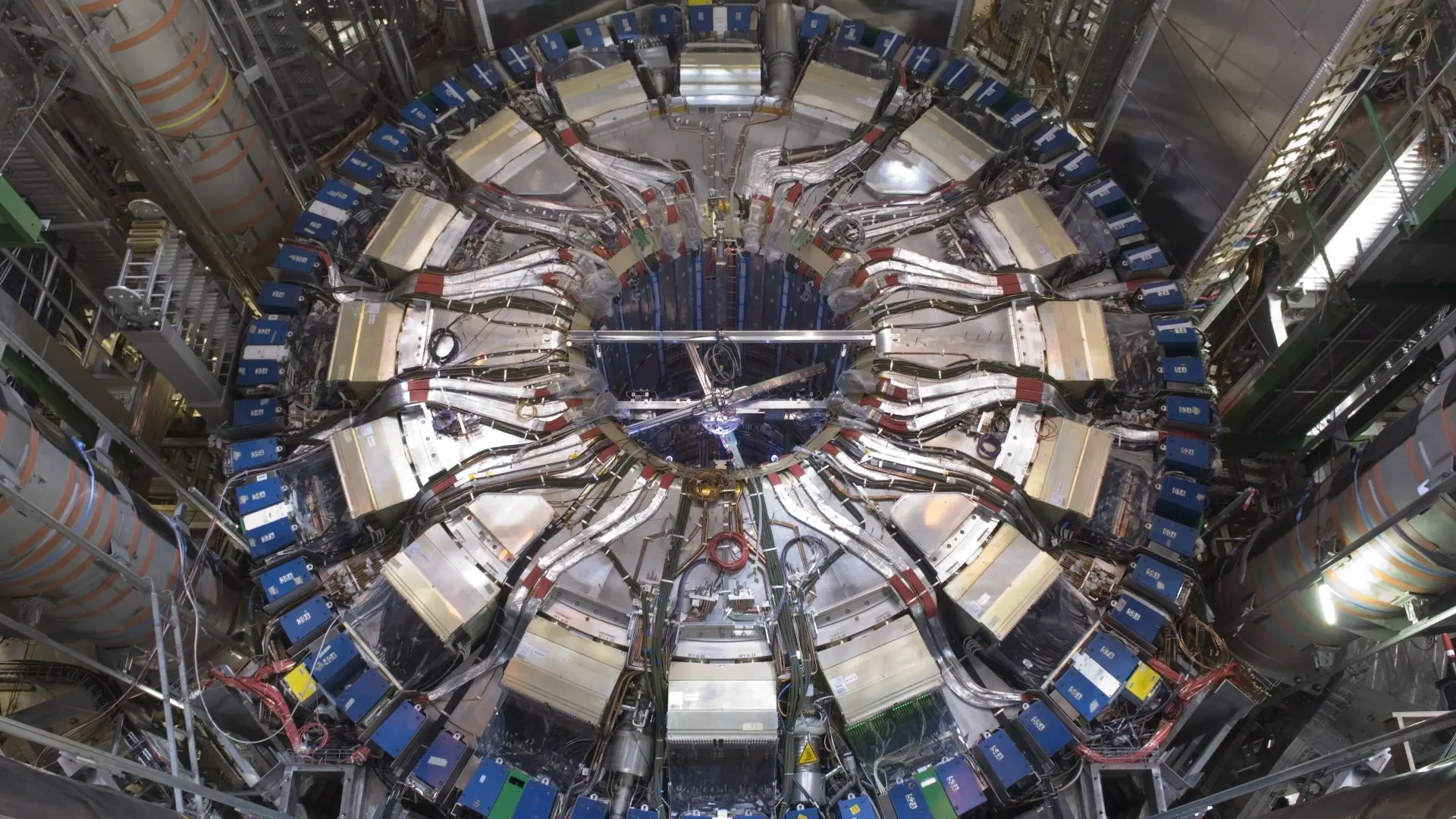
CERN: Higgs Bosons, Black Holes, and the Matrix Glitch
CERN: where humans smash particles faster than your imagination can keep up, hunt Higgs bosons like Easter eggs, and sometimes accidentally spawn urban legends about portals, black holes, and timeline glitches. Science, myth, and the internet collide underground.
CERN’s Origins: Europe’s Playground for Atoms
CERN started in 1954, a post-WWII stunt in the best sense: European nations pooling cash and brains to build a playground for fundamental particles. It wasn’t about national pride, but about making physics so collaborative that borders didn’t matter. Thousands of scientists converge here like a physics Woodstock, swapping ideas, theories, and occasionally snacks.
From the early Synchro-Cyclotron to the Proton Synchrotron, CERN grew a reputation for doing physics big, fast, and weird. Its charter? Pure research, free knowledge, and enough technical wizardry to make Silicon Valley blush. Bold experiments, bold ambitions, bold fonts in lab notebooks.
CERN: the only place where Europe rebuilt science and threw particles into a 27 km tunnel just for fun. #Physics #CERN #ParticleSmash share this
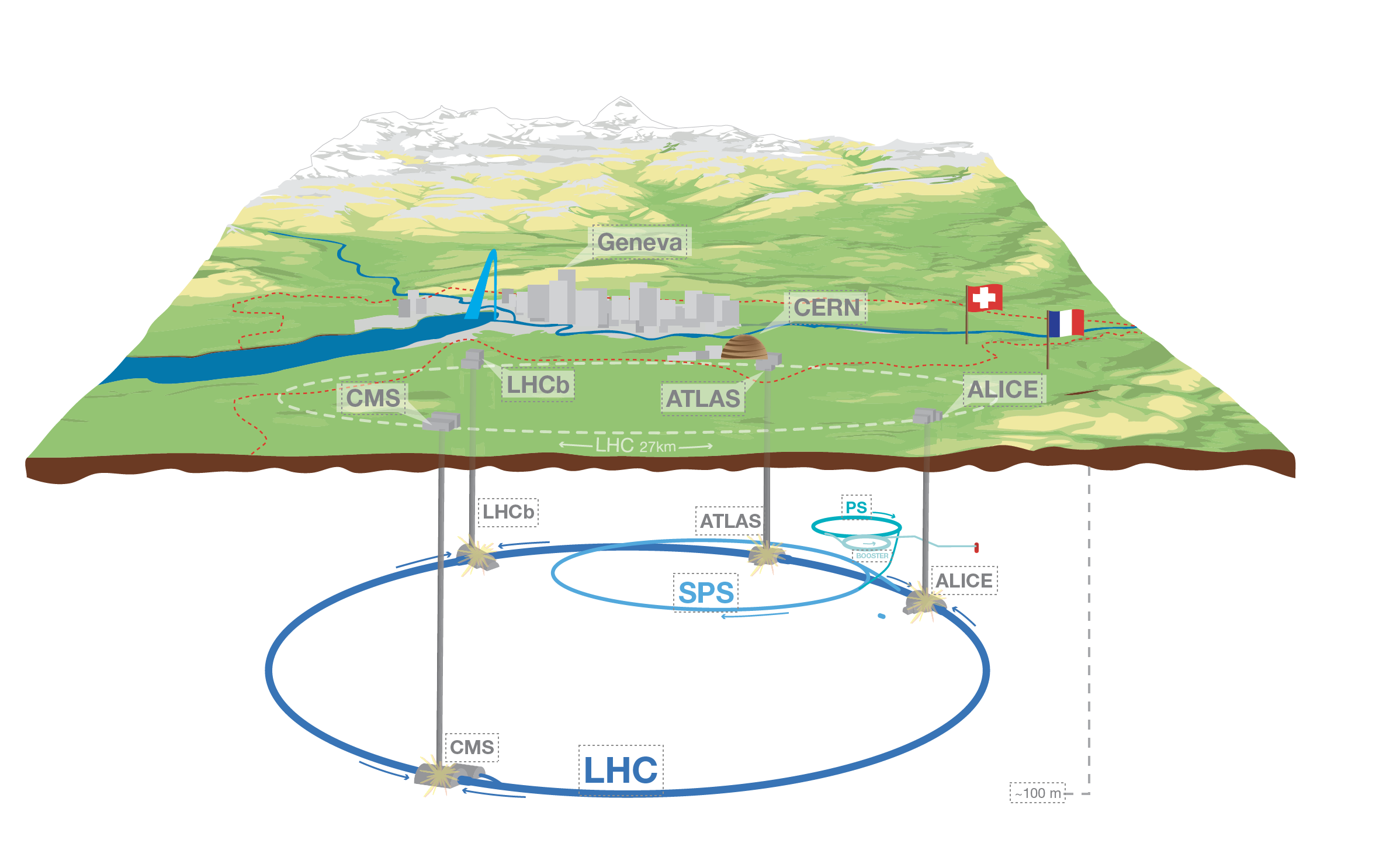
The Large Hadron Collider tunnel beneath the French-Swiss border.
Big Collisions, Higgs Bosons, and Antimatter
The Large Hadron Collider isn’t a ride at a sci‑fi theme park, though it might as well be. Protons slam together at near-light speed, recreating conditions from the birth of the universe. The 2012 Higgs boson discovery? Proof that smashing things can sometimes answer the universe’s deepest questions.
CERN also traps antimatter, the cosmic mirror image of reality. Antihydrogen atoms hang in fields like impossible marbles, teasing physicists with questions: does gravity pull on them normally? Could we ever weaponize or bottle them? Mostly, it’s academic curiosity with a splash of existential dread.
CERN: smashing protons and trapping antimatter to see if the universe really gives a damn about gravity. #HiggsBoson #Antimatter #Neurodope share this
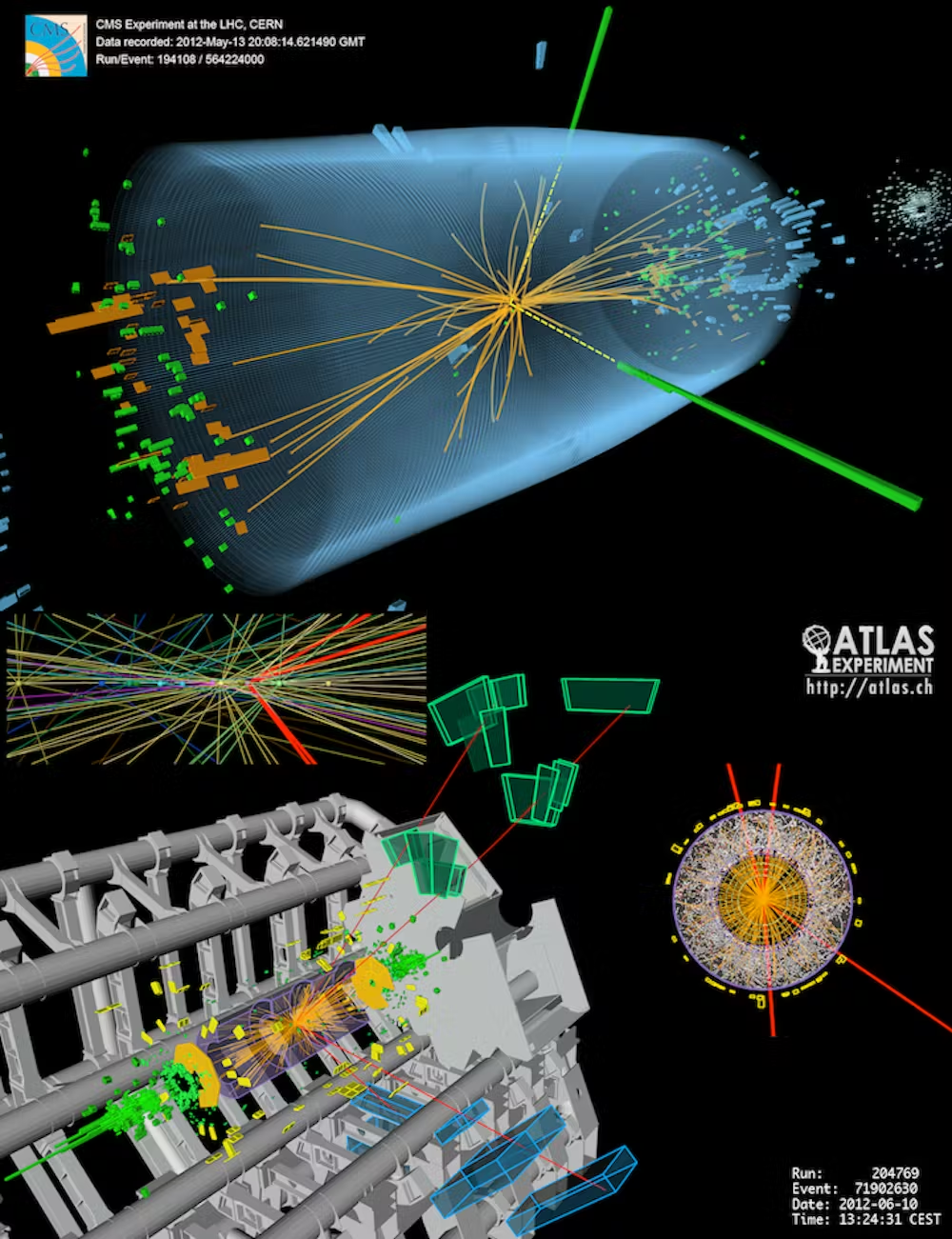
Antimatter traps at CERN, holding antihydrogen atoms suspended in magnetic fields.
Skepticism and Internet Folklore
Before the LHC turned on, some theorists argued it could swallow the Earth or create micro-black holes. Spoiler: it can’t. Cosmic rays beat it at smashing stuff billions of times a day, and Earth survived. Yet, fear sells better than reality, so the myth of “CERN as apocalypse machine” stuck.
Then there’s the conspiracy buffet: portals to other dimensions, timeline shenanigans, occult rituals. A viral prank didn’t help. Humans are pattern-seeking animals, and nothing stirs patterns faster than a 27 km underground collider. Curious minds might explore it; skeptics snicker; reality mostly continues on its coy path to truth.
CERN: saving the universe from itself while possibly inventing black holes, portals, and Mandela Effects. #Conspiracy #Neurodope #ScienceMyths share this
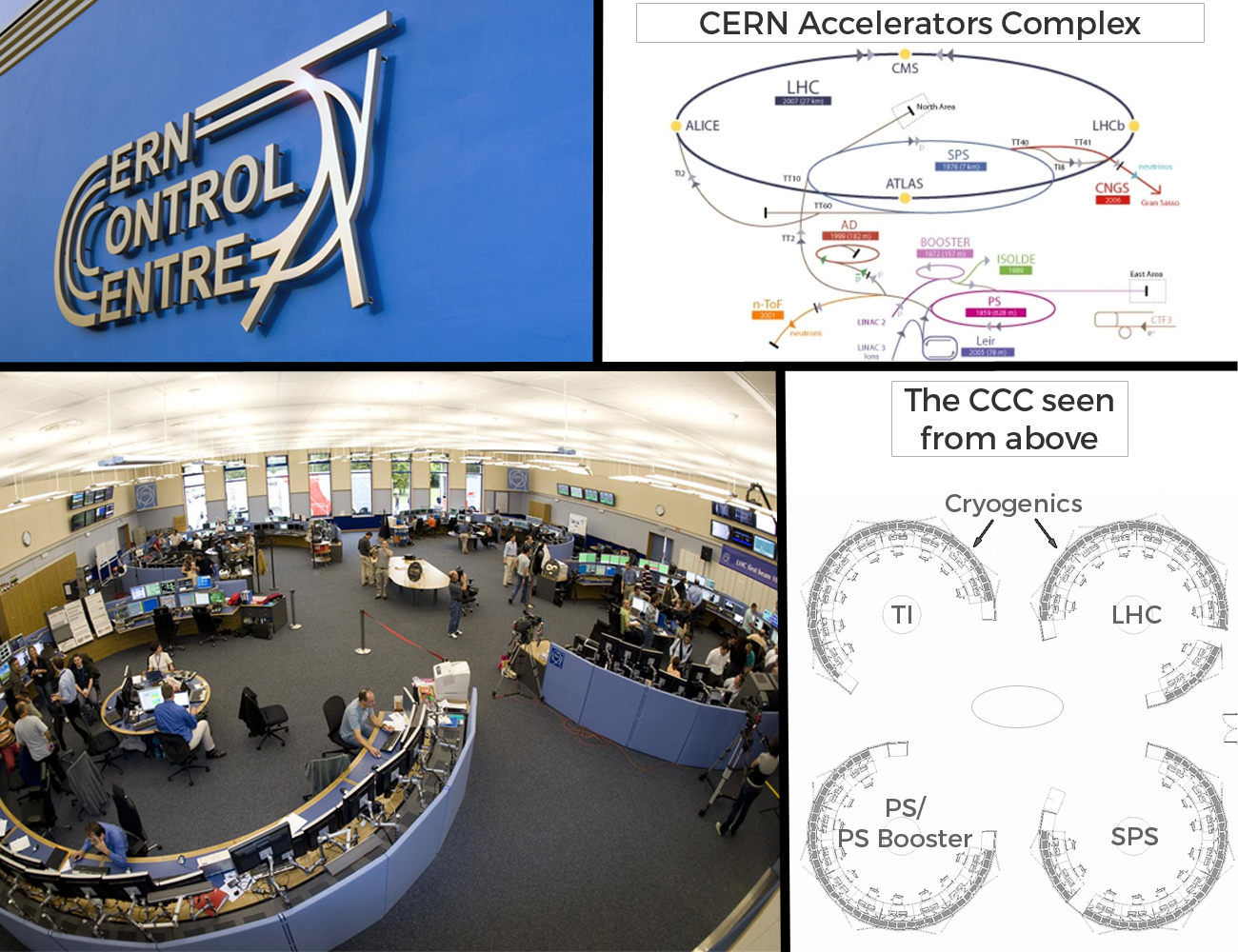
CERN’s Control Room, the nerve center of particle collisions.
Why CERN Might Really Matter
CERN is not just smashing things for fun. It fuels technology, collaboration, and curiosity. Tim Berners-Lee invented the Web here, proving particle physicists are also accidental architects of civilization’s nervous system. High-luminosity upgrades and new experiments promise more data, more questions, and more cosmic teasing.
It’s a lab, a legend, a magnet for curiosity and myth alike. CERN asks the universe questions others wouldn’t dare, then posts the answers for anyone to read. Science as theater, with photons, quarks, and occasionally internet hysteria in the spotlight.
CERN: where particle physics meets the internet urban myth machine. #Physics #Innovation #Neurodope share this
Could There Be Truth in the Myths?
CERN’s experiments operate at energy scales and realities most of us can barely imagine, smashing particles into states that existed only a fraction of a second after the Big Bang. It’s easy to dismiss stories of portals, timeline shifts, or Mandela Effects as internet fodder — yet from a purely curious perspective, we can ask: what if reality is more fragile than we think? What if experiments probing extra dimensions, antimatter, and cosmic forces occasionally nudge the edges of perception?
The LHC might not literally open a door to a parallel universe, but it interrogates the structure of spacetime in ways that are still poorly understood. Humans sense and mythologize patterns in places where technology operates beyond comprehension. And the Mandela Effect — discrepancies in collective memory — could be our minds trying to process shifts in reality we don’t yet have the language to describe.
In short, these urban legends are not just entertainment; they are cultural mirrors of a profound scientific frontier, reflections of the unknown unknowns CERN probes every day. Science and myth are not always enemies — sometimes, myth is humanity’s way of whispering, “pay attention, something strange is happening.”
Research links:

Exploring the known and the unknown with a beat writer’s eye for truth. -Chip Von Gunten
A quick overview of the topics covered in this article.
Latest articles

“In a time of deceit telling the truth is a revolutionary act.” – George Orwell
"In a time of deceit telling the truth is a revolutionary act." - George Orwell

“A problem cannot be solved by the same consciousness that created it.” – Albert Einstein
“A problem cannot be solved by the same consciousness that created it.” - Albert Einstein

“All truth passes through three stages. First, it is ridiculed. Second, it is violently opposed. Third, it is accepted as being self-evident.” – Arthur Schopenhauer
"All truth passes through three stages. First, it is ridiculed. Second, it is violently opposed. Third, it is accepted as being self-evident." - [read more...]